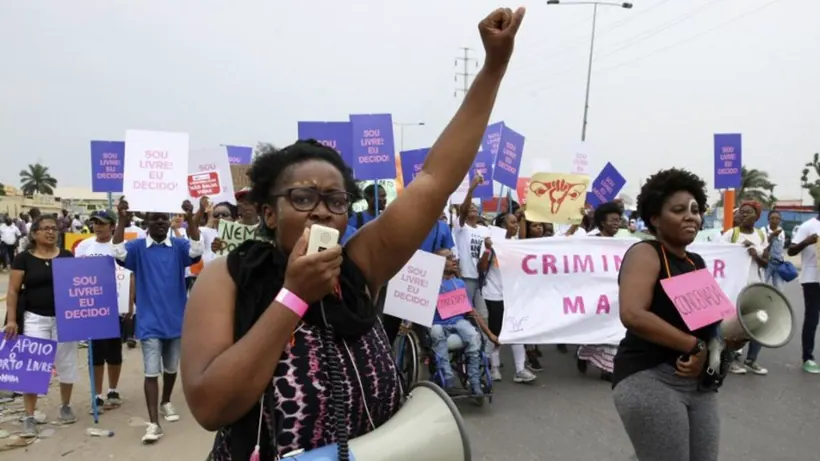
On September 28, 2026, several civil society organizations, including Equality Now, released a joint statement calling for an end to restrictive abortion laws in Africa. The statement was made in commemoration of the International Day for Safe Abortion. The organizations emphasized that safe abortion is an essential healthcare service. They highlighted the pioneering role of the Maputo Protocol, adopted by the African Union in 2003. This protocol is the first and only binding international human rights treaty that explicitly guarantees access to medical and safe abortion in specific situations.
The Maputo Protocol, which has been adopted by 46 of the 55 African states, is yet to be ratified by nine countries. This leaves over 150 million women and girls without protection. The signatories of the statement pointed out that Africa accounts for 70% of global maternal deaths. They attributed this problem to persistent gaps in access to sexual and reproductive rights. The Guttmacher Institute estimates that three-quarters of abortions in the region are performed in unsafe conditions.
The organizations issuing the statement called on governments to ensure that abortion is safe, legal, and easily accessible. They argued that when abortion is safe, legal, and accessible, maternal mortality decreases. Conversely, when it is limited, stigmatized, or criminalized, it puts women's lives at risk. They specifically requested that countries such as Mauritius, Kenya, the Sahrawi Arab Democratic Republic, and Uganda lift their reservations to Article 14 of the protocol.
The statement also emphasized that safe abortion is essential for saving lives and is a matter of public health, human rights, and justice. The organizations stressed that the protocol's provisions can help reduce maternal mortality and morbidity. They urged governments to take concrete steps to implement the protocol's provisions and ensure that women and girls have access to safe and legal abortion services.
According to the organizations, the restrictive laws and policies on abortion in Africa have severe consequences for women's health. They pointed out that women who are forced to undergo unsafe abortions often suffer from serious health complications, including death. The organizations argued that by ensuring access to safe and legal abortion, governments can help prevent these unnecessary deaths and complications.
The call by the organizations for an end to restrictive abortion laws in Africa comes at a time when the issue is becoming increasingly prominent on the continent. Several countries have recently taken steps to liberalize their abortion laws. The organizations hope that their statement will help build momentum for further reforms and ensure that women and girls have access to safe and legal abortion services.
The organizations that issued the statement, including Equality Now, are continuing to advocate for women's rights and health in Africa. They are working with governments, civil society, and other stakeholders to promote the implementation of the Maputo Protocol and ensure that women and girls have access to safe and legal abortion services.
Key points
- The Maputo Protocol, adopted in 2003, is the first and only binding international human rights treaty that guarantees access to medical and safe abortion in specific situations.
- Nine African countries have not ratified the Maputo Protocol, leaving over 150 million women and girls without protection.
- The organizations are calling on governments to lift their reservations to Article 14 of the protocol and ensure that abortion is safe, legal, and easily accessible.