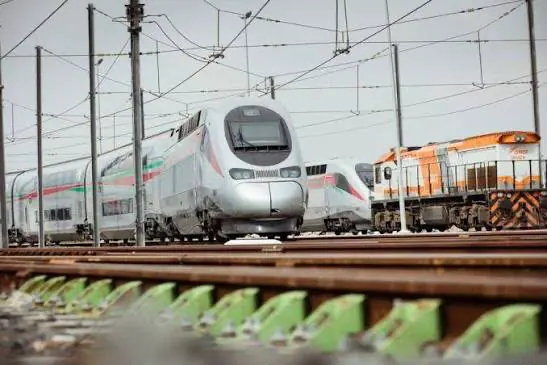
Morocco's King Mohammed VI launched the Casablanca 2030 rail project in September 2025, a major part of the country's 2030 transportation plan. The project, valued at 20 billion dirhams ($2 billion), aims to improve rail services in the Casablanca metropolitan area. One year after its launch, the project has entered a new phase, with several works reaching advanced stages of completion. The project is part of a larger national rail development plan worth 96 billion dirhams.
The project includes the construction of three new-generation stations, 10 new commuter train stations, and the renovation of five existing stations. Additionally, 260km of new rail lines will be built, along with 50 new technical facilities, two technical centers, and five maintenance centers. The project also involves the acquisition of 48 new trains for commuter and regional services. Key stations being built include Casablanca-South, Mohammed V Airport, and the Ben Slimane stadium.
The Casablanca-South station will be a major rail hub, with six platforms and 10 tracks for high-speed, classic, and commuter trains. The station will be connected to various transportation modes, including trams, buses, and taxis. The Mohammed V Airport station aims to strengthen the link between the airport and other areas of the Casablanca metropolitan area. The Ben Slimane stadium station will serve the new stadium and surrounding urban areas.
The project also includes the construction of 10 new commuter train stations in various areas of Casablanca. These stations will improve access to rail services for residents and workers. The stations include El Mohammadia, Zanat, Sidi Bernoussi, Ain Seba, Hay Mohammadi, Mers Sultan, Casablanca Wazis, Sidi Maârouf, and Nouasseur.
The project's goal is to create a more integrated rail network in the Casablanca metropolitan area, improving connections between the city center, suburbs, and airport. The project is expected to have a significant impact on the region's transportation system and economic development. Once completed, the project will provide better rail services to residents and commuters.
The project's progress is being closely monitored, with several works nearing completion. The project's success will depend on the timely completion of the remaining works and the integration of the new rail lines and stations into the existing transportation network. The project's impact on the region's economy and transportation system is expected to be significant.
The Casablanca 2030 rail project is a major part of Morocco's efforts to improve its transportation infrastructure and promote economic development. The project's completion is expected to have a positive impact on the region's residents, workers, and economy. The project's success will also serve as a model for future transportation projects in Morocco.
Key points
- The project includes the construction of 260km of new rail lines and 50 new technical facilities.
- The project aims to improve connections between the city center, suburbs, and airport.
- The project's budget is 20 billion dirhams ($2 billion).