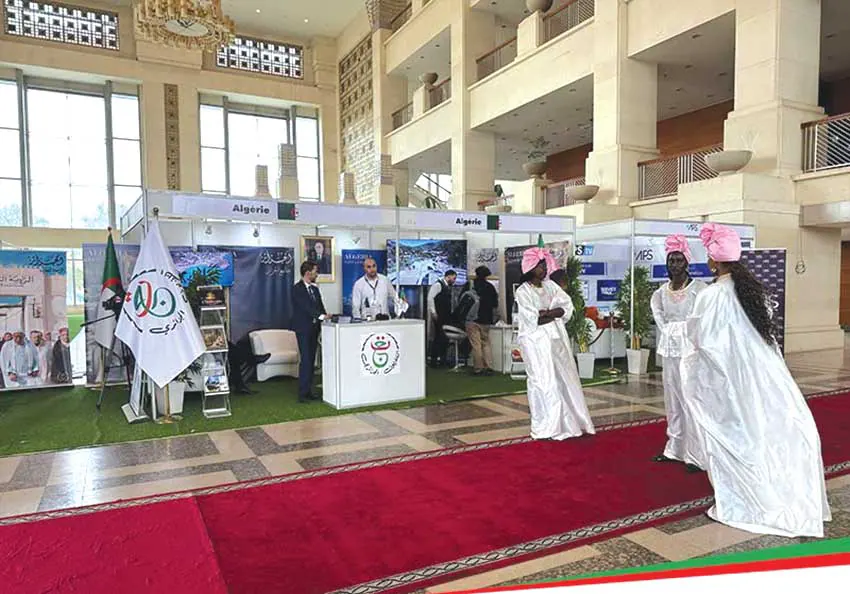
The Algerian delegation to the International Salon of African Media in Dakar, Senegal, highlighted the importance of Africans writing their own narrative. The delegation, led by Salah Saidou, Assistant Director General of Algerian Television, participated in various discussions and workshops. They emphasized the need for Africans to take control of their own media narrative, free from external influences. This would enable them to showcase their rich history, diverse cultures, and achievements.
The workshop discussed several challenges facing African media, including the dominance of Western media and the lack of African perspectives. Participants argued that Western media often portray Africa in a negative light, focusing on poverty, conflict, and underdevelopment. This perpetuates a skewed image of the continent, neglecting its beauty, creativity, and progress. The discussions also touched on the importance of protecting African creative industries and ensuring their economic sustainability.
Dr. Ahmed Ben Saada, a media analyst and expert, represented Algerian Television at the workshop. He described the Western media's approach to African issues as having a colonial mindset. Ben Saada emphasized that Africans must write their own narrative to present a more accurate and realistic image of the continent. This, he believes, is crucial for promoting social cohesion, stability, and development in African countries.
The Algerian delegation's participation in the salon was notable, with a focus on shaping an African narrative written by Africans. The discussions highlighted the need for African intellectuals, artists, and citizens to take ownership of their narrative. This would enable them to express their identity, culture, and collective imagination freely. The role of artificial intelligence in shaping various aspects of life was also discussed.
Participants stressed the importance of empowering African writers, creators, and citizens to shape their own narrative. This would allow them to showcase their achievements, cultures, and histories in a more authentic way. The discussions also emphasized the need for African media to overcome the challenges of limited resources and infrastructure.
The International Salon of African Media provided a platform for African media professionals to discuss their challenges and opportunities. The Algerian delegation's participation contributed to the discussions, highlighting the need for African perspectives and voices. The salon aimed to promote African media and support the development of a vibrant and diverse media landscape.
The African narrative should reflect the continent's diversity, richness, and complexity. Africans must take control of their own narrative to ensure that their voices are heard and their stories are told. This would promote a more accurate understanding of Africa and its people, both within and outside the continent.
Key points
- Africans must write their own narrative to present a more accurate image of the continent.
- Western media often portray Africa in a negative light, perpetuating a skewed image.
- Empowering African writers and creators is crucial for shaping a vibrant and diverse media landscape.