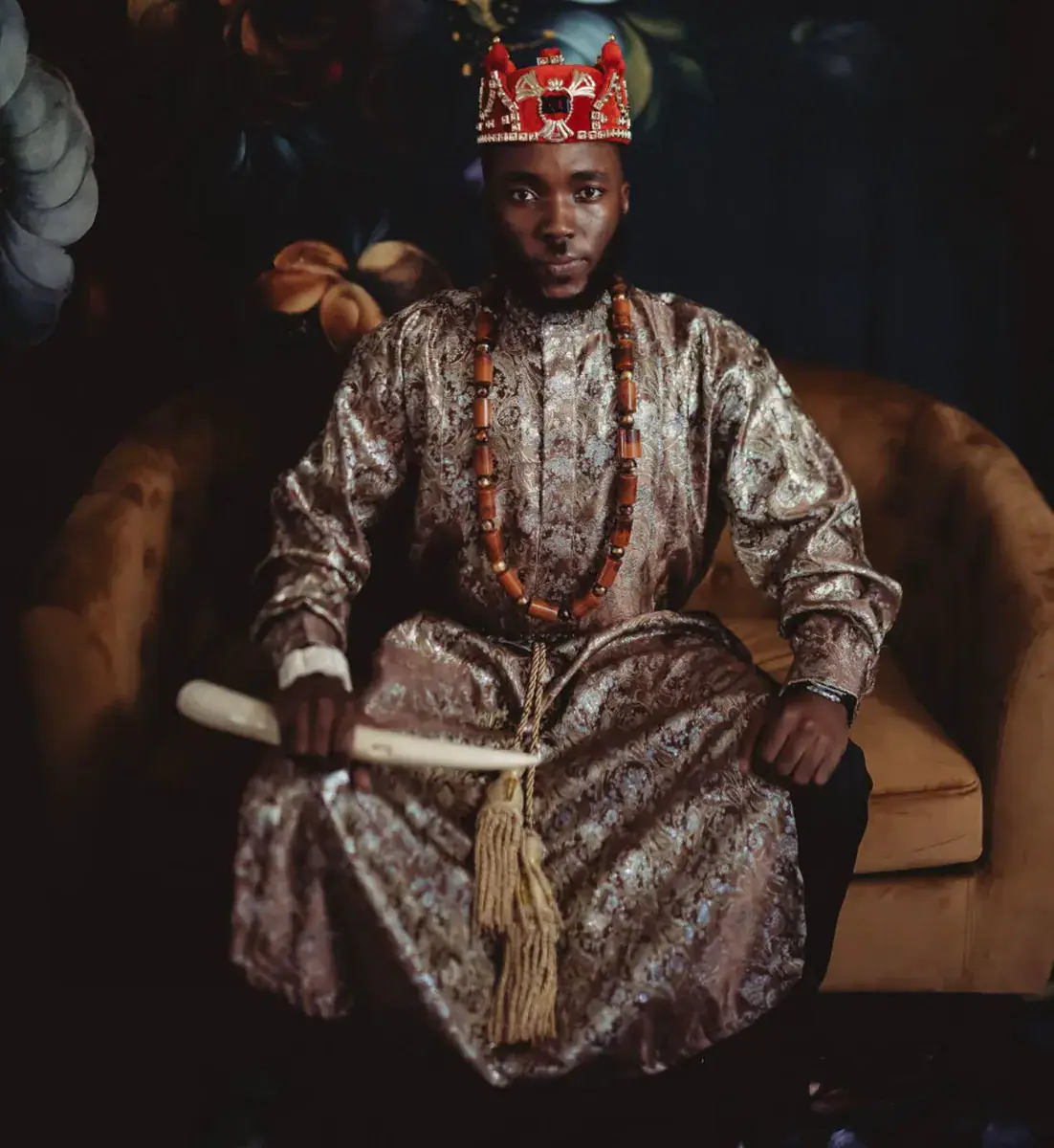
A prominent African monarch, HRH Amb. Ossai Ifeanyi, has urged fellow traditional rulers to be courageous and lead their people effectively in the face of rapid change. In an article, he emphasized that the traditional stool was never meant for the timid and that rulers must be prepared to serve their people and make difficult decisions. He noted that many monarchs and traditional custodians across the continent will not be able to attend a meeting with the Supreme Council to discuss key issues such as superintelligence and the future of work.
The monarch, who is the 91st in his line, has nearly three thousand years of experience in governance and has seen empires rise and fall. He emphasized that traditional rulers have a responsibility to serve their people not just in life but also in death, as they are invoked by their people for wisdom, protection, and blessing across the veil. He argued that a ruler who only focuses on avoiding controversy until sunset has misunderstood authority and that the stool does not belong to the man who sits on it, but rather to the living and the unborn.
The monarch used the metaphor of a rabbit and an okra tree to illustrate the importance of balancing short-term needs with long-term possibilities. He argued that a ruler cannot prioritize short-term gains at the expense of the future, nor can they ignore the needs of the present while promising a better tomorrow. He emphasized that a ruler must hold two duties in the same hand: providing bread and security for the living, and vast, unhindered possibility for the unborn.
The monarch also criticized the traditional African proverb that an okra tree never grows taller than the man who planted it. He argued that this kind of thinking is a curse disguised as wisdom and has held back the continent's progress. He noted that when biological children of genius arose within traditional compounds, their curiosity was often treated as insolence, and that this has contributed to the continent's lingering in material darkness.
The monarch's comments have sparked a renewed debate about the role of traditional rulers in modern Africa. Some have praised his call for courageous leadership, while others have expressed concerns about the challenges of balancing traditional practices with modern realities. The monarch's article has been widely read and discussed across the continent, with many calling for a re-examination of the role of traditional leaders in addressing the complex challenges facing Africa.
The monarch is set to return to his home country soon, where he will sit with the Supreme Council to discuss key issues affecting the continent. He will also engage with other stakeholders to promote his vision of courageous leadership and effective governance. His article has been seen as a call to action for traditional rulers and leaders across the continent to be proactive in addressing the challenges facing their people.
The monarch's message has resonated with many Africans who are looking for bold and effective leadership. His emphasis on the importance of serving the people and making difficult decisions has been particularly well-received. As the continent continues to face complex challenges, the monarch's call for courageous leadership is likely to remain a topic of discussion and debate.
Key points
- The monarch emphasized that traditional rulers have a responsibility to serve their people not just in life but also in death.
- He criticized the traditional African proverb that an okra tree never grows taller than the man who planted it, arguing that it has held back the continent's progress.
- The monarch's article has sparked a renewed debate about the role of traditional rulers in modern Africa.