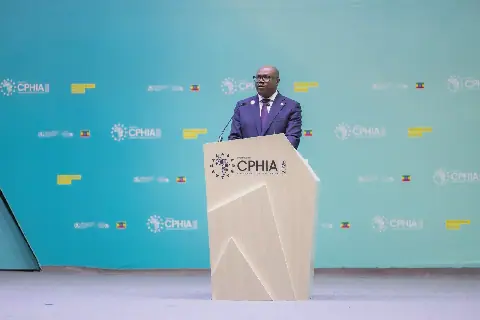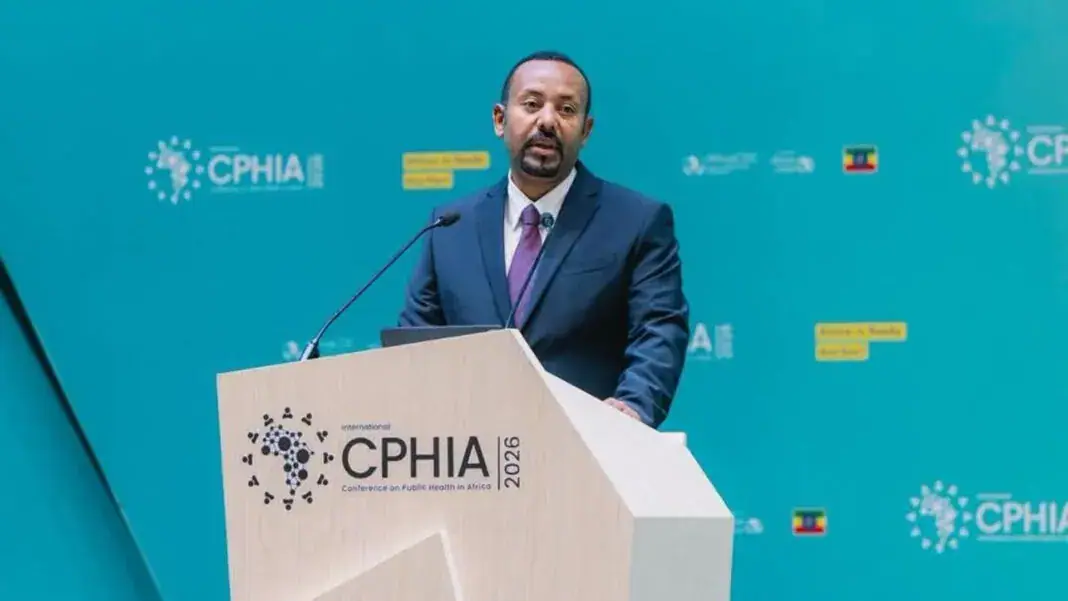
The 5th International Conference on Public Health in Africa (CPHIA 2026) opened in Addis Ababa on November 23, bringing together heads of state, health ministers, scientists, and public health experts. Ethiopian Prime Minister Abiy Ahmed emphasized that Africa's health security and sovereignty depend on building reliable health systems capable of providing essential services during normal circumstances and public health emergencies.
Prime Minister Abiy highlighted Ethiopia's health extension programme, which has brought essential healthcare services closer to households through tens of thousands of health workers, mostly women. He also pointed to the expansion of health insurance, investments in laboratories, and efforts to strengthen domestic pharmaceutical manufacturing as crucial components of Ethiopia's health sector development.
Abiy proposed three priorities for strengthening Africa's health systems: establishing centres of medical excellence, promoting joint procurement of medicines and medical products, and ensuring accountability for implementing health sector commitments. He stressed that progress should be measured by improvements in healthcare services experienced by citizens.
African Union Chairperson Mahamoud Ali Yousouf called for greater investment in African research institutions, universities, and laboratories to strengthen the continent's capacity to develop vaccines, medicines, and medical technologies. He emphasized that the COVID-19 pandemic exposed the risks of relying heavily on imported vaccines, medicines, and medical equipment.
Africa CDC Director-General Dr Jean Kaseya said the continent is entering a new era of self-reliance in its health sector, citing improvements in the institution's performance and response to disease outbreaks. He highlighted the institution's role in supporting responses to Ebola outbreaks in Uganda and Tanzania.
The conference, themed "Africa's Health Security and Sovereignty," will discuss strategies for strengthening health systems, improving domestic financing, expanding local production, and enhancing preparedness for future public health emergencies. Participants include Burundian President Evaristo Ndayishimiye, Ugandan Vice President Jessica Alupo, and health ministers and senior government officials from several African countries.
The gathering aims to provide a platform for African governments and health sector stakeholders to share experiences and develop solutions to health challenges. The conference will also focus on the potential of artificial intelligence and digital technologies to improve healthcare delivery, particularly in areas where access to medical specialists remains limited.
Key points
- Establishing centres of medical excellence is crucial for strengthening Africa's health systems.
- Promoting joint procurement of medicines and medical products can help reduce the continent's dependence on external funding and imported medical supplies.
- Ensuring accountability for implementing health sector commitments is essential for measuring progress in healthcare services.
Reporting sources
- Africa Leaders Call for Health Self-Reliance, Increased Domestic Investment · Capital Ethiopia