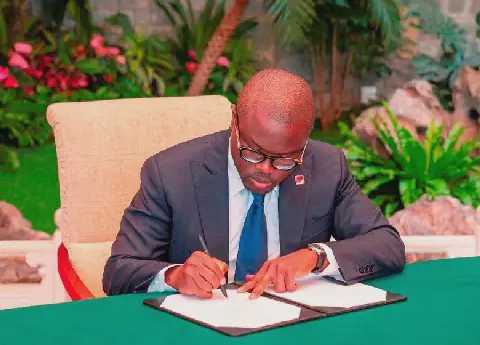
Ethiopian Prime Minister Abiy Ahmed and Kenya's Deputy President Kithure Kindiki have called for African countries to pursue interest-driven diplomacy. They argue that a rapidly changing global order leaves little room for permanent alliances. This approach can help Africa avoid being exploited by world powers. The leaders made these remarks at the 12th Tana High-Level Forum on Security in Africa in Ethiopia's Bahr Dar city. The forum discussed Africa's sovereignty and its impact on local governance and stability.
Abiy Ahmed emphasized the need for African countries to develop "homegrown solutions" to strengthen economic sovereignty. He argued that decisions made outside Africa's borders can affect its citizens, economic prospects, and security. African countries must build resilience to mitigate these effects. Abiy's comments reflect his government's efforts to promote African solutions to African problems. He also highlighted the importance of deepening cooperation among African nations.
Kithure Kindiki took a more direct approach, advocating for "eclectic diplomacy" on a case-by-case basis. He argued that African leaders must treat dealings with external partners as business transactions. This approach would allow African countries to engage with multiple partners without committing to any one partner long-term. Kindiki's comments reflect Kenya's diplomatic approach under President William Ruto. Ruto has cultivated ties with middle powers like the United Arab Emirates and negotiated funding for major infrastructure projects with China.
The Tana Forum also discussed the challenges African countries face in asserting their sovereignty. Experts noted that external interference often contributes to conflicts and instability. A report by the forum found that contemporary African conflicts are shaped by local grievances, weak governance, and external geopolitical competition. The report emphasized the need for African countries to mobilize domestic and regional resources on terms set by locals.
Abiy Ahmed and Kithure Kindiki's call for self-interest driven diplomacy reflects a broader shift in African foreign policy. African countries are seeking to assert their sovereignty and reduce dependence on external partners. This approach requires African leaders to engage in hard, face-to-face negotiations and be shameless about raising resources. Kindiki argued that African countries must learn to play for keeps even in chaotic situations.
The forum also highlighted the importance of peace and stability in achieving African sovereignty. Abiy Ahmed emphasized that lasting peace requires protecting civilians, upholding constitutional order, and keeping the door open to dialogue. Ethiopia is currently struggling to build synergy with its northern neighbor, Eritrea, due to ongoing tensions. The Tana Forum agreed that Africa's sovereignty is insufficient as long as countries beg, borrow, or have no control over their affairs.
The African leaders' push for self-interest driven diplomacy is a response to the changing global order. The continent must navigate a multipolar world with transactional arrangements. African countries must be willing to engage with multiple partners and negotiate on their own terms. This approach requires a high degree of diplomatic skill and a willingness to prioritize African interests.
Key points
- African leaders are advocating for pragmatic, interest-driven diplomacy to assert their sovereignty.
- Ethiopia and Kenya are leading the push for self-interest driven diplomacy in Africa.
- The Tana Forum highlighted the need for African countries to mobilize domestic and regional resources on terms set by locals.