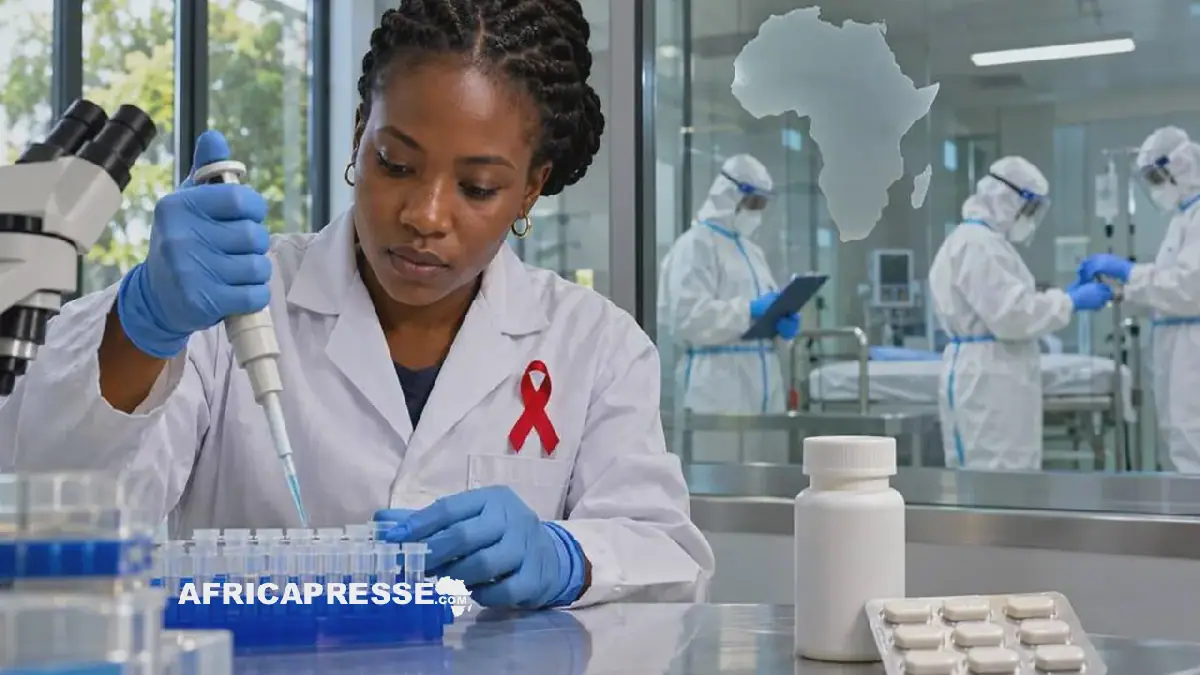
The African continent is facing significant health challenges with the ongoing Ebola and HIV epidemics, highlighting the need for increased investment in health sovereignty. With international aid dwindling, African countries must take responsibility for financing their own health initiatives. The epidemics have exposed the vulnerability of relying on unpredictable international assistance, which can lead to weakened prevention capabilities, delayed diagnoses, and disrupted care.
The situation is particularly dire in the Democratic Republic of Congo, where the Ebola outbreak has resulted in nearly 10,700 confirmed cases and 5,198 deaths, with a fatality rate of 48.7% as of November 3. The country's ability to detect and respond to the outbreak is hindered by limited access to healthcare and insecurity in affected territories. Similarly, the HIV epidemic requires sustained efforts, from prevention to treatment and support for those living with the virus.
The reduction in international aid has significant implications for health initiatives in Africa. The Joint United Nations Programme on HIV/AIDS (UNAIDS) has undergone a significant restructuring, reducing its workforce by 55% and consolidating its presence in fewer countries. This has raised concerns about the capacity for coordination, expertise, and support for affected countries. Governments must now take a closer look at their national priorities and allocate sufficient resources to address these health challenges.
Despite commitments to allocate at least 15% of public expenditure to health, African countries have only managed an average of 7.1% in 2022, according to the World Health Organization. The gap between commitments and actual spending is substantial, and it is essential that governments prioritize health funding to address the ongoing epidemics. By 2030, domestic financing for health will be crucial in responding to epidemics and consolidating efforts against HIV.
To achieve health sovereignty, African countries must develop scientific and industrial capacities, including strengthening laboratories, supporting research, and securing medical supplies. Regional cooperation, local production, and pooled procurement can help reduce vulnerabilities. Governments, associations, and community actors must work together to ensure that national financing is effective and sustainable.
Increasing domestic financing for health must not shift the burden to patients. Health sovereignty requires effective access to services, continuity of treatment, and protection of households, as well as efforts to combat stigma. Investments in health can have multiple benefits, such as strengthening laboratory capacity, logistics, and surveillance, which can contribute to both HIV and Ebola responses.
As the international community continues to play a role in supporting health initiatives, African countries must prioritize domestic financing to ensure sustainable and resilient health systems. This will enable them to respond to ongoing epidemics and future health challenges, while protecting populations and maintaining essential health services.
Key points
- African nations must prioritize health funding to combat Ebola and HIV
- International aid for health initiatives in Africa is dwindling
- Health sovereignty requires domestic financing, scientific capacity, and regional cooperation