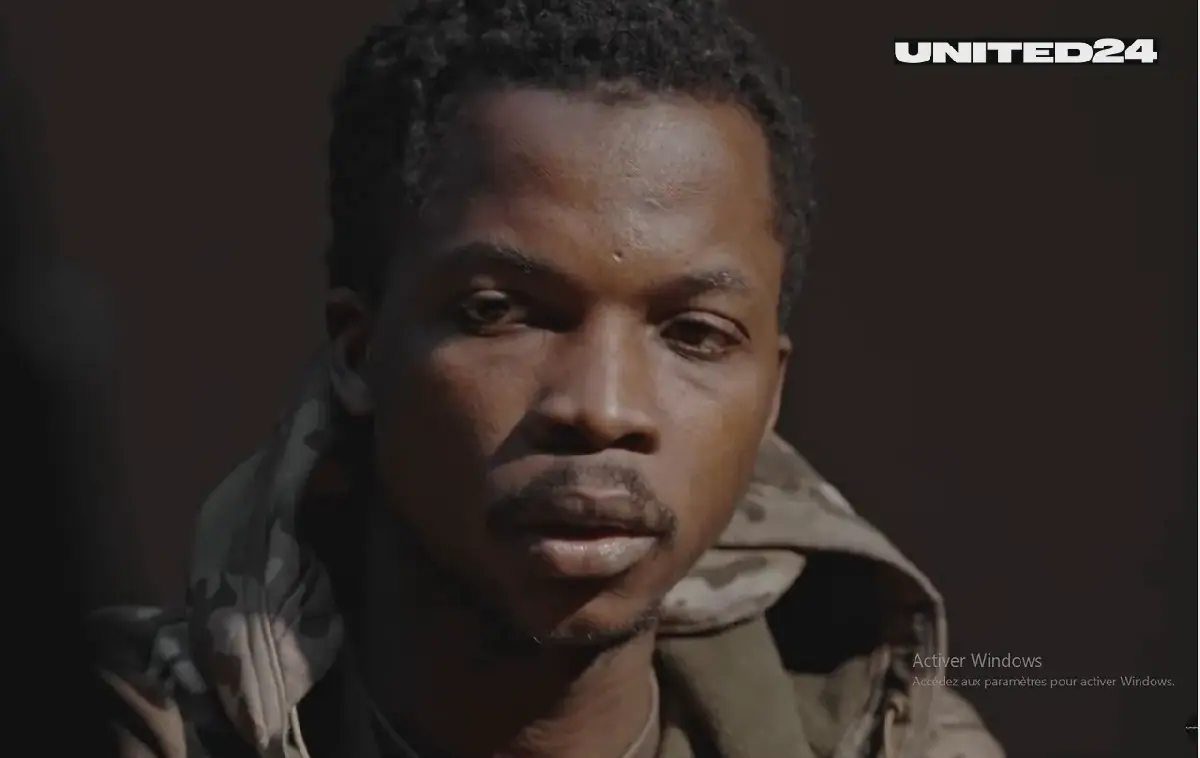
The case of Dosseh Koulekpato, a 27-year-old Togolese man, highlights the growing phenomenon of Africans being recruited by Russian military services under false pretenses. Dosseh had obtained a student visa to study pharmacy at the Saratov State University in Russia, but ended up being sent to the front lines in Ukraine. He was captured in February 2025 and held as a prisoner of war. His story illustrates how some Africans are being deceived into joining the Russian military.
The Togolese government has acknowledged the issue, confirming that several nationals had been captured in Ukraine after fighting in Russian ranks. Most of them, including young students, had left the country on what they thought were scholarships. The government has since initiated diplomatic efforts and warned potential candidates to verify the authenticity of offers. According to a report by the collective All Eyes on Wagner, 18 Togolese had been recruited, with three reported deaths.
The problem extends beyond Togo, with estimates suggesting around 3,000 Africans have joined the Russian military since the start of the conflict in Ukraine. They come from various countries, including Ghana, Kenya, Cameroon, Uganda, Gambia, Zimbabwe, and the Central African Republic. Families have reported the disappearance of loved ones who traveled to Russia for work or study, only to learn later that they had been injured, captured, or killed in Ukraine.
A study by the French Institute of International Relations (Ifri) published on October 27, 2026, documented the experiences of 14 African prisoners of war detained in Ukraine. The study found that most recruits followed a similar sequence of events: receiving a job or training offer, obtaining a visa quickly, and being taken care of upon arrival in Russia. They were then taken to recruitment centers and presented with contracts written in Russian, which many did not understand.
The Ifri study noted that not all Africans who joined the Russian military were victims. Some knew they were joining the army in exchange for a salary, bonus, or citizenship prospects. Others claimed they were misled about the nature of the job, coerced into signing, or faced with the choice between joining the army, prison, or expulsion. This distinction is crucial in understanding the complexities of the issue.
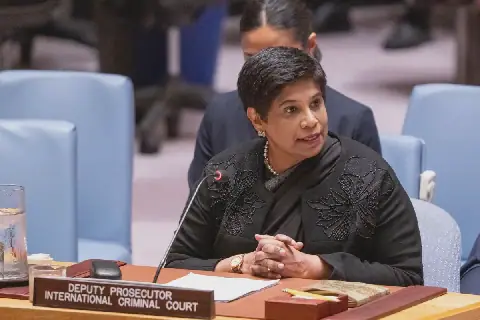
The United Nations has also investigated the matter, with the Independent International Commission of Inquiry on Ukraine presenting a report on October 26, 2026. The report documented cases of men from 29 countries being recruited into Russian armed forces through deception or coercion. The Commission found a high level of coordination between recruiters and Russian authorities, characterizing the practices as human trafficking.
The Russian government has disputed the legitimacy of the Commission's mandate and methods, rejecting accusations of illegal recruitment. While Russian law allows foreign nationals to volunteer for military service, this does not address the documented cases of false job offers, misunderstood contracts, or pressure exerted on recruits. The issue remains a pressing concern for African countries and the international community.
Key points
- Around 3,000 Africans have joined the Russian military since the start of the Ukraine conflict.
- Many recruits were deceived into joining the military with false promises of jobs, training, or citizenship.
- The UN has characterized the recruitment practices as human trafficking, calling for the release of victims still serving in the Russian military.