The Organization of African Consumers (OAC) has written an open letter to national Codex contact points and national Codex Alimentarius committees in African countries, urging them to support a goal of zero added sugar in foods for children aged 6-36 months. This call to action comes ahead of the 45th session of the Codex Committee on Nutrition and Foods for Special Dietary Uses. The OAC, which represents 50 national consumer organizations in 39 African countries, is concerned about the health impacts of added sugars in infant foods.
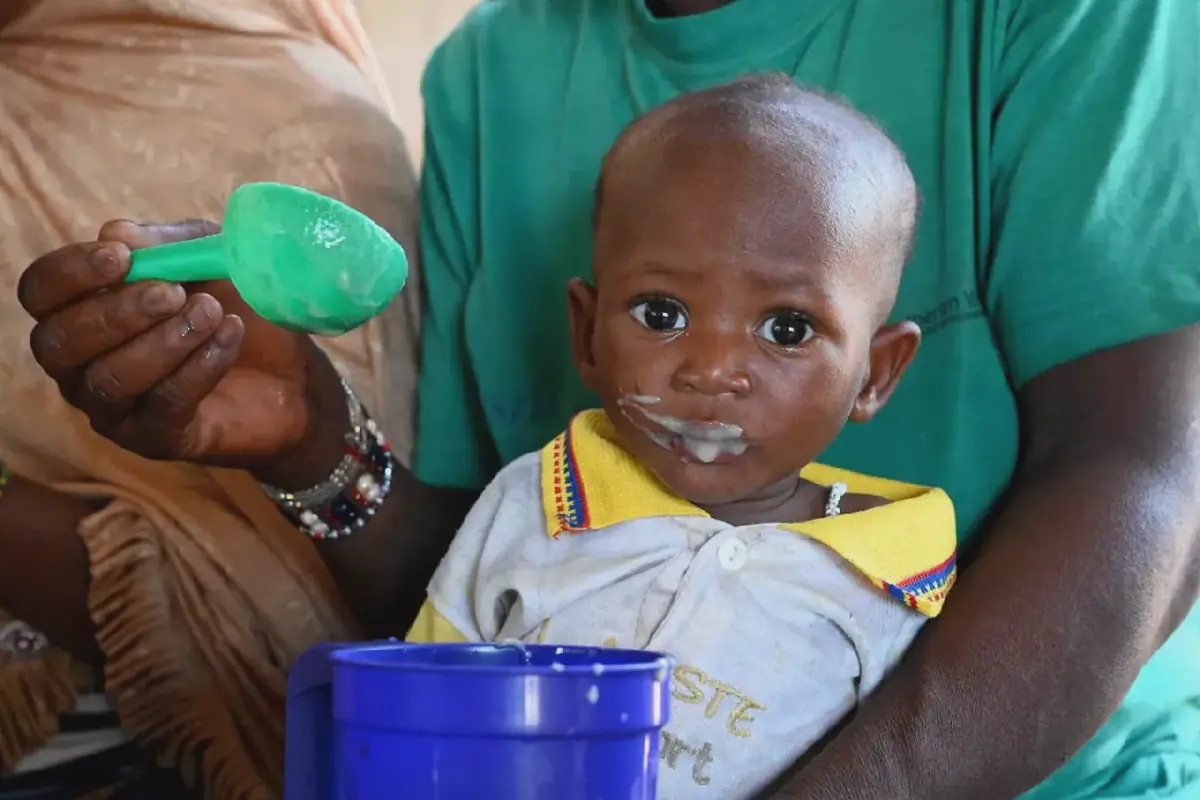
An investigation by the NGO Public Eye found that popular infant cereals, such as Cerelac, contain nearly six grams of added sugar per serving. In contrast, similar products sold in Europe have no added sugar. The OAC has asked Nestle S.A. to remove added sugar from its infant cereals sold in Africa. While Nestle has responded that its products comply with national regulations and the Codex standard, the company now offers versions with and without added sugar.
The current Codex standard for infant cereals allows up to 20% added sugar, equivalent to about 10 grams per serving. The World Health Organization (WHO) has warned for decades that early exposure to sugary tastes can create a lasting preference for sweet foods and is a major risk factor for obesity. Obesity is rising rapidly in Africa, leading to increased rates of diabetes, hypertension, and cardiovascular disease.
The number of African children under five who are overweight has nearly doubled since 1990. Many African countries face a "double burden" of malnutrition, with stunted growth, underweight, and obesity coexisting. The OAC argues that added sugar provides no solution to malnutrition and that iron, zinc, and vitamin enrichment do not require added sugar.
There is growing international consensus in favor of "zero added sugar" in foods for young children. The WHO's European Regional Office recommends excluding added sugars and sweeteners from commercial foods for children aged 6-36 months. The OAC is calling on African countries to support this goal and to revise the Codex standard for infant cereals.
The 45th session of the Codex Committee on Nutrition and Foods for Special Dietary Uses will examine key texts related to this age group, including nutritional reference values for children aged 6-36 months and a draft standard for foods for infants and young children. The OAC is urging African countries to integrate its position on zero added sugar into their national positions and to support a clear provision excluding added sugars in the draft standard.
The OAC's call to action includes five key requests, including integrating its position into national positions, supporting a clear provision excluding added sugars, and contributing to a common African position. The organization also recommends that countries transpose the revised Codex standard into national regulations and require labeling of added sugar content.
Key points
- The Organization of African Consumers (OAC) urges African countries to support a goal of zero added sugar in foods for children aged 6-36 months.
- The current Codex standard for infant cereals allows up to 20% added sugar, equivalent to about 10 grams per serving.
- There is growing international consensus in favor of "zero added sugar" in foods for young children.