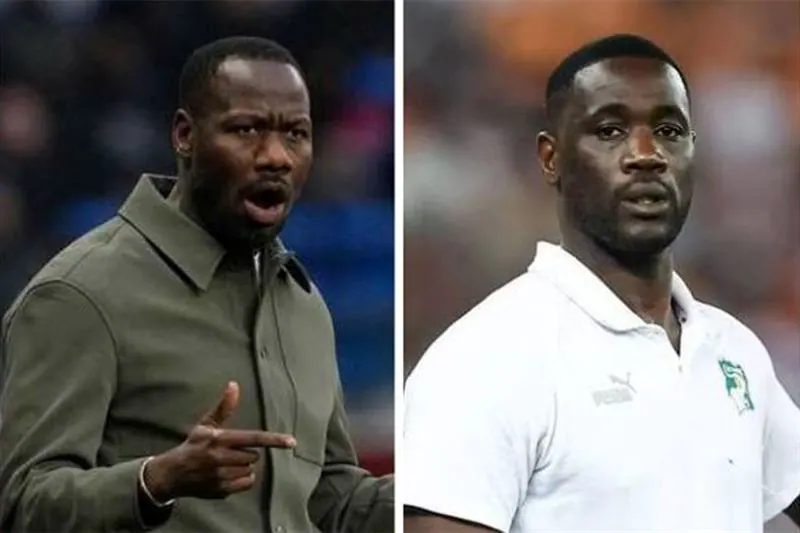
In recent years, African coaches have achieved significant success, winning four consecutive Africa Cup of Nations (CAN) titles. However, despite these accomplishments, some federations are now opting to hire foreign coaches instead of retaining local talent. This shift has raised concerns about the future of African coaches in top positions. Coaches like Djamel Belmadi, Aliou Cissé, Emerse Faé, and Walid Regragui have all achieved notable success, but their positions are now being questioned.
The trend of hiring foreign coaches has led to the replacement of several African coaches. For example, Emerse Faé was replaced by Hervé Renard as the coach of the Ivory Coast national team, while Pape Thiaw was replaced by Patrick Vieira as the coach of the Senegal national team. This change has been attributed to various factors, including the perceived lack of experience and scientific approach of local coaches. Additionally, some federations have expressed concerns about the ability of local coaches to handle high-pressure situations.
According to Kamou Malo, a former coach of the Burkina Faso national team, even with positive results, local coaches often struggle to convince federations of their abilities. The recent performances of Senegal and Ivory Coast, both of which were eliminated in the 16th round of the 2026 World Cup, have been deemed disappointing. This has led to tensions between coaches and federations, with some questioning the capabilities of local coaches.
Abdoulaye Dabo, a Senegalese sports journalist, notes that local coaches often lack experience in high-level competitions and may have limited tactical knowledge. Furthermore, they may struggle to assert authority over teams with star players. These concerns have led some federations to opt for foreign coaches, who are often perceived as having more experience and expertise.
The difference in approach between federations and local coaches has been highlighted by the example of Emerse Faé and Hervé Renard. While Faé led the Ivory Coast to a CAN title, Renard has won two CAN titles and has qualified multiple teams for the World Cup. This has led some to question whether local coaches are given sufficient time and support to achieve success.
Basile Aka Kouamé, a former Ivorian international and coach, notes that federations often do not provide local coaches with the same guarantees as foreign coaches. For example, Pape Thiaw went to the World Cup with Senegal without a contract. This lack of support and resources can make it difficult for local coaches to succeed.
Despite the challenges faced by African coaches, some countries have continued to show faith in local talent. Algeria and South Africa have recently appointed local coaches, while Nigeria has been led by Malian coach Eric Chelle since January 2025. The situation highlights the ongoing debate about the role of local coaches in African football and the need for greater support and resources to help them succeed.
Key points
- Local coaches in Africa are facing challenges in retaining top positions despite recent successes.
- Some federations are opting to hire foreign coaches, citing concerns about experience and scientific approach.
- The situation highlights the need for greater support and resources for local coaches to succeed.