In recent years, African football coaches have achieved significant success, winning four consecutive Africa Cup of Nations (CAN) titles. However, despite these accomplishments, some federations have begun to question their abilities, opting to bring back foreign coaches. This trend is evident in the replacements of Emerse Faé in Côte d'Ivoire with Hervé Renard, Pape Thiaw in Senegal with Patrick Vieira, and Kaba Diawara in Guinea with Paulo Duarte.
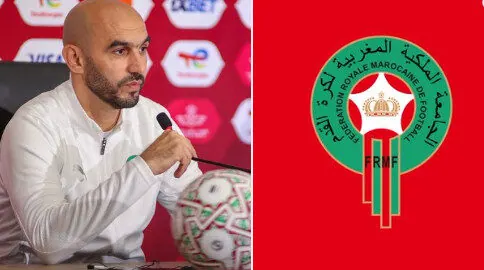
The rise of African coaches was notable, with nearly half of the 24 teams in the 2019 CAN in Egypt being led by African coaches, a record at the time. Coaches like Djamel Belmadi (Algeria, 2019), Aliou Cissé (Senegal, 2022), Emerse Faé (Côte d'Ivoire, 2024), and Walid Regragui (Morocco, 2026) have achieved remarkable success. Regragui also led Morocco to the semi-finals of the 2022 World Cup, a first for an African team.
The decline of influence of foreign coaches, often referred to as "sorciers blancs," has contributed to the rise of African coaches. However, this trend appears to be reversing, with several African teams opting for experienced foreign coaches. Kamou Malo, former coach of Burkina Faso, notes that even with positive results, local coaches often struggle to convince their federations.
One of the main challenges faced by African coaches is the lack of experience and scientific approach required in modern football. Abdoulaye Dabo, a Senegalese sports journalist, highlights the limitations of local coaches, citing a lack of experience, tactical acumen, and authority in the dressing room. The president of the Ivorian federation compared the achievements of Emerse Faé and Hervé Renard, emphasizing the experience of the French coach.
The conditions under which African coaches operate can also hinder their performance. Basile Aka Kouamé, a former Ivorian international and coach, notes that federations often do not provide local coaches with the same guarantees as foreign coaches. For example, Pape Thiaw went to the World Cup with Senegal without a contract.
Not all African nations have succumbed to the trend of hiring foreign coaches. Algeria and South Africa have recently announced the appointment of local coaches to lead their national teams. Nigeria, a three-time CAN winner, has been led by Malian coach Eric Chelle since January 2025.
The future of African coaches in the continent's football remains uncertain. While some federations continue to trust local talent, others prefer the experience and perceived expertise of foreign coaches. The challenges faced by African coaches, including limited resources and support, must be addressed to ensure their continued success.
Key points
- African coaches face challenges in maintaining their positions due to limited resources and support.
- The trend of hiring foreign coaches is reversing, with several African teams opting for experienced expatriates.
- Not all African nations have succumbed to this trend, with some continuing to trust local talent.