African countries have been encouraged to leverage science and technology to protect rangelands, enhance livestock resilience, and preserve pastoralism as a significant source of livelihoods and economic activity. According to Moses Olenesele, a specialist in animal health and livestock production at the Food and Agriculture Organisation (FAO), technology can facilitate early detection of climate and environmental threats, enabling authorities and communities to respond promptly before grazing areas are severely impacted.
The call to action was made during the celebrations of the International Year of Rangelands and Pastoralists 2026 in Longido District, Arusha Region, on Thursday, October 1, 2026. Dr. Olenesele emphasized that technology is crucial in addressing climate change early, from monitoring weather conditions and rainfall patterns to detecting grass and plant diseases and invasive species before they affect the remaining rangelands. This proactive approach can help mitigate the effects of climate change on rangelands.
Dr. Olenesele identified population growth, invasive species, land encroachment, and the expansion of agriculture into dryland areas as significant pressures on rangelands, threatening the foundation of pastoral economies. He stressed that technology can improve rangeland productivity and resilience while protecting ecosystems that support livestock, wildlife, tourism, water resources, and rural communities. This, in turn, can contribute to the overall well-being of the environment and local economies.
The importance of rangelands extends beyond supporting pastoralists, as they also support wildlife and other ecosystems, contributing to tourism and the broader national economy. Dr. Olenesele advocated for stronger collaboration among governments, researchers, environmental and climate experts, pastoral communities, and other stakeholders to improve rangeland management. This collective effort is necessary to protect and enhance rangelands for the benefit of all.
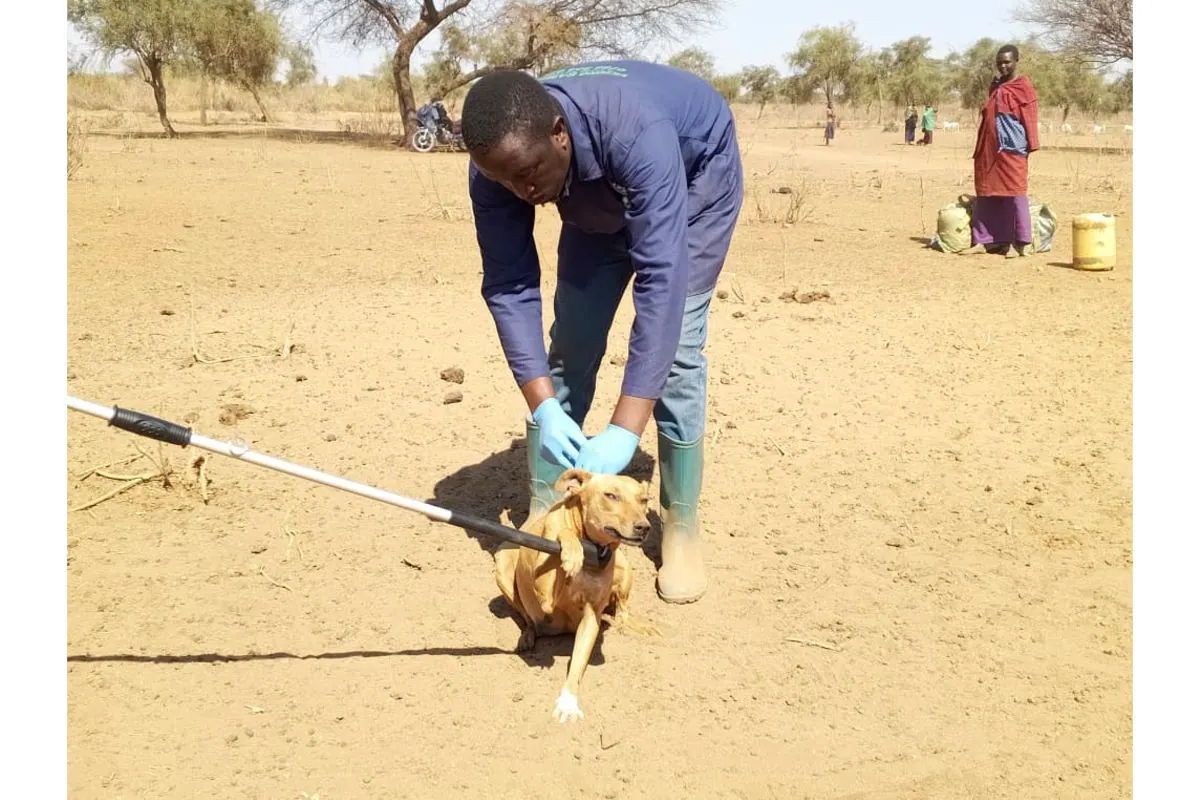
To promote sustainable pastoralism and improve animal health, a livestock vaccination campaign was conducted, targeting goats, sheep, and dogs. The campaign was part of the celebrations, aiming to reduce livestock deaths, disease transmission, and treatment costs, ultimately protecting pastoralists from losses and enhancing the profitability of livestock keeping. This initiative is a step towards achieving sustainable pastoralism.
Malogo Kongola, coordinator of the Pastoralism Livestock Adaptation to Climate Change in Eastern Africa (PLACE) project, highlighted the significance of pastoralism in contributing to food security, environmental management, and economic growth. He emphasized that pastoralists require secure access to grazing areas and water, supported by policies and laws that promote sustainable rangeland management. This support is crucial for the long-term sustainability of pastoralism.
The celebrations also included a campaign to vaccinate 5,000 goats and sheep and 200 dogs against diseases such as peste des petits ruminants (PPR) and rabies. Longido District livestock officer Godwin Shirima stated that the vaccination campaign would help reduce livestock deaths and treatment costs, enabling pastoralists to earn more from their livestock activities. This initiative is expected to have a positive impact on the livelihoods of pastoralists in the region.
Key points
- African countries are being urged to harness science and technology to protect rangelands and strengthen livestock resilience.
- The Food and Agriculture Organisation (FAO) is promoting the use of technology to detect climate and environmental threats early.
- Pastoralism contributes significantly to food security, environmental management, and economic growth in Africa.