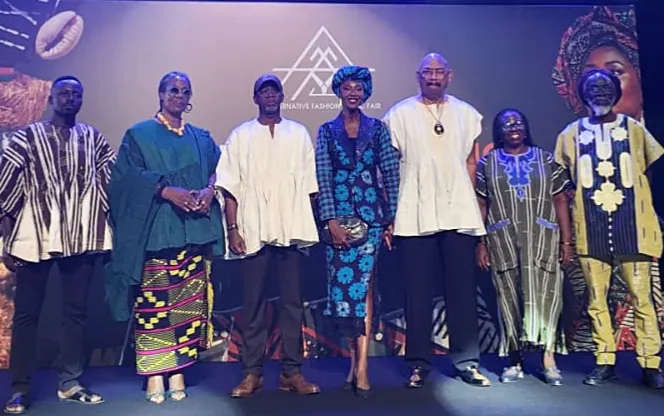
Makeba Nana Boateng, Lead Curator of the Alternative Fashion Fabric Fair and Founder of Fashion Forum Africa, has urged Africans to take greater responsibility for developing, processing, and adding value to the continent's abundant raw materials. Speaking during the launch of the Alternative Fashion Fabric Fair (Alt.FFF) 2026 in Accra, Ghana, on September 19, Boateng emphasized the need for Africa to become more deliberate about using its natural resources and developing industries around them. The event brought together stakeholders within Africa's fashion, textile, and materials ecosystem.
Boateng argued that Africa should not continue to depend heavily on other parts of the world to process African raw materials and return finished products to African markets. Adding value to raw materials within Africa would help strengthen local industries, create employment opportunities, and contribute to the development of a more sustainable fashion and manufacturing ecosystem. Her comments formed part of the broader discussions at Alt.FFF 2026, which sought to connect African producers, manufacturers, artisans, designers, buyers, and other players across the fashion and textile value chain.
The Alternative Fashion Fabric Fair was organized around the theme of placing materials before fashion, highlighting the importance of the resources and processes that form the foundation of the fashion industry. The fair showcased raw, semi-processed, and finished African materials, including kente, indigo, and adire, leather, raw cotton, natural dyes, raffia, cowrie, and shells, among others. The platform also brought together manufacturers, textile producers, artisans, material innovators, ethical producers, and businesses involved in sourcing and processing materials within Africa.
Rex Owusu Marfo, Presidential Aide responsible for the Black Star Experience Office of the President, also spoke at the event, calling on Ghanaians to take greater pride in and promote their culture. He encouraged Ghanaians to support locally produced goods and services by embracing Ghanaian clothing, food, and music. According to him, greater patronage of locally produced products could help create employment opportunities and contribute to the growth of local businesses and the creative economy.
Participants at the Alternative Fashion Fabric Fair shared their experiences, stating that the program provided them with an opportunity to learn more about alternative fashion, locally sourced materials, and the processes involved in transforming raw materials into products for the fashion and creative industries. They also highlighted the importance of supporting African-made products and creating stronger connections between producers, designers, manufacturers, and consumers.
The organizers say Alt.FFF is intended to strengthen Africa's fashion and textile ecosystem by creating opportunities for businesses across the continent to connect with buyers, partners, and markets. The discussions at the fair reflect a wider conversation about how African countries can move beyond the export of raw materials and develop stronger local and regional value chains. For the fashion and textile sector, this includes strengthening the production of fibers, fabrics, dyes, leather, and other materials.
With Africa's fashion industry increasingly connected to global markets, advocates such as Makeba Nana Boateng are calling for greater attention to what happens before the final fashion product reaches consumers — from the sourcing and processing of raw materials to manufacturing, branding, and distribution. The inaugural Alt.FFF brought these issues into focus while encouraging stakeholders to view African materials not simply as raw resources, but as part of a wider value chain capable of supporting businesses, jobs, innovation, and cultural identity.
Key points
- Makeba Nana Boateng calls for Africa to add value to its raw materials locally.
- The Alternative Fashion Fabric Fair aims to strengthen Africa's fashion and textile ecosystem.
- Stakeholders emphasize the importance of supporting African-made products and local industries.