The selection process for the next UN Secretary-General is of great importance to Africa, as the continent seeks to assert its priorities and interests on the global stage. The African Union's Agenda 2063 envisions a peaceful, secure, and economically developed continent that plays a stronger role in global affairs. To achieve this, Africa needs a UN Secretary-General who will support and amplify its voice. The current context is particularly relevant, given the UN's financial constraints, political divisions, and struggles to demonstrate its relevance.
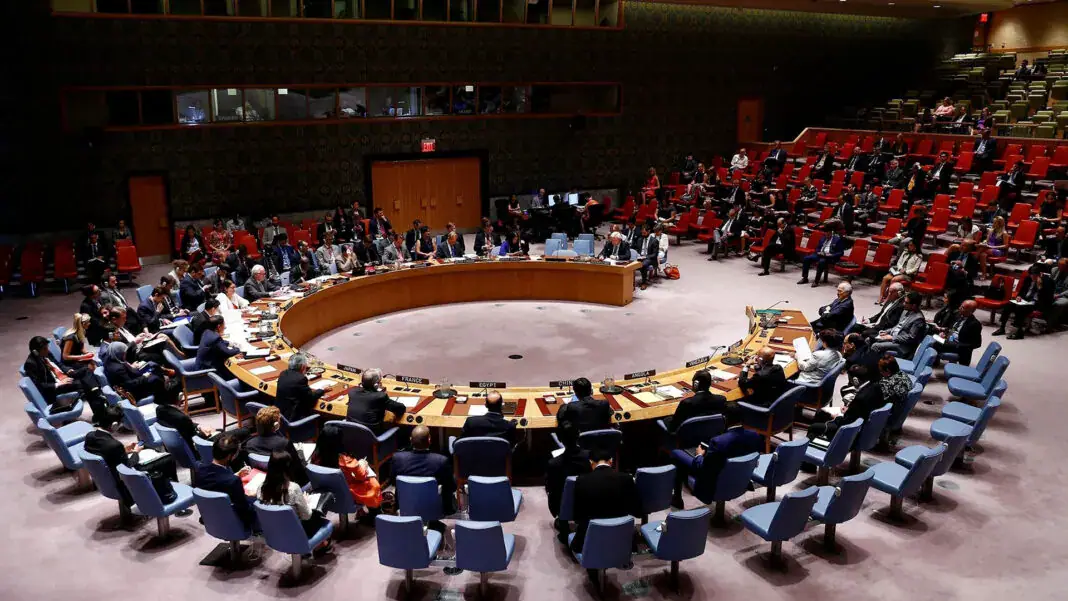
The African Union has maintained a clear position on UN Security Council reform, advocating for Africa's inclusion as permanent members to correct a historical injustice. Ethiopia has consistently supported this stance, pushing for two permanent and five non-permanent African seats in an expanded Council. The next Secretary-General can create political space and use their convening authority to ensure African representation is treated as a matter of UN legitimacy. Lana Nusseibeh, a candidate for the position, has extensive experience representing the United Arab Emirates at the UN and co-chairing negotiations on Security Council reform.
Nusseibeh's candidacy has garnered attention due to her deep understanding of the UN reform debate and her stated commitment to supporting Africa's interests. Her campaign recognises the Common African Position and the need to address Africa's historical underrepresentation. However, Africa's test for the next Secretary-General goes beyond representation; it also involves assessing the relationship between the African Union and the UN. Peace operations offer a critical test case, with African countries and personnel having borne a substantial burden in responding to conflicts on the continent.
Security Council Resolution 2719 provides a framework for AU-led peace support operations to access UN assessed contributions, subject to Council authorisation. Nusseibeh supported this resolution while serving on the Security Council, arguing that it offers an opportunity for deeper partnership between African leadership and the UN's resources and legitimacy. This principle is essential, as Africa's relationship with the UN should not be defined solely by conflict. Instead, the continent seeks a more mature partnership where African institutions help shape international decisions.
Development is another critical area where Africa should demand change from the next Secretary-General. Across the continent, governments are seeking to create decent jobs, mobilise investment, reduce debt burdens, and expand regional trade and infrastructure. Nusseibeh's development programme prioritises results-oriented approaches, with the UN system judged by the tangible outcomes countries can achieve. Her proposals include championing fairer debt solutions, addressing investment risk mispricing, and supporting regional corridors for transport, energy, and trade.
The underlying principle of Nusseibeh's approach is that Africa does not need the UN to set its agenda; rather, it needs the UN to help deliver on the agenda Africans have already set. This approach should be interrogated, along with those of every candidate, to assess what a Secretary-General can genuinely deliver and how African governments can hold the organisation accountable for results. The next Secretary-General will inherit a UN under extraordinary pressure, with Africa having a significant stake in the institutional crisis.
Africa should be ambitious about this selection, expecting the next Secretary-General to support a more representative international system, build a genuinely equal partnership with the African Union, and reform the UN development system around priorities determined in African capitals. The question for Africa is not who promises to speak for it, but who will help build a UN where Africa has the power, partnership, and institutional space to speak and act for itself. Ultimately, the continent seeks a stronger voice in global affairs and a more representative international system.
Key points
- The next UN Secretary-General should support Africa's priorities, as outlined in Agenda 2063, and help deliver on the continent's development agenda.
- Africa seeks a more mature partnership with the UN, where African institutions play a greater role in shaping international decisions.
- The next Secretary-General should champion a more representative international system, including UN Security Council reform and a stronger voice for Africa.
Reporting sources
- Africa should set the terms for the next UN Secretary-General · Capital Ethiopia