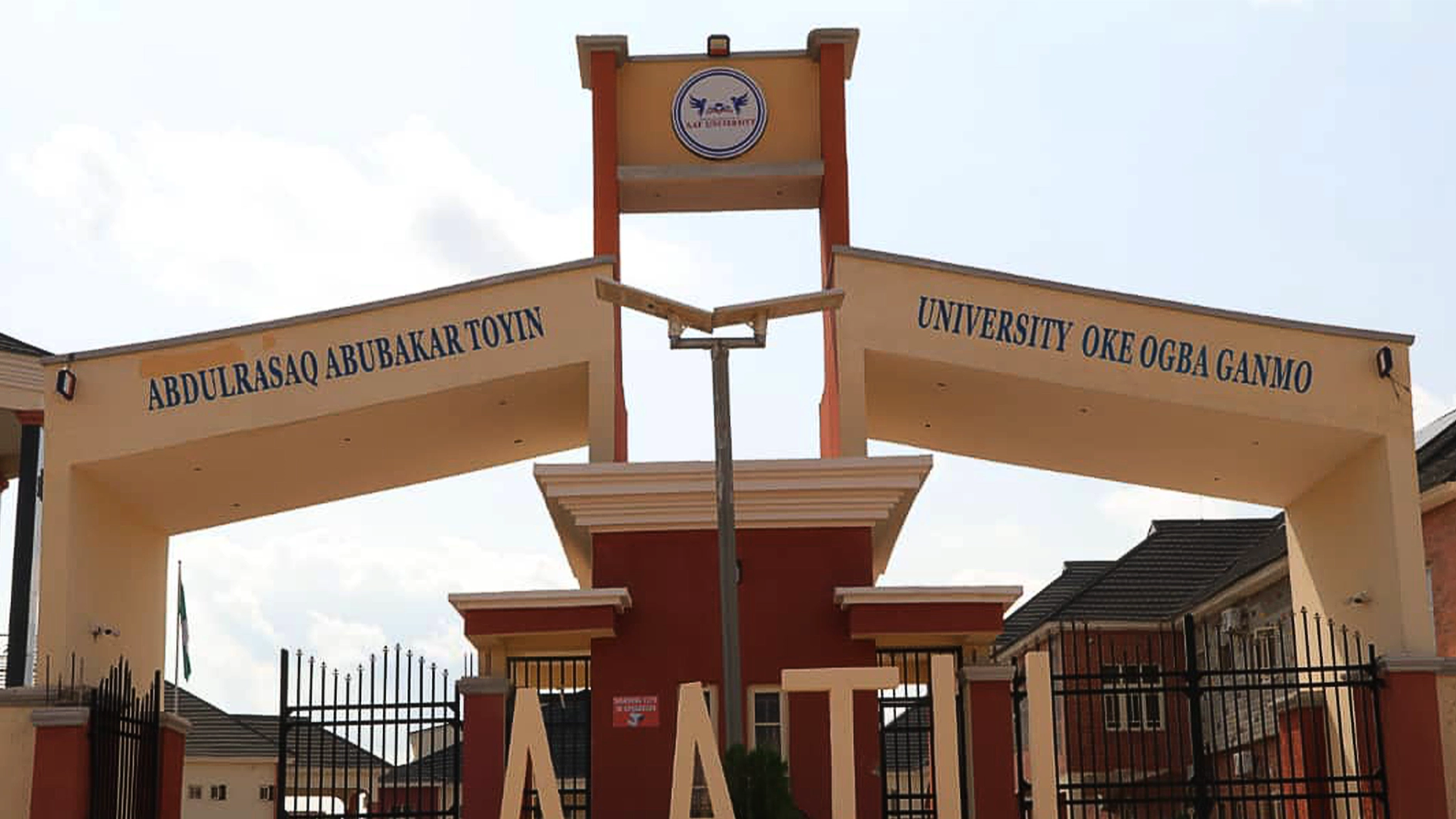
Researchers have expressed concerns over the quality, completion rate, and overall experience of doctoral training in Africa. They made these remarks at the Nigeria In-Country Inception and Design Workshop on the transformation of doctoral practices and procedures in African universities. The workshop was organized by the Partnership for African Social and Governance Research (PASGR) with support from the Carnegie Corporation. The researchers emphasized the need for reforms to make PhD programs more effective and responsive to the continent's manpower needs.
According to Prof. Ayo Ojebode, Project Principal Investigator, Africa has the lowest proportion of people with PhDs globally, with only about 0.3 percent of Africans holding doctoral degrees. In comparison, about two percent of Canadians and over one percent of Americans hold PhDs. Ojebode stated that the project aims to examine the quality of doctoral education and the experience of candidates, not just increase the number of PhD holders.
The project, being conducted in seven African countries, will examine successful practices within Africa that can be identified and replicated. It will also investigate negative experiences associated with doctoral education, including supervision and lengthy periods spent completing programs. Ojebode noted that the project is responding to a manpower gap, with Africa having the lowest PhD per capita across the world.
Prof. Fatai Aremu, Nigeria Country Principal Investigator and Executive Director, Research Enterprise Systems, stated that the research aims to improve Nigeria's doctoral ecosystem, particularly the quality of theses and the experience of PhD candidates. He expressed concern over the limited use of some doctoral research after graduation, saying universities need to strengthen the connection between PhD research and societal problems.
Aremu identified the way research problems are identified by candidates as one of the problems. He suggested that the approach should shift from focusing on topics to focusing on problems. He also called for greater investment in PhD supervisors, saying academic seniority alone should not be considered adequate preparation for effective doctoral supervision.
The researchers also emphasized the need to improve completion rates, particularly for candidates who spend several years beyond the expected duration of their programs. They identified candidates' learning environment as an important factor in doctoral education, including access to libraries, facilities, and internet. Improving such facilities in Nigerian universities could make the country more competitive in doctoral education.
The long-term ambition is to make Nigerian universities destinations for international doctoral candidates. The researchers believe that with a reformed and transformed PhD ecosystem, Nigeria can reverse the outflow of resources from its universities and attract international students. The project aims to identify practices that can improve both enrolment and completion while maintaining quality, examining issues including funding, accessibility, completion rates, and gender dynamics in doctoral education.
Key points
- Africa has the lowest proportion of people with PhDs globally, with only about 0.3 percent of Africans holding doctoral degrees.
- The project aims to examine successful practices within Africa that can be identified and replicated to improve doctoral education.
- Improving completion rates and candidates' learning environment are crucial to enhancing Nigeria's doctoral ecosystem.