The International Energy Agency (IEA) has projected that Africa will require almost $240 billion in annual energy investment by 2030. This substantial financial outlay is necessary to meet the continent's growing electricity demand, support industrialisation, and address significant infrastructure gaps. The investment will span the entire energy value chain, encompassing electricity generation, transmission, and distribution, as well as renewable energy, battery storage, oil and gas, grid modernisation, digital infrastructure, and emerging technologies.
The rising demand for electricity in African economies, coupled with new industrial activity and growing requirements for modern energy infrastructure, underscores the need for increased investment in the energy sector. According to the IEA, annual energy investment in Africa must rise to almost $240 billion by 2030 under its Sustainable Africa Scenario. Approximately half of this investment is required in the electricity sector to ensure a reliable and efficient supply of power.
Despite Africa's significant energy needs and investment opportunities, the continent continues to attract a relatively small share of global clean energy financing. The IEA's World Energy Investment 2025 report reveals that Africa accounts for about 20 per cent of the world's population but receives only around 2 per cent of global clean energy investment. This disparity highlights the need for African countries to connect their energy opportunities with international capital, technology, and technical expertise.
Africa is endowed with substantial energy resources, including strong solar and wind potential, hydropower resources, and natural gas reserves. Additionally, there are expanding opportunities in geothermal energy, green hydrogen, and other emerging technologies. However, the availability of these resources does not automatically translate into infrastructure and economic development. Energy projects require financing, while infrastructure development also depends on technology, engineering capacity, and specialised expertise.
Investors require projects that are financially viable and supported by predictable regulatory frameworks. This has placed greater attention on how African countries can connect their energy opportunities with international capital, technology, and technical expertise. Governments are unlikely to finance the continent's infrastructure requirements on their own; instead, private investors, development finance institutions, commercial banks, institutional investors, and infrastructure funds are expected to play an increasingly important role in funding projects.
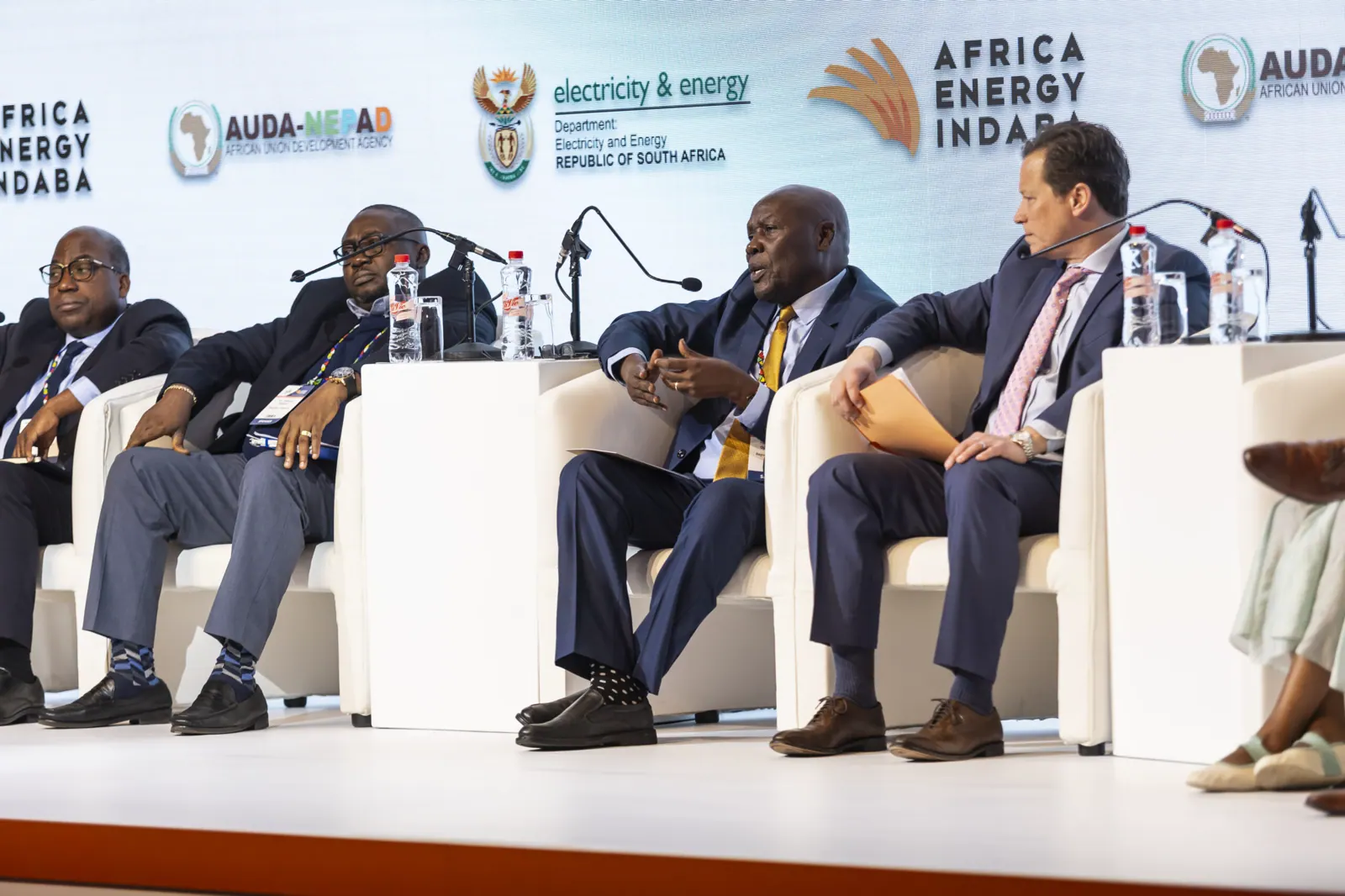
The Africa Energy Indaba emphasises that international partnerships should extend beyond financing to include technology, skills development, local participation, knowledge transfer, and long-term market development. Energy development is closely linked to Africa's broader economic ambitions, with reliable and affordable power needed to support mining, manufacturing, beneficiation, agriculture, digital infrastructure, transport, and other economic activities. Liz Hart, Managing Director of the Africa Energy Indaba, notes that the focus should shift from merely increasing megawatts to enabling economic activity through reliable power.
The issue of connecting energy projects with capital, technology, and expertise will be discussed at the Africa Energy Indaba 2027, scheduled for March 2. The event aims to bring together stakeholders to explore solutions to Africa's energy challenges and unlock the continent's energy potential. With the right investments and partnerships, Africa can harness its energy resources to drive economic growth, industrialisation, and sustainable development.
Key points
- Africa requires $240 billion in annual energy investment by 2030 to meet growing electricity demand and support industrialisation.
- The continent accounts for 20% of the world's population but receives only 2% of global clean energy investment.
- International partnerships are crucial to unlock Africa's energy potential, including financing, technology, skills development, and local participation.