Africa's electricity challenge is often described as a shortage of generating capacity, but the underlying problem is also one of investment. The continent possesses substantial energy resources, but too few financially viable projects, adequately developed electricity networks, and sustainable financing arrangements to translate that potential into reliable power for households and businesses. According to the International Energy Agency's (IEA) 2025 report, Financing Electricity Access in Africa, approximately 600 million people in sub-Saharan Africa, representing about 47 per cent of the region's population, lacked access to electricity in 2024.
The financing gap for electricity access in Africa is substantial. The IEA estimates that less than US$2.5 billion was committed annually for new electricity-access connections in sub-Saharan Africa in 2023, the latest year covered by its comprehensive financing assessment. Yet achieving universal electricity access by 2035 will require approximately US$150 billion in cumulative investment, equivalent to an average of US$15 billion annually. This challenge extends beyond attracting additional capital, as African countries must establish the policy environment, commercial arrangements, and investment structures that enable financing to reach projects capable of delivering dependable electricity and measurable economic returns.
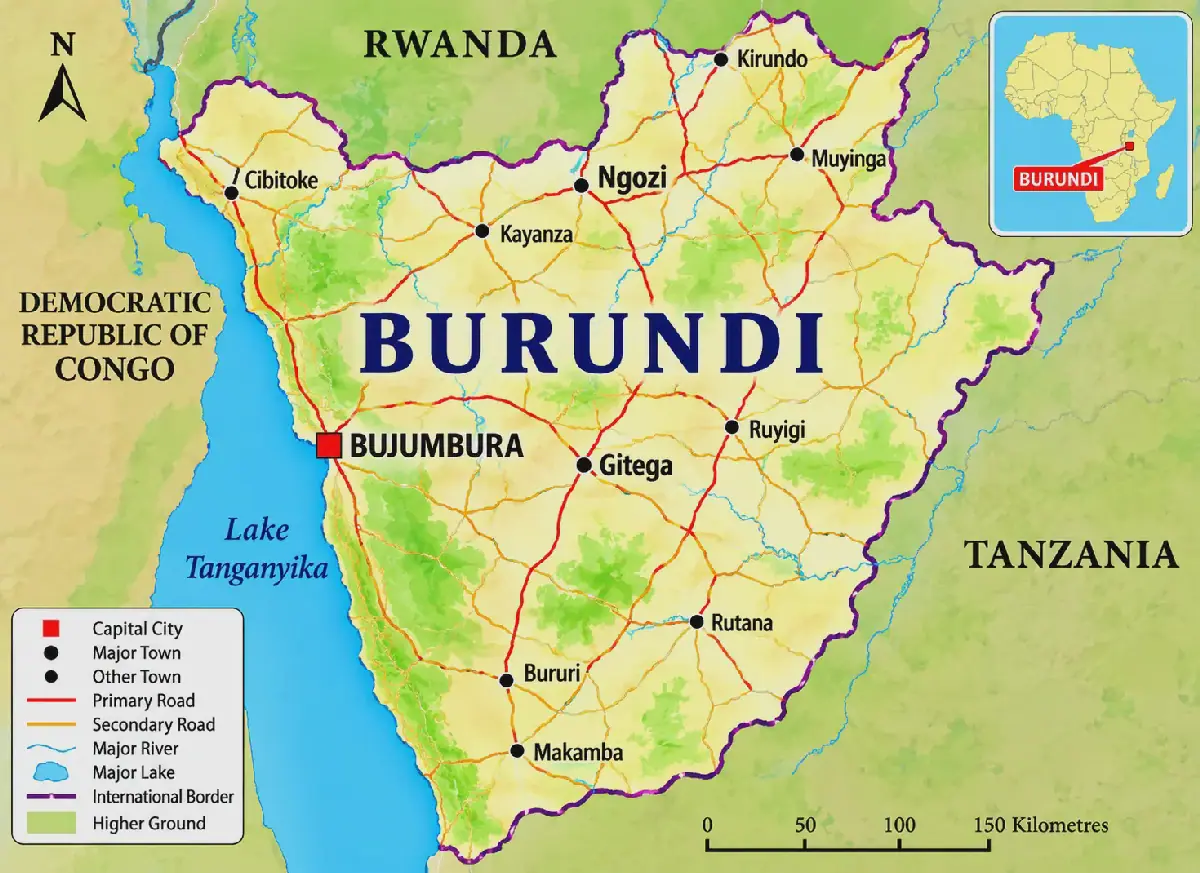
Burundi offers a useful example of how to approach this challenge. The Mubuga solar photovoltaic power plant in Gitega Province, developed through a public-private partnership involving the Government of Burundi and Gigawatt Global, became the country's first grid-connected solar power development by an independent power producer when it entered commercial operation in 2021. With an installed capacity of 8.67 megawatt-peak (MWp), the facility increased Burundi's electricity generation capacity by approximately 10 per cent, according to the Renewable Energy Performance Platform (REPP).
The Mubuga project's significance extends beyond the electricity it produces. It demonstrated that a relatively small electricity market, often considered challenging for international investors, could attract private-sector participation when government cooperation, development finance, and commercially structured partnerships were brought together. REPP supported the project's development from 2016, while construction financing and subordinated lending involved the Evolution II Fund, managed by Inspired Evolution Investment Management.
The Mubuga plant is estimated to support the electricity needs of approximately 90,000 people and businesses through improvements in the local electricity supply. Construction generated approximately 190 temporary jobs, around half of which were held by women. The facility also provides eight permanent operational positions. These figures should be considered against the scale of Burundi's wider electricity needs, as Mubuga is not a solution to nationwide electrification challenges.
The project's success has attracted significant government attention. In May 2023, President Évariste Ndayishimiye visited the facility and announced an intention to double generating capacity near the existing site. The announcement reflected the administration's interest in building on the project's experience and encouraging further international participation in Burundi's energy development.
For African countries seeking international investment in their energy sectors, political support is important, but investors also require credible institutions, predictable regulations, and commercially sustainable arrangements. The Mubuga project illustrates the value of combining public-sector commitment with specialist development finance, and the broader lesson for African policymakers is that development finance should help prepare projects, absorb appropriate early-stage risks, and establish the conditions under which private capital can participate.
Key points
- The Mubuga solar power project in Burundi demonstrates how government commitment, international partnerships, and structured financing can bring new electricity capacity into an underserved market.