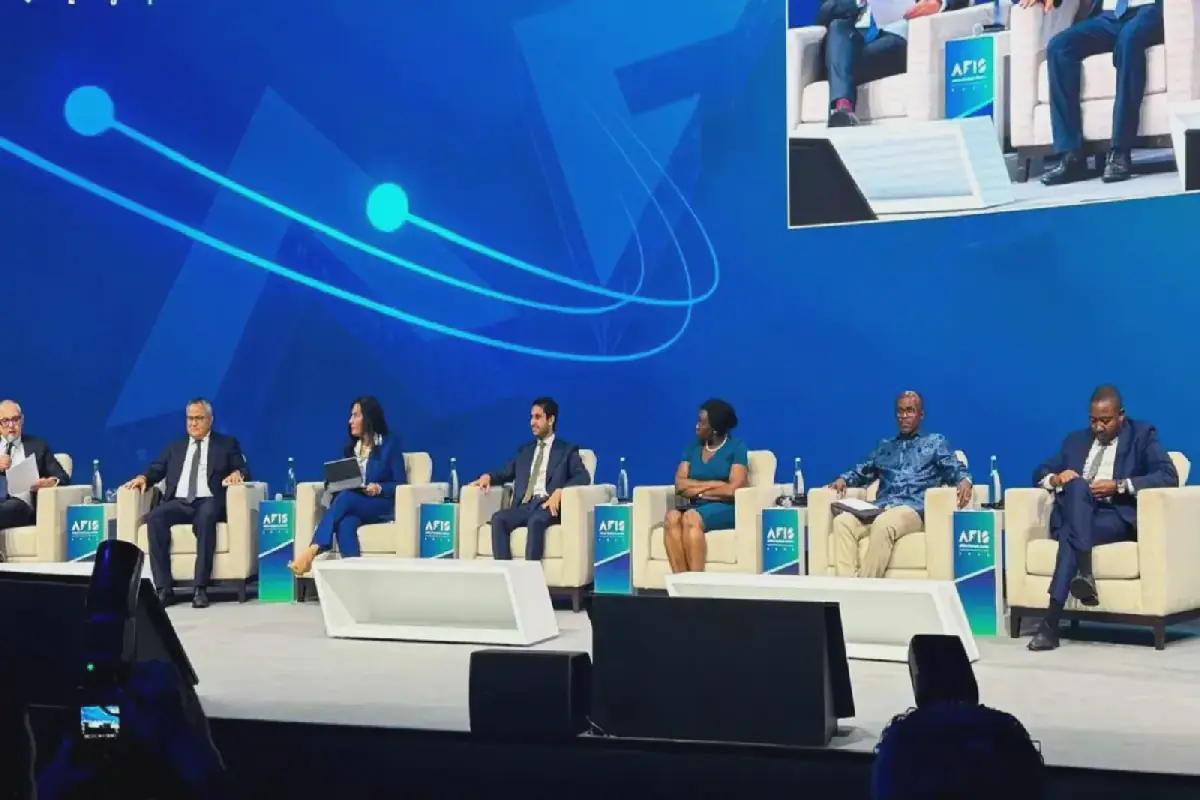
The sixth Africa Financial Industry Summit (AFIS) took place in Luanda, Angola, from 2 to 4 November 2026, bringing together over 1,250 senior financial-sector participants. The summit focused on the gap between Africa's available financial resources and the investment needed to expand businesses, infrastructure, and productive industries. The theme was "Making Capital Count: Driving Growth Through African Finance".
A major issue discussed at the summit was the estimated US$400 billion annual development financing gap facing the continent. Participants examined the potential of Africa's domestic long-term savings, estimated at approximately US$4 trillion, as a source of investment for infrastructure, industrial development, and enterprise expansion. This highlights a structural challenge in Africa's financial system.
Although African financial institutions have become increasingly sophisticated, many businesses, particularly small and medium-sized enterprises, continue to struggle to access affordable and appropriately structured financing. The summit emphasized improving the relationship between financial institutions and the businesses they serve. Discussions included longer-term financing, local-currency lending, and more effective risk-sharing arrangements.
The African Development Bank's New African Financial Architecture for Development (NAFAD) featured prominently in the discussions. The initiative seeks to strengthen coordination among African financial institutions and improve how capital is mobilised, risks are distributed, and private investment is attracted. The African Trade and Investment Development Insurance agency (ATIDI) is one example of this initiative.
The International Finance Corporation and Nigeria's Bank of Industry signed a US$50 million financing agreement on the sidelines of the summit. At least 25 per cent of the facility is intended for women-owned businesses, with agriculture, manufacturing, renewable energy, and the creative industries among the priority sectors.
Angola's role as host placed the country at the centre of a wider continental conversation about financial integration and economic diversification. The summit provided an opportunity to present Luanda as a meeting point for investors and institutions seeking to deepen Africa's financial partnerships.
The real measure of the summit will be whether the commitments and proposals translate into financing that reaches productive businesses, supports regional trade, and creates employment. For Africa, making capital count means ensuring that financial strength becomes economic power. The continent's next development phase will depend on how effectively it can deploy its own resources.
Key points
- The summit highlighted the need for African countries to make better use of domestic capital to finance development.
- The estimated US$400 billion annual development financing gap facing the continent was a major issue discussed at the summit.
- The African Development Bank's New African Financial Architecture for Development (NAFAD) initiative seeks to strengthen coordination among African financial institutions.
Reporting sources
- Africa’s Financial Future: Luanda Summit Calls for Domestic Capital to Drive Development · African Leadership Magazine