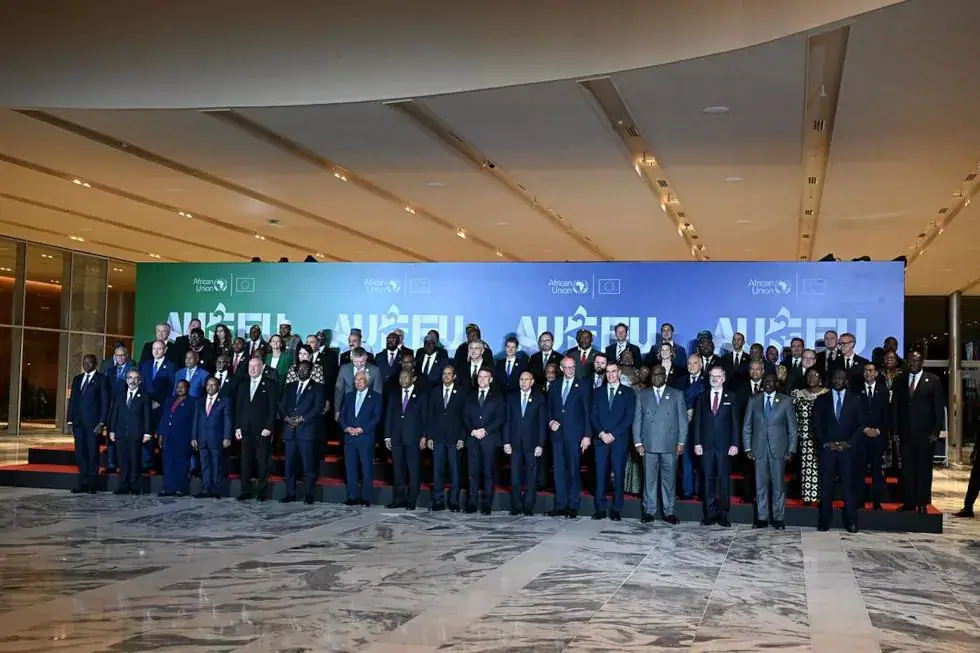
The Seventh African Union–European Union Senior Officials’ Meeting took place on 4 November 2026 at the African Union headquarters in Addis Ababa, Ethiopia. Approximately 400 participants attended, including 77 heads of delegation representing African and European Union member states and institutions. The meeting aimed to prepare for the forthcoming AU–EU Summit and strengthen coordination around shared priorities between the two regional blocs.
The discussions focused on transforming the longstanding relationship between Africa and Europe into a partnership that delivers greater economic opportunities, investment, and influence. African economies prioritized attracting productive investment, expanding market access, strengthening infrastructure, and accelerating industrialisation. The partnership also addressed issues affecting trade, development financing, technology transfer, and sustainable economic growth.
The African Union and European Union have maintained a structured partnership aimed at strengthening political dialogue, economic cooperation, and people-to-people relations. Their engagement has increasingly focused on connecting development priorities with practical investment opportunities, particularly in infrastructure, energy, digital transformation, and regional integration. For Africa, the central challenge is ensuring that cooperation translates into measurable economic benefits.
African countries continue to seek greater value from their natural resources, improved access to international markets, and stronger participation in global production networks. Investment in local manufacturing and value addition is particularly important. Rather than relying primarily on exporting unprocessed commodities, African economies need partnerships that support processing industries, technical expertise, technology transfer, and the development of competitive businesses.
The meeting also provided an opportunity to reinforce cooperation around infrastructure development and energy access. Reliable electricity, efficient transport networks, and modern digital systems remain essential to Africa’s economic transformation. Coordinated investment in these areas can improve business productivity, reduce trade costs, and strengthen connections between African markets.
A stronger partnership requires more than commitments and diplomatic declarations. African countries must have a clear role in determining investment priorities, negotiating beneficial agreements, and ensuring that projects respond to their development needs. Transparency, accountability, and measurable outcomes will be essential in translating cooperation into lasting economic progress.
The participation of senior officials from both continents demonstrates the continued importance attached to the relationship. Their discussions in Addis Ababa will help establish priorities for consideration at the forthcoming AU–EU Summit. For Africa, the opportunity is to approach the partnership with a stronger collective economic vision, aligning international cooperation with industrialisation, regional trade, and domestic investment priorities.
Key points
- African economies prioritize attracting productive investment, expanding market access, and strengthening infrastructure to drive economic growth.
- The partnership between Africa and Europe aims to connect development priorities with practical investment opportunities.
- African countries seek greater value from their natural resources and improved access to international markets.