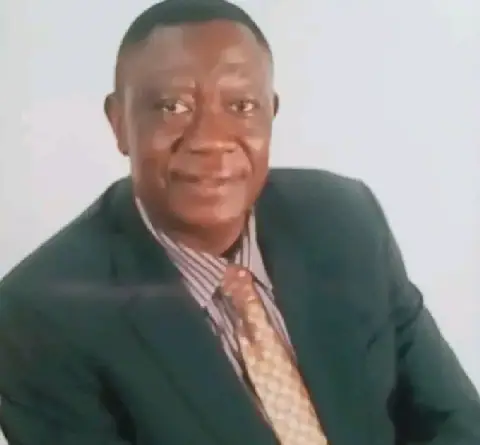
As the United Nations General Assembly convenes in New York, the issue of Security Council reform has taken center stage. UN Secretary-General Antonio Guterres has emphasized that the current architecture, established in 1945, no longer reflects the world today. A pressing concern is the absence of permanent African representation on the Council. Bright Ofori, in his article, advocates for Africa to be granted at least two permanent seats on a reformed Security Council.
Ofori proposes that the first permanent seat be allocated to the African Union, representing the continent as a single entity. The second seat would rotate every two years among Africa's recognized regional economic blocs, such as ECOWAS, SADC, and the East African Community. This approach ensures that no single geographic zone is permanently marginalized. Ofori argues that this rotation among regional blocs promotes cooperation and a unified African voice.
The rotation among individual African states is not feasible, according to Ofori, as it would take over half a century for every nation to have its turn. He emphasizes that Africa already has a mechanism for individual countries to serve through non-permanent seats. What Africa lacks is permanence, which should be allocated to structures that outlast any single administration or election cycle.
Ofori also highlights the importance of unity in Africa's representation. He notes that the continent has often been negotiated with in fragments, courted bilaterally, and played off against itself by external powers. A Security Council seat rotated among regional blocs encourages the continent to speak with a coordinated voice, rewarding cooperation over competition.
If the Security Council expands to allow additional permanent seats for individual African states, Ofori suggests that Egypt, Ethiopia, and Ghana would be strong candidates. These countries have a long-standing record of diplomatic engagement, peacekeeping contributions, and multilateral leadership. Egypt has a significant diplomatic history, Ethiopia hosts the African Union, and Ghana has a legacy of democratic governance and peacekeeping.
Ofori acknowledges Nigeria and South Africa as formidable powers but expresses concerns about their suitability for a permanent seat. South Africa has faced xenophobic violence, and Nigeria continues to contend with internal security challenges. These issues raise questions about their readiness to lead global deliberations on security.
Ultimately, Ofori emphasizes that Africa deserves permanent, structured, and unified representation at the table where international decisions are made. The debates in New York offer an opportunity for African leaders and the international community to move from rhetoric to reform. The world has waited long enough for Africa to have a voice in shaping the international order.
Key points
- Africa should have at least two permanent seats on a reformed UN Security Council.
- The seats should be allocated to the African Union and rotated among regional economic blocs.
- Egypt, Ethiopia, and Ghana are potential candidates for additional permanent seats.