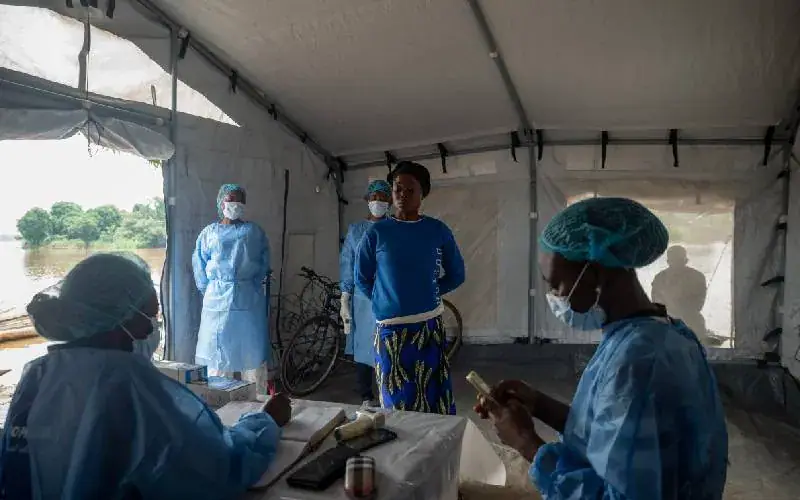
The Africa Centres for Disease Control and Prevention (Africa CDC) has expressed support for Kenya's response to the Ebola outbreak, while criticizing travel restrictions imposed by Saudi Arabia and other countries. The continental health agency argues that broad travel restrictions can undermine outbreak control, damage economies, and discourage countries from reporting infections transparently.
Africa CDC Director General Jean Kaseya stated that measures taken during outbreaks should be guided by science, proportionality, transparency, international cooperation, and the International Health Regulations. The agency emphasized that the fastest path to protecting all countries is to aggressively support outbreak control at the source.
Kenya has protested Saudi Arabia's decision to suspend travel by its citizens to Kenya, halt the issuance of all visa categories to Kenyan travelers, and bar entry to people who have been in Kenya or another Ebola-affected country within the previous 21 days. The Kenyan Ministry of Health has described the restrictions as excessive and not supported by the country's epidemiological situation.
The Ministry of Health reported that all confirmed infections in Kenya have been linked to one cluster associated with the imported index case, with no evidence of community transmission. Africa CDC has commended Kenya's handling of the outbreak, including early detection, surveillance, and containment measures.
Following a meeting between Kaseya and Health Cabinet Secretary Aden Duale on October 27, Africa CDC announced approximately $1.5 million in financial, technical, and operational support, including the deployment of 10 public health experts and the provision of laboratory supplies and equipment.
The dispute with Saudi Arabia comes amid wider international restrictions and screening measures affecting countries linked to the outbreak, including the Democratic Republic of Congo, Uganda, and South Sudan. Africa CDC maintains that countries should prioritize stronger surveillance, cross-border information sharing, laboratory capacity, and rapid response rather than blanket restrictions.
A Kenyan national who had traveled from the Democratic Republic of Congo through Uganda, despite efforts to save his life, did not survive. The total distance from the starting point to where he landed was almost 2,300 kilometers, generating significant contacts that could increase public health risks if not properly managed.
Key points
- Africa CDC criticizes travel restrictions as a primary public health measure during outbreaks.
- Kenya's Ministry of Health describes Saudi Arabia's restrictions as excessive.
- Africa CDC provides $1.5 million in support to Kenya's Ebola response efforts.