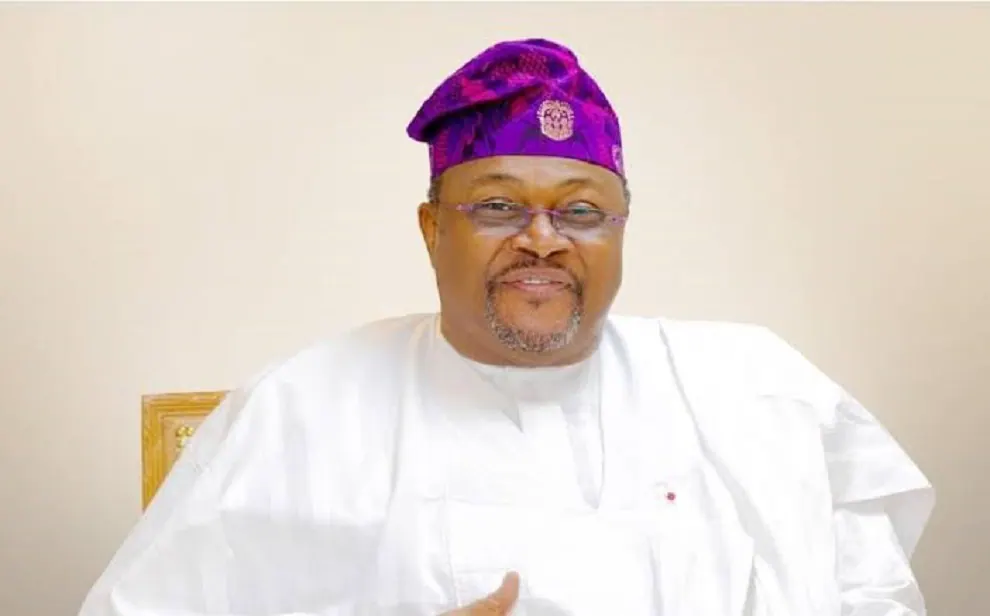
The business investments of Mike Adenuga Jr. have significantly contributed to the development of Nigeria's private sector, particularly in telecommunications, oil and gas, and other capital-intensive industries. According to Dave Agboola, Chief Press Secretary to the Speaker of the Lagos State House of Assembly, Adenuga's career demonstrates how indigenous capital can be deployed across strategic sectors, including telecommunications, petroleum, banking, real estate, aviation, sports, and entertainment.
Agboola highlighted Adenuga's role in Nigeria's telecommunications market, citing Globacom's entry into the market in 2003 as an example of the impact an indigenous operator can have on competition. Globacom introduced per-second billing as one of its early competitive strategies, contributing to changes in market competition. Rival operators subsequently introduced similar billing systems and reduced starter-pack and tariff costs.
The significance of Adenuga's business interests lies not only in their scale but also in the sectors in which they operate. Agboola identified Globacom's investment in telecommunications infrastructure, including the Glo-1 submarine cable connecting West Africa with Europe, as a key example. Such infrastructure has become increasingly important as telecommunications services underpin financial technology, e-commerce, digital media, and business communications.
In the oil and gas sector, Agboola highlighted Adenuga's activities through Conoil Producing and related interests. The growth of indigenous companies demonstrates the capacity of Nigerian-owned businesses to participate in an industry historically dominated by international oil companies. Agboola noted that Adenuga was practising local content long before it became a policy buzzword.
Agboola also cited Adenuga's former involvement with Equitorial Trust Bank, which subsequently became part of Sterling Bank, as evidence of his diversification into financial services. Investments in banking are significant because financial institutions play a major role in mobilising capital and providing access to financial services.
Agboola emphasized that the wider economic impact of diversified business groups should be assessed beyond their headline assets. He identified real estate, aviation, sports, and entertainment among Adenuga's other interests, saying that investments in these sectors can stimulate activity in construction, engineering, and professional services, and create opportunities for professionals, athletes, and entertainers.
Agboola concluded that Nigeria's broader challenge is creating conditions that will enable more indigenous businesses to grow from local enterprises into companies capable of competing internationally. He identified access to capital, infrastructure, technology, human capital, and effective management as critical factors in achieving such growth, and emphasized that indigenous ownership must translate into sustainable corporate capacity.
Key points
- Mike Adenuga Jr.'s business investments have significantly contributed to Nigeria's private sector development.
- Adenuga's career demonstrates the potential of indigenous capital to transform strategic sectors.
- Nigeria's challenge is creating conditions for indigenous businesses to compete internationally.