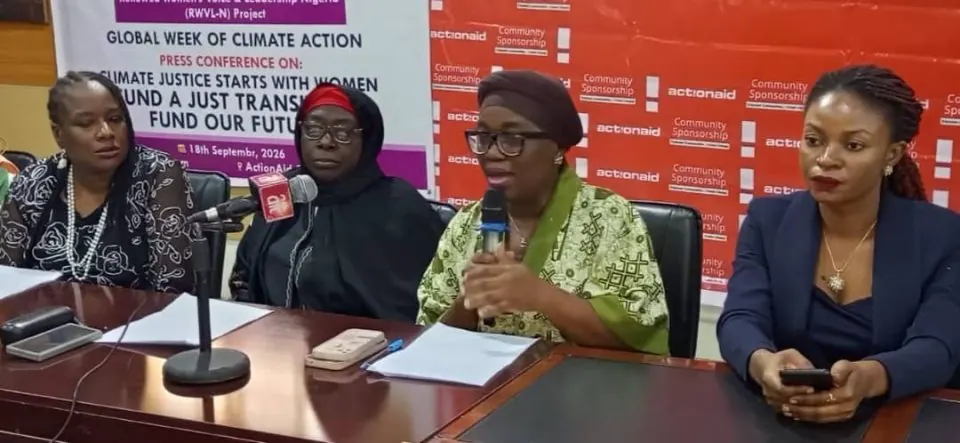
ActionAid Nigeria has expressed concerns that rising debt repayments are putting pressure on the country's ability to finance climate action. According to the organization's international report, Debt Fuels the Climate Crisis: How the Finance Flows, climate-vulnerable countries are spending nearly 25 times more on debt repayments than on climate action. This has significant implications for Nigeria, where debt repayments are projected to consume more than half of government revenue in 2026.
The report highlights that 93.5% of climate-vulnerable countries are either in debt crisis or at significant risk of debt distress. In Nigeria, communities are already experiencing the consequences of climate change through environmental degradation, damaged livelihoods, and food insecurity. For example, a Niger Delta farmer, Finegirl, whose community has been affected by oil pollution and the loss of farming and fishing resources, is struggling to cope with the impacts.
Women and girls are particularly exposed to the effects of climate shocks and reduced public services. They face increased unpaid care work, longer journeys to access water, food insecurity, and disruptions to girls' education. ActionAid Nigeria is calling for greater investment in renewable energy, sustainable agriculture, and flood prevention to mitigate these impacts.
The organization also noted that nearly 40% of Nigeria's population remains without access to electricity, despite the country being Africa's largest fossil fuel producer. This highlights the need for a shift towards renewable energy sources to address the country's energy needs while reducing its carbon footprint.
ActionAid Nigeria is urging the Federal Government to adopt a sustainable and transparent public debt framework that protects spending on healthcare, education, social protection, and climate resilience. The organization also wants to ensure that climate funds are properly tracked and reach affected communities, women, young people, and persons with disabilities.
Dr. Andrew Mamedu, ActionAid Nigeria Country Director, emphasized that climate justice must focus on people directly affected by environmental and economic pressures, including farmers, fishers, girls, and young people. He called for an end to unsustainable debt and increased financing for climate action to support those most vulnerable to its impacts.
The organization is advocating for a comprehensive approach to address the intersection of debt, climate change, and sustainable development in Nigeria. This includes promoting sustainable agriculture practices, enhancing flood prevention measures, and increasing access to renewable energy. By addressing these challenges, Nigeria can reduce its vulnerability to climate change and promote sustainable development.
Key points
- Debt repayments projected to consume over half of Nigeria's government revenue in 2026.
- Climate-vulnerable countries spend nearly 25 times more on debt repayments than on climate action.
- 93.5% of climate-vulnerable countries are in debt crisis or at significant risk of debt distress.