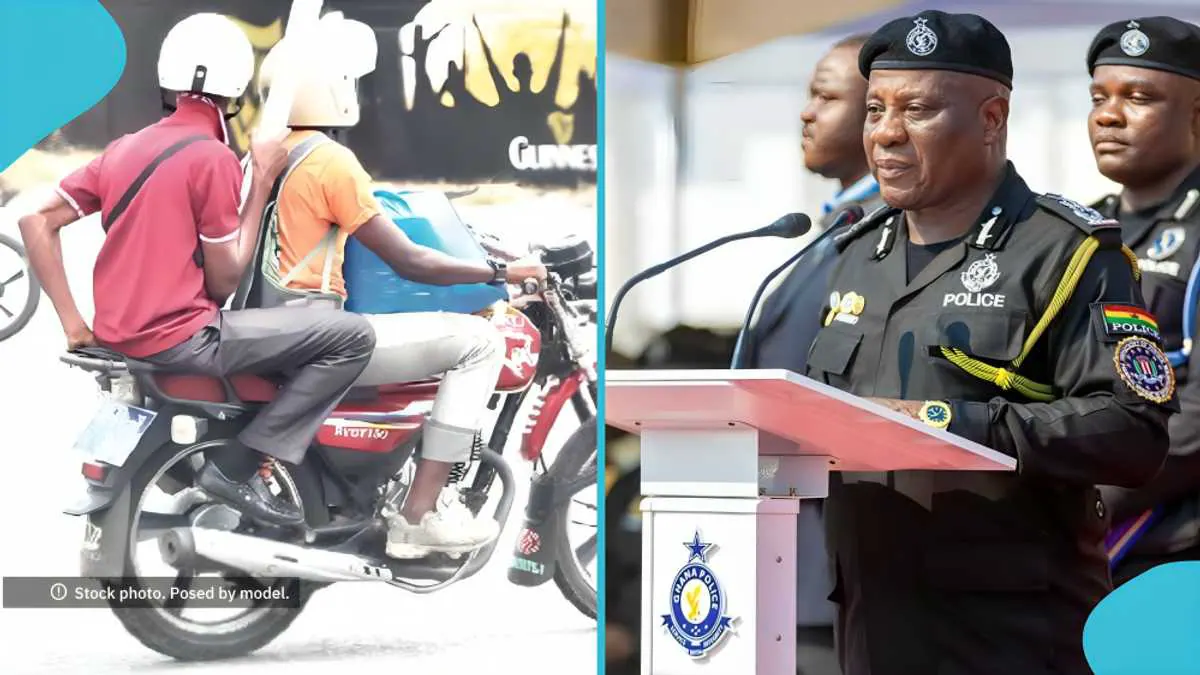
Commercial motorcycle riders, known as Okada riders, in Accra have raised concerns about alleged extortion by Motor Traffic and Transport Directorate (MTTD) officers during traffic enforcement operations. The riders claim they are frequently stopped and required to pay sums of money without receiving any clear explanation of the offence committed. One rider shared his experience, stating that officers demanded between GHC100 and GHC200 without providing documentation.
The riders report that unexplained roadside payments have become a common occurrence. They say that when their motorcycles are seized, they are asked to make informal payments at police stations before the vehicles are returned to them. Since their motorcycles are their primary source of livelihood, each incident can severely disrupt their daily income. The riders are calling for greater accountability and transparency in traffic enforcement operations.
Official statistics support the riders' concerns. In August 2026, the Ghana Statistical Service released data showing that the MTTD recorded the highest bribery interaction rate among all police units in Ghana, at 54.6 per cent. This has raised questions about the effectiveness of current measures to prevent corruption within the MTTD.
The Ghana Police Service has taken steps to address broader bribery concerns. Seven officers in Accra were recently interdicted after a patrol team allegedly stopped a citizen, demanded an unlawful payment, and compelled the victim to withdraw cash from an ATM. The Police Professional Standards Bureau is investigating the allegations and is expected to determine whether disciplinary action is warranted.
Traffic offences in Ghana are regulated under the Road Traffic Regulations, 2026, L.I. 2519. The regulations cover violations such as drink driving, speeding, running red lights, using a mobile phone while driving, and failure to wear safety gear for motorcycle and tricycle operators. However, the riders argue that the current system allows for too much discretion by individual officers.
Anti-corruption campaigner Bright Ofori has called for structural reform in how traffic enforcement is carried out. He believes that technology must play a central role in restoring public trust. The Ghana Police Service has rolled out TraffiTech-GH, an automated traffic enforcement system designed to digitise road monitoring and reduce dependence on manual checks.
The Okada riders in Accra insist that accountability at the individual officer level and fair treatment during enforcement operations are the real measures of whether any system works in practice. They are calling for the use of bodycams and stronger accountability measures to prevent extortion and ensure that traffic enforcement operations are carried out fairly and transparently.
Key points
- MTTD officers accused of extortion during traffic checks
- Ghana Statistical Service data shows MTTD has highest bribery interaction rate
- Police Service rolls out automated traffic enforcement system to increase transparency