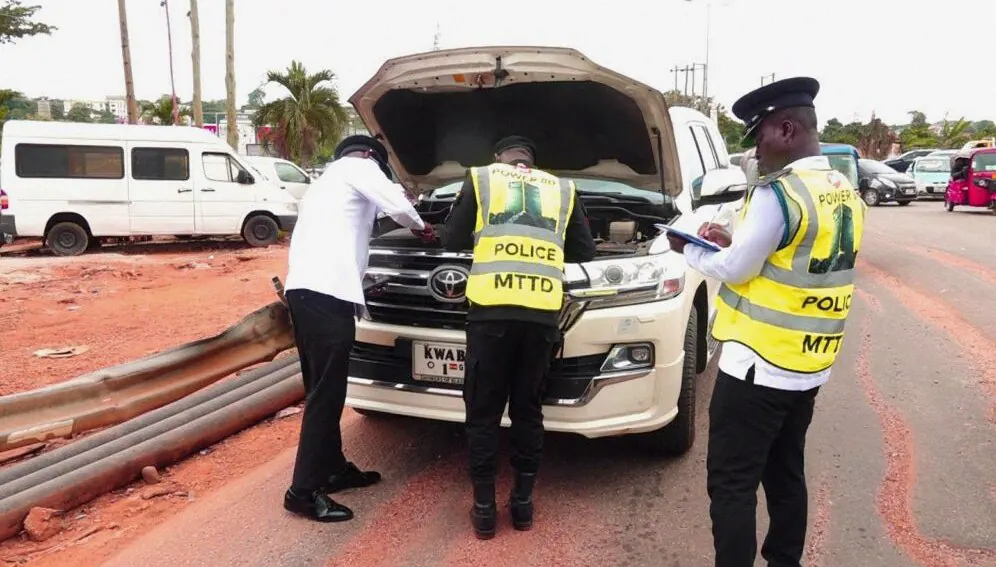
Motorcycle taxi riders operating in Accra, known as okada riders, have alleged that officers of the Motor Traffic and Transport Directorate (MTTD) frequently demand unexplained cash payments from them during traffic stops. According to the riders, these demands range from GHS100 to GHS200. The allegations are supported by recent government data, which shows that the MTTD has the highest bribery interaction rate of any police unit in Ghana, at 54.6 percent.
The data, cited by Yen and obtained from the Ghana Statistical Service, lends statistical weight to the complaints raised by okada riders about their encounters with the MTTD on Accra's roads. Riders have described the unexplained cash demands as a major challenge, with some stating that they are asked to make informal payments at police stations before their vehicles are released. This has a direct impact on their daily earnings and ability to work.
Okada operations are technically restricted under Ghana's Road Traffic Regulations, which govern issues such as speeding, drink driving, and safety gear requirements for motorcycle and tricycle riders. This restricted legal status leaves okada riders particularly exposed to arbitrary stops by traffic officers, as their very operation can be treated as an infraction regardless of how they are riding.
The allegations against the MTTD are part of a broader pattern of extortion complaints levelled against public officials in Ghana this year. Recently, the Ghana Police Service interdicted seven officers in Accra after a patrol team allegedly stopped a citizen, demanded an unlawful payment, and forced the person to withdraw cash from an ATM to satisfy the demand. This case is being investigated by the Police Professional Standards Bureau.
Anti-corruption campaigner Bright Ofori has called for the police service to strengthen its internal disciplinary systems and adopt technology such as bodycams to curb similar abuses. The Ghana Police Service has already rolled out TraffiTech-GH, an automated traffic enforcement system meant to digitise road monitoring and cut down on manual, face-to-face interactions between officers and motorists that create room for bribery.
However, okada riders in Accra believe that technology upgrades alone will not be enough to address the issue. They maintain that real accountability for individual officers and fairer treatment during enforcement stops are what will ultimately determine whether reforms translate into practice on the ground. The riders are calling for greater transparency and accountability within the MTTD.
At this time, no timeline has been given for when any review of MTTD conduct or the outcome of the Professional Standards Bureau's investigation into the seven interdicted officers will be completed. The okada riders are awaiting a resolution to the issue, which they believe will help to reduce the bribery and extortion they face on a daily basis.
Key points
- The MTTD has the highest bribery interaction rate of any police unit in Ghana, at 54.6 percent.
- Okada riders allege that MTTD officers demand GHS100-200 in bribes during routine traffic stops.
- The Ghana Police Service has rolled out TraffiTech-GH, an automated traffic enforcement system, to curb bribery.