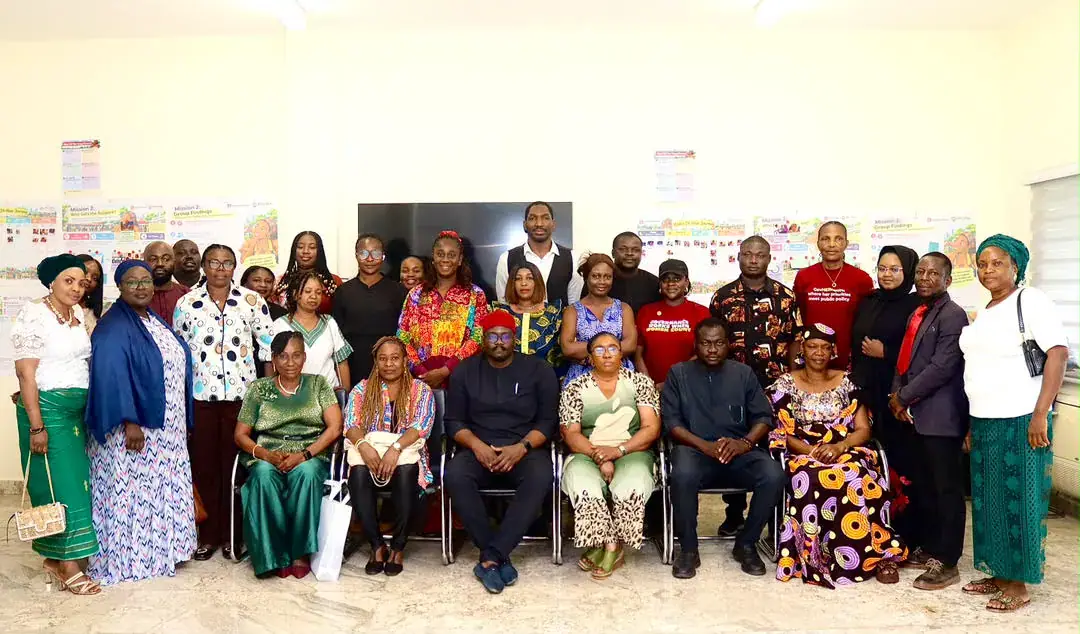
Accountability Lab Nigeria has urged the Federal and state governments to involve women, civil society organisations, and community members in budget planning to ensure public spending addresses the needs of vulnerable groups. The organisation warned that excluding women from decisions on public expenditure could undermine efforts to address critical needs, including maternal healthcare, social protection, and gender-based violence.
The Country Director of Accountability Lab Nigeria, Friday Odeh, made the call at a technical workshop on co-designing a gender-responsive budgeting assessment toolkit, supported by the Canadian Funds for Local Initiatives. The workshop aimed to assess how effectively government budget processes reflected the needs of different groups in society.
Odeh said governments should move away from top-down budget planning and create opportunities for citizens, civil society organisations, the private sector, and the media to influence spending priorities and public project design. He identified areas requiring greater attention in government budgets, including gender-based violence, women’s participation in the informal economy, maternal healthcare, and access to essential services.
Odeh also called for gender-responsive budgeting to be extended to the community level, noting that cultural practices and household arrangements sometimes prevented women from participating in decisions affecting their welfare and economic activities. He warned that governments sometimes overlooked the needs of women and persons with disabilities in infrastructure and public service planning.
The Programmes and Learning Manager of Accountability Lab, Ehi Idakwo, said women’s limited participation in budget formulation had contributed to the neglect of their needs in government policies and social protection programmes. Idakwo noted that women constituted a significant proportion of Nigeria’s population and contributed substantially to the economy, particularly through informal businesses and activities.
Idakwo stressed that government support programmes should be designed around the actual needs of beneficiaries rather than depend on personal connections with public officials. She cited the rejection of the Gender and Equal Opportunities Bill by the National Assembly and the lack of progress on proposed reserved legislative seats for women as challenges to improving women’s representation in governance.
The proposed assessment toolkit is expected to provide stakeholders with a framework for evaluating budget practices and identifying gaps in how government projects respond to the needs of women and other vulnerable groups. Accountability Lab plans to engage 20-30 ministries, departments, and agencies to share findings and encourage integrating gender considerations into government projects.
Key points
- Accountability Lab Nigeria urges governments to involve women in budget planning to address critical needs.
- Excluding women from budget decisions undermines efforts to address maternal healthcare, social protection, and gender-based violence.
- The organisation plans to engage 20-30 ministries, departments, and agencies to share findings and encourage integrating gender considerations into government projects.