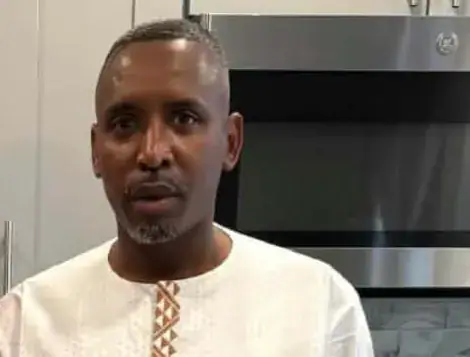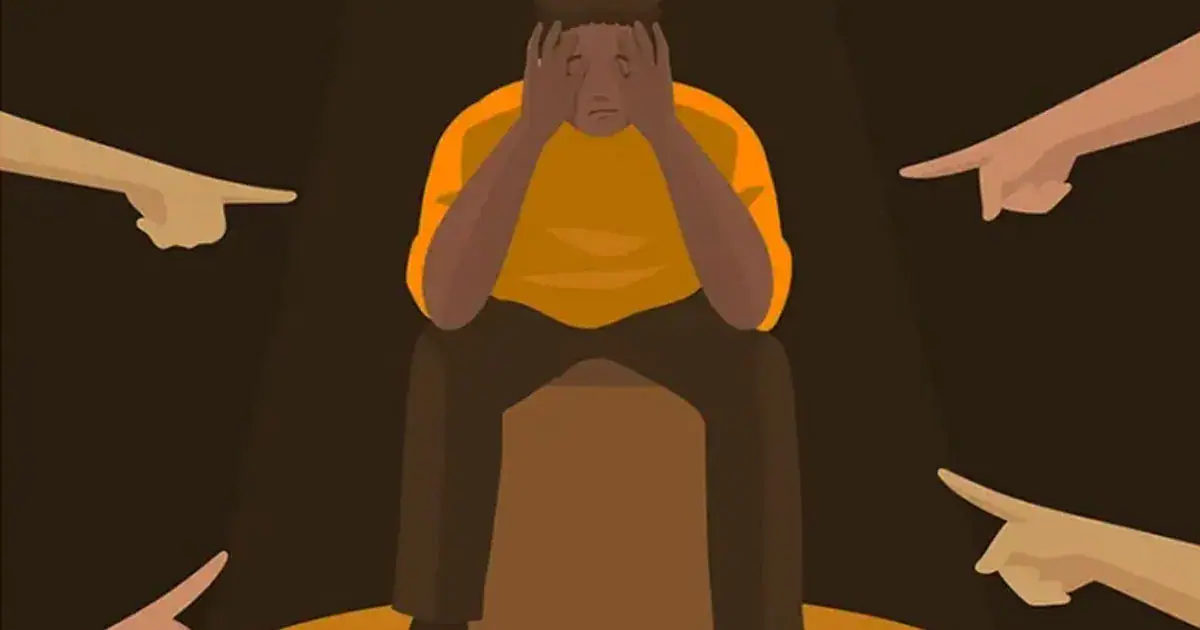
Racism does not always start with physical violence, but can begin with seemingly harmless comments, jokes, or nicknames that reduce a person to their skin color, origin, or perceived identity. This can lead to a gradual erosion of a person's dignity and humanity. According to writer and translator Khémaïs Gharbi, "Dire que les mots racistes tuent ne signifie pas que toute parole offensante provoque mécaniquement un meurtre." He emphasizes that words can create a climate where violence becomes thinkable and acceptable.
The impact of racist language can be seen in the way it can prepare a climate for violence. Gharbi cites the example of Gandhi, who emphasized the importance of non-violence not just in actions, but also in the way we consider and address others. He notes that humor can be a complex issue, and while not all humor is hateful, some jokes can be hurtful and perpetuate prejudice. It is essential to examine the effects of our words and consider who may be hurt by them.
The danger of racist language increases when it receives public legitimacy, particularly during election campaigns. When politicians designate certain populations as the cause of all problems, they do not just propose a policy, but also offer a target for anger and resentment. Gharbi references Martin Luther King, who fought against an order that institutionalized the inferiorization of African Americans. King's struggle highlights that violence is not just about physical acts, but also about the institutions and everyday humiliations that perpetuate inequality.
The causes of racist violence are complex and multifaceted. While psychological fragility can play a role, it is not the sole explanation. Racist violence can be fueled by ideology, organized groups, propaganda, or a sense of impunity. Certain public statements can contribute to lifting taboos, making it seem acceptable to express previously shameful views. Gharbi emphasizes that those who engage in hate speech have a responsibility for their words.
Non-verbal cues, such as looks and glances, can also contribute to a climate of exclusion. Some looks can welcome, while others can assign or express suspicion and contempt. Being looked at in a certain way can make a person feel like they are being denied their individuality and humanity. Gharbi notes that Nelson Mandela wrote that people are not born hating others based on their skin color, origin, or religion, but that this hatred is learned.
Mandela's conviction offers a way forward, as it suggests that societies can also teach acceptance and inclusion. This requires not just good intentions, but also laws, education, justice, and institutions that protect everyone. Gharbi emphasizes that we must examine our own habits and be mindful of the words we use. We must be able to criticize ideas and policies firmly, but without dehumanizing others.
Ultimately, the power of words lies in their ability to shape our world. While we may not control the consequences of our words, we have a responsibility to be vigilant and mindful of the impact they may have. By being more aware of the words we use and refusing to perpetuate hate speech, we can create a more inclusive and equitable society.
Key points
- Racist language can create a climate where violence becomes acceptable.
- The impact of racist language can be seen in the way it reduces a person to their skin color, origin, or perceived identity.
- Societies can teach acceptance and inclusion, and it requires not just good intentions, but also laws, education, justice, and institutions that protect everyone.