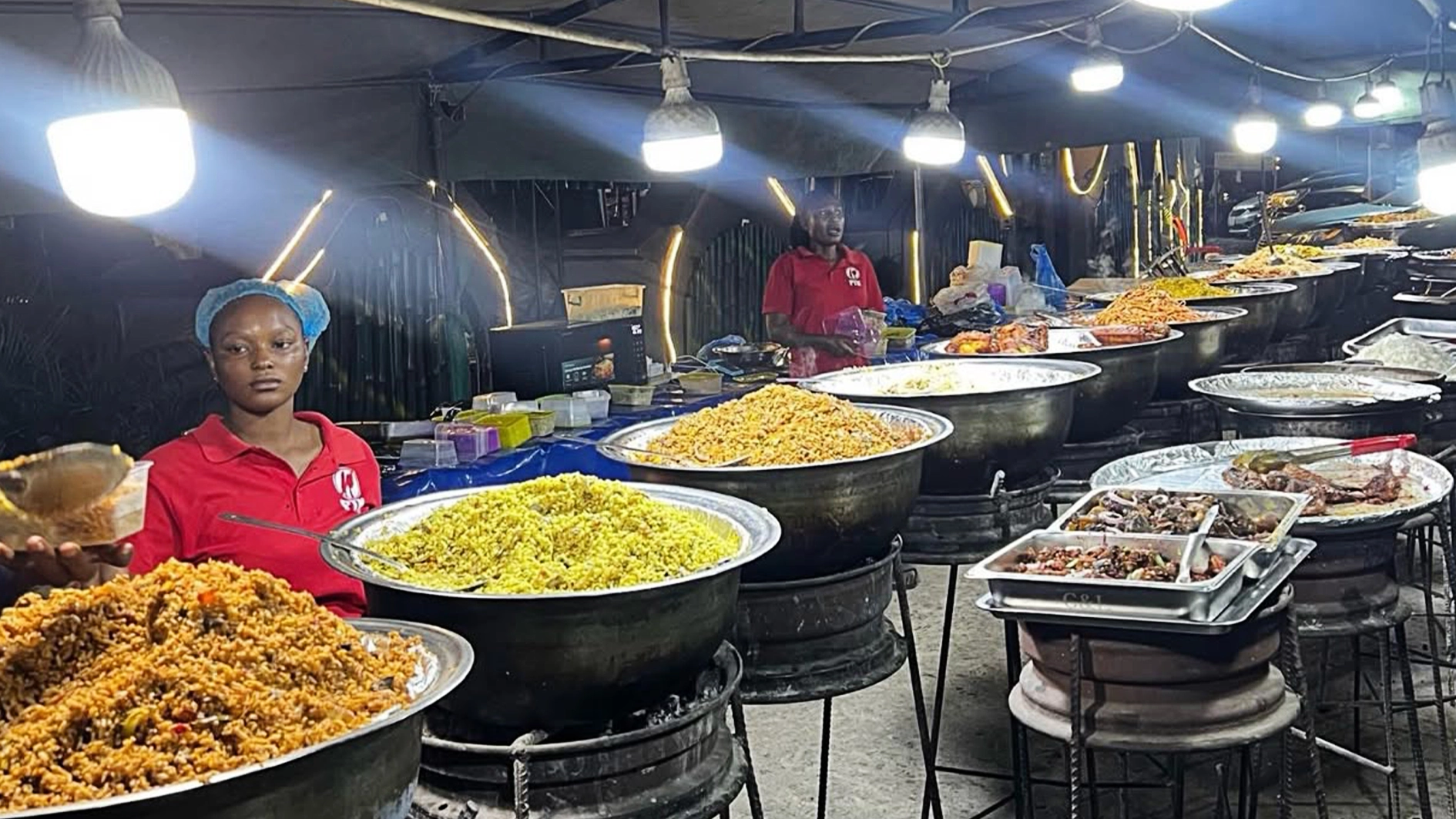
Abuja's nighttime aesthetic is evolving, with street bukas becoming an integral part of the city's dining scene. These informal restaurants, often set up on the roadside, offer a variety of steaming rice, live-fire grills, and other local delicacies. The street has become the dining room, with plastic chairs and tables occupying whatever space is available. A customer pulls over, and another walks in, as vendors serve food onto disposable plates. This unassuming setup is becoming increasingly popular among Abuja's residents.
The concept of street food is not new to Nigeria, but Abuja's evolving street-food culture is giving it a new identity. Roadside food sellers are transforming ordinary spaces into informal restaurants, complete with live-fire grills, bright lights, and music. The result is a unique experience that attracts a growing clientele, including young professionals, artisans, drivers, students, and civil servants. For some, it's about affordability; for others, it's the food itself or the lively atmosphere.
Dr. Jerome Peter Akogwu, a hotelier and hospitality consultant, sees the development of street bukas as an important part of Abuja's evolving hospitality landscape. He believes that street food is part of Nigerian culture and economy, and efforts should focus on improving standards rather than discouraging the practice. The debate surrounding street bukas has shifted from their existence to how they can grow without losing their affordability, accessibility, and informality.
The aesthetic of the Nigerian street buka is a significant part of its appeal. The sight of food displayed openly, with large aluminium trays filled with jollof rice, fried rice, and steaming stews, is a visual menu that showcases the variety of options available. Customers can simply look, point, and ask for the price, making the experience both simple and engaging. Maryjane Chigbu, a street buka owner, believes that the presentation is key to attracting customers.
The live fire, smoke, and street setup of bukas create a unique atmosphere that draws people in. At suya stands, flames rise as meat is turned over the grill, while at other spots, chicken is placed directly above glowing charcoal. The fire gives the street a different character, creating warmth, movement, and a mouth-watering smell. This exposed kitchen setup allows customers to see the food being prepared, adding an element of theatre to the experience.
The economics of the buka make it an attractive option for entrepreneurs looking to enter the food business. With relatively low entry costs, starting a small food business can be more affordable than setting up a conventional restaurant. Maryjane notes that the current economic situation and changing lifestyles of Nigerians are driving the increase in street bukas. Workers, students, and people on the move need affordable, accessible, and quickly prepared meals.
As the popularity of street bukas continues to grow, it's clear that they offer a unique experience that combines food, socializing, and nightlife. With their affordability, accessibility, and lively atmosphere, it's likely that street bukas will remain a staple of Abuja's dining scene. The combination of demand and relatively low entry costs will likely drive the proliferation of street bukas, cementing their place in the city's modern lifestyle.
Key points
- Street bukas are becoming a staple of Abuja's nightlife, offering affordable and accessible food in a lively atmosphere.
- The economics of the buka make it an attractive option for entrepreneurs, with relatively low entry costs compared to conventional restaurants.
- The aesthetic of the Nigerian street buka, with its openly displayed food and live-fire grills, is a significant part of its appeal.