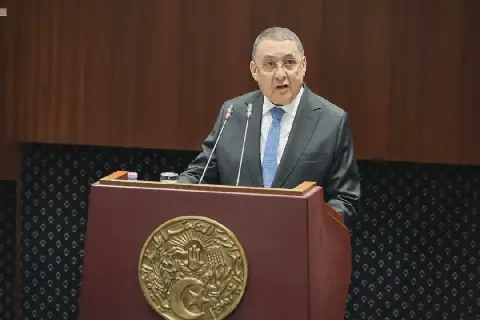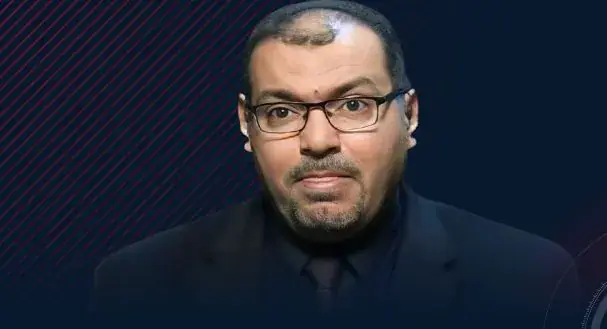
Mahmoud Abdelaziz has spoken out against the ongoing teachers' strike in Libya, stating that the protests have exceeded acceptable limits and are disrupting the academic year. He emphasized the need for a balanced approach that addresses teachers' demands while ensuring the continuation of education. Abdelaziz's comments come as the strike continues, with teachers demanding better working conditions and higher salaries. The strike has been ongoing for several weeks, causing concern among parents and students.
Abdelaziz rejected a proposal to make up missed classes on Fridays and Saturdays, instead calling for a comprehensive ten-year plan to reform the education system. He argued that the current system is hampered by an excessive number of employees, with over 700,000 staff and teachers working in education, compared to 1.3 million students. Abdelaziz claimed that Libya needs no more than 150,000 teachers, citing scientific data. He stressed that addressing this situation requires careful consideration to ensure that employees are not left without income.
The education sector in Libya faces significant challenges, including a large workforce and inadequate resources. Abdelaziz praised schools and teachers who have resumed classes, acknowledging the difficulties faced by educators. He emphasized that simply increasing the education budget will not achieve meaningful change unless staffing imbalances are resolved. Abdelaziz's comments highlight the need for a strategic approach to address the sector's challenges and ensure the continuity of education.
Abdelaziz also criticized the teachers' union proposal to hold make-up classes on weekends, stressing that the academic plan must consider students' psychological and social needs. He argued that weekends are a right and should not be affected. The issue of teaching allowances was also raised, with Abdelaziz blaming part of the sector's crisis on government mistakes and a deliberate policy of undermining education over the past forty years.
The crisis in Libya's education sector is further complicated by the large number of appointments made in and before 2011. Abdelaziz noted that hundreds of thousands were appointed in the sector with salaries between 150 and 160 dinars, and that many of these appointments should not have happened. Drawing on his experience as a university professor, Abdelaziz expressed concerns about the quality of education and the need for reform.
Abdelaziz concluded by emphasizing that paying all outstanding wages at once is unrealistic. He expressed his readiness to take part in any effort to implement a ten-year reform plan for the sector. The Libyan people, he noted, support teachers' rights but also want schools to reopen and education to return to normal. Abdelaziz's comments highlight the need for a collaborative approach to address the challenges facing Libya's education sector.
The ongoing teachers' strike in Libya has significant implications for the country's education system. With the academic year already disrupted, there is a pressing need for a resolution that balances teachers' demands with the need to ensure continuity of education. Abdelaziz's proposal for a ten-year reform plan offers a potential way forward, but its implementation will require careful consideration and collaboration among stakeholders.
Key points
- Libya's education sector faces significant challenges, including a large workforce and inadequate resources.
- Abdelaziz proposes a ten-year plan to reform the education system and address staffing imbalances.
- The ongoing teachers' strike has disrupted the academic year, with concerns about the impact on students' education.