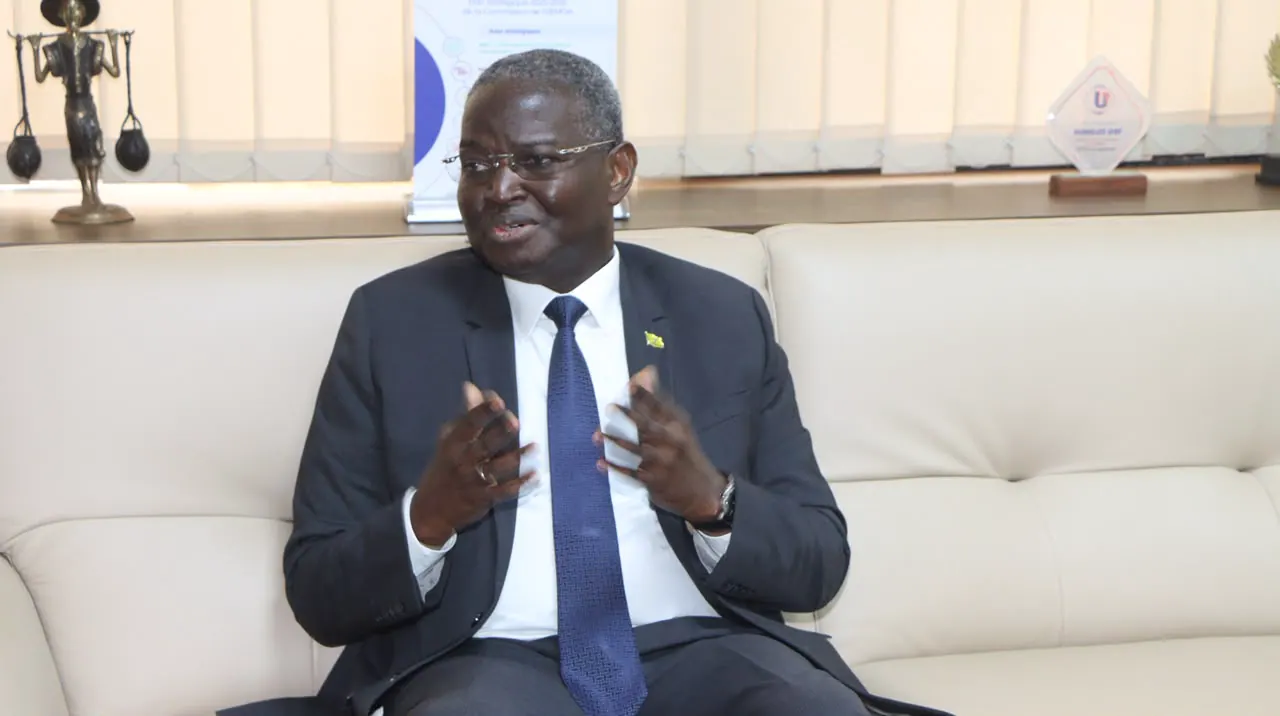
The President of the West African Economic and Monetary Union (UEMOA) Commission, Abdoulaye Diop, has highlighted the region's vigorous economic growth despite global challenges. In an interview, Diop noted that the economic activity within UEMOA has remained strong, with growth observed since 2023 continuing into 2025 and 2026. The Union's economic growth rate was 6.5% in 2025, up from 6.2% in 2024, driven by the extractive industries, services, and agriculture.
Diop discussed the UEMOA's strategic plan, "Impact 2030," which aims to accelerate the region's structural transformation and create regional economic hubs. The plan focuses on five strategic axes: developing production ecosystems, economic infrastructure, human development, integration foundations, and institutional governance. This plan aligns with the Union's 2040 vision to become a sustainable, peaceful, and prosperous economic and monetary space.
The UEMOA region has faced global inflation and Middle East crisis impacts, with seven of eight countries increasing fuel prices. Diop noted that while inflationary pressures remain contained, the region is monitoring the situation closely. The Union's inflation rate was 1.3% in August 2026, helped by a relatively favorable cereal supply.
The discovery and exploitation of hydrocarbons in Senegal, Côte d'Ivoire, and Niger are expected to boost the region's economy. Diop stated that this development has reinforced the region's growth pillars, allowing UEMOA to maintain over 6% growth in 2024 and 2025, surpassing the sub-Saharan Africa average. Hydrocarbon production will increase energy availability and reduce costs, driving growth.
Diop highlighted the importance of expanding the tax base and increasing tax revenue in several countries. Between 2020 and 2025, states achieved notable performances, with tax revenues doubling in some countries and increasing by around 70% in others. These results are due to reforms and actions aimed at broadening the tax base, improving tax efficiency, and combating tax evasion.
A new agreement between Senegal and the International Monetary Fund (IMF) has been seen as a positive signal by Diop, opening the way for other financing opportunities. He emphasized that this agreement would support the country's economic development and create a favorable environment for investors. The UEMOA Commission is working to promote regional integration and economic development.
Diop concluded by highlighting the UEMOA's major projects and short-term challenges, including promoting peace and security, implementing the energy pole development strategy, and developing infrastructure. The Commission will continue to work towards achieving the objectives of the "Impact 2030" strategic plan, focusing on sustainable and inclusive growth.
Key points
- UEMOA's economic growth rate was 6.5% in 2025, driven by extractive industries, services, and agriculture.
- The region's inflation rate was 1.3% in August 2026, relatively contained due to a favorable cereal supply.
- A new IMF agreement with Senegal is expected to unlock further financing opportunities for the country and the region.