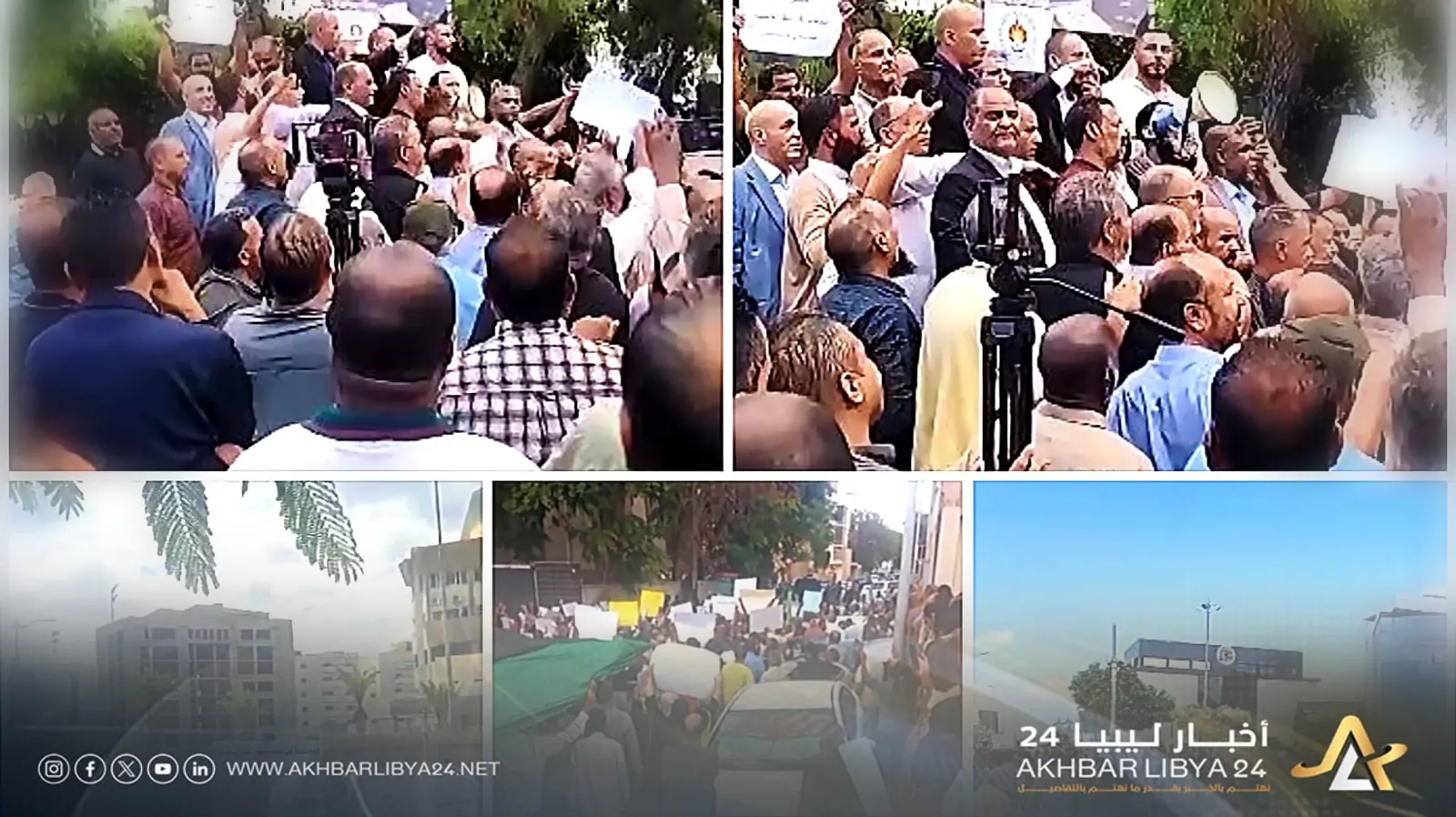
The Libyan teacher's strike has entered its fourth week, with educators across the country demanding better pay, improved working conditions, and professional rights. The protests, which began in late September, have seen teachers and their unions call for an end to what they describe as unfair treatment and a lack of respect for their profession. In the capital, Tripoli, teachers gathered outside the prime minister's office to voice their demands.
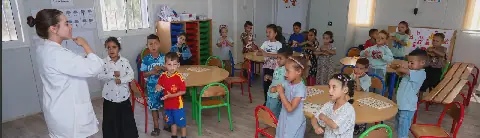
The strike has had a significant impact on the country's education system, with thousands of students affected by the closure of schools. Parents and families are also feeling the strain, as the prolonged disruption to the academic calendar threatens to undermine the entire school year. The teachers' union has made it clear that they will not back down until their demands are met, including the payment of salaries and benefits owed to them.
The teachers are seeking a unified salary scale, payment of outstanding financial differences, and improved healthcare insurance. They also want a resolution to issues related to their professional status and career advancement. The strike has been marked by widespread support from teachers and their unions, with many schools and educational institutions affected.
Ramadan Hamum, the General Secretary of the Libyan Teachers' Union, has stated that schools will not reopen until the teachers' demands are fully met. He highlighted the disparity in pay between teachers and members of the armed forces, saying that teachers receive between 12,000 and 18,000 Libyan dinars per month. Hamum emphasized that the union will continue to press for their demands to be met.
In the city of Zawara, the teachers' union has also declared its continued commitment to the strike, calling for the authorities to take their demands seriously. The union has stated that the dignity of the teacher is a red line and that they will not back down until their rights are respected. The strike has become a major challenge for the Libyan government, which is under pressure to address the teachers' concerns.
The crisis has sparked concerns about the impact on the country's education system and the future of its students. With the strike showing no signs of ending, there are fears that the academic year may be irreparably damaged. The government is under pressure to find a solution to the crisis, which has exposed deep-seated issues in the education sector.
The Libyan government faces a critical test in resolving the crisis, which has highlighted the need for meaningful reforms in the education sector. The authorities must balance the demands of the teachers with the needs of the students and the broader community. Failure to find a solution could have far-reaching consequences for the country's future.
Key points
- Libyan teachers are demanding better pay, improved working conditions, and professional rights.
- The strike has affected thousands of students and their families.
- The Libyan government faces a critical test in resolving the crisis.