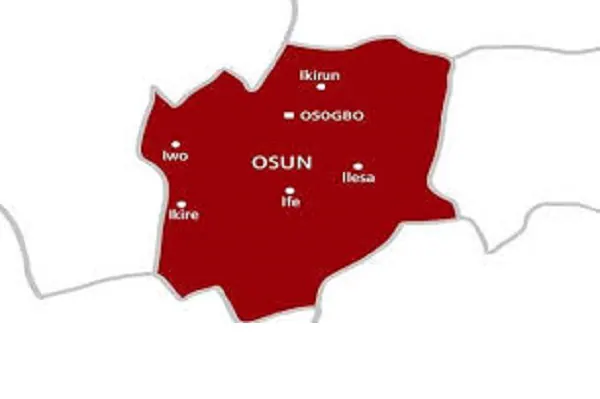
The administration of Ogbeni Raufu Aregbesola in Osun state focused on six key areas: poverty eradication, hunger alleviation, unemployment reduction, healthcare improvement, education promotion, and communal peace and security enhancement. These goals were part of the Integrated Action Plan, which aimed to uplift the state's socio-economic status. The plan's implementation, experiences, and challenges are detailed in Olakunle Abimbola's book, 'Renaissance'. The book provides an in-depth analysis of the administration's policies and their impact on the state.
The Aregbesola administration's policy planks were ambitious, considering Osun's fragile economic and revenue base. However, the administration's goals were in line with Chapter II of the 1999 Constitution, which outlines the state's responsibilities towards its citizens. The chapter emphasizes the importance of security and welfare, but its provisions are non-justiciable, making it challenging for governments to implement. Abimbola's narrative sheds light on the influences that shaped the administration's policy choices, including Ogbeni's Marxist background and the black nationalist movement.
The Aregbesola administration's policies were influenced by various ideologies, including democratic socialism and welfarism. The administration's six-point agenda aligned closely with Chief Obafemi Awolowo's political parties' platforms in the First and Second Republics. Additionally, Ogbeni's experience as Commissioner for Works and Infrastructure in Lagos under Asiwaju Bola Tinubu's administration shaped his approach to governance. The administration's flagship programs, such as the Osun Youth Employment Scheme (OYES) and expansive infrastructure projects, aimed to address the state's socio-economic challenges.
OYES was designed to empower 20,000 youths to earn a living by utilizing their educational skills or creativity to meet local communal challenges and public needs. The administration also invested in infrastructure modernization, including school infrastructure and road projects. The Agba Osun program catered to the special needs of the elderly, while the Opon Imo program, part of the O'School reforms, provided educational resources. Abimbola's book provides a detailed analysis of these programs and their impact on the state's development.
The Aregbesola administration faced a fiscal crisis due to a sharp drop in oil revenues, which led to a drastic reduction in Federation Account allocations. The crisis affected many states, but Osun's situation was particularly acute due to the administration's expansive infrastructure and welfare schemes funding commitment. The administration's decision to pay half salaries to some workers was a creative solution to the problem, but it attracted criticism. Abimbola defends the administration's debt financing strategy, which enabled the sourcing of low-interest, long-term funds for infrastructure projects.
Abimbola's book offers an African guide to grassroots politics and development, providing valuable insights into the challenges and opportunities faced by governments in the region. The book highlights the importance of redistributive policies and the need for governments to prioritize the welfare of their citizens. However, the author must consider the limitations of state resources and the need for sustainable repayment of debts. The influence of revolutionary Marxism and Awolowo's welfarist programs on Ogbeni's political thought is evident in the administration's policies.
The legacy of the Aregbesola administration's policies continues to shape Osun state's development trajectory. The state's experience serves as a valuable lesson for governments seeking to implement ambitious policies in the face of limited resources. Abimbola's book provides a comprehensive analysis of the administration's achievements and challenges, offering a nuanced understanding of the complexities of governance in Nigeria.
Key points
- The Aregbesola administration's policies were influenced by various ideologies, including democratic socialism and welfarism.
- The administration's flagship programs, such as OYES, aimed to address the state's socio-economic challenges.
- The fiscal crisis faced by the administration was due to a sharp drop in oil revenues, which led to a drastic reduction in Federation Account allocations.