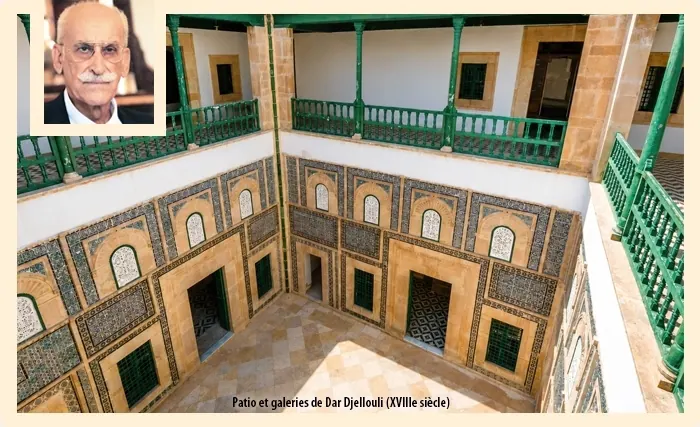
Located on the coast, 270 km south of Tunis, Sfax is a major city in Tunisia, known for its economic dynamism and large population. The city's history dates back to ancient times, with evidence of Punic and Roman presence in Thyna and Acholla (Boutria). However, it was likely founded by the Aghlabid dynasty of Kairouan in the 9th century. Sfax has played a significant role in shaping Tunisia's national identity, with its distinct social and cultural personality.
Throughout its history, Sfax has faced various external threats, including invasions by the Normans of Sicily in the Middle Ages. In 1156, the city's population, encouraged by the gouverneur Omar ibn Abou al Hassan, revolted against the occupying forces, resulting in the massacre of the city's Christians. The city continued to face threats from European powers, including a raid by the Sicilian fleet in 1286. These events have contributed to Sfax's resilience and strong sense of national identity.
Sfax has also experienced periods of internal turmoil, including a secession from the central power in the 14th century. It wasn't until the reign of Sultan Abou El Abbès (1370-1394) that order was restored. In 1864, the city joined a rebellion against the French protectorate, with the support of local tribes. The city's resistance to French colonial rule was marked by a heroic defense, ultimately succumbing to the French military's superior firepower and tactics.
Economically, Sfax has long been oriented towards the East, with a strong tradition of trade with the Levant, Egypt, and Turkey. The city's merchants have historically maintained close ties with these regions, with many families sending their children to study at Al-Azhar University in Cairo. This commercial activity has contributed to Sfax's growth and prosperity, with the city's port playing a significant role in the region's trade.
The city's commercial and cultural significance is also reflected in its architectural heritage, including the Great Mosque, built in the 9th century, and the Qasr Ziyâd, a historic ribat. Sfax has been home to numerous scholars and Sufis, including Sidi Abou el Hassan El Lakhmî and Sidi Ali El Nouri, who have contributed to the city's rich intellectual and spiritual tradition.
In addition to its historical and cultural significance, Sfax has played a major role in Tunisia's modern history, with the city serving as a hub for trade and commerce. The city's zaouias, or Islamic schools, have continued to play an important role in the city's intellectual and spiritual life, with many notable scholars and teachers having contributed to the city's rich tradition of learning.
Today, Sfax remains a vital part of Tunisia's economy and culture, with its unique blend of traditional and modern influences. The city's history and cultural heritage continue to be celebrated, with many of its historic landmarks and institutions remaining important symbols of the city's enduring identity.
Key points
- Sfax has a long history dating back to ancient times, with a unique cultural and economic significance in Tunisia.
- The city has faced various external threats and internal turmoil throughout its history, contributing to its resilience and strong sense of national identity.
- Sfax's economic and cultural significance is reflected in its architectural heritage, including the Great Mosque and the Qasr Ziyâd.