Somalia's federal government was established in 2013 after years of peace and reconciliation talks, held in the context of a famine in 2011 and the rise of militant Islam in the form of al-Shabaab. It was the first permanent central government in Somalia since the start of the civil war in 1991. Despite this, the federal government still has limited reach and authority, and al-Shabaab is still entrenched. Conflict and political instability continue in Somalia and the region.
According to research by The Conversation Africa, political elites at federal and state levels are seen to be corrupt and at odds with each other. A researcher who has studied Somalia's political economy for over 20 years argues that Somalia has settled into a situation that brings questionable benefits to the majority of the public, exploits displaced people, and positions al-Shabaab as a credible alternative to the official government.
The research highlights two themes: checkpoint governance, or the control of movement – goods and people – by different political authorities, and the control, mismanagement, and manipulation of international aid. Political elites and their business allies at both federal and member state levels benefit from corruption associated with international assistance. They also benefit from the rents generated at the various "chokepoints" along Somalia's transport corridors.
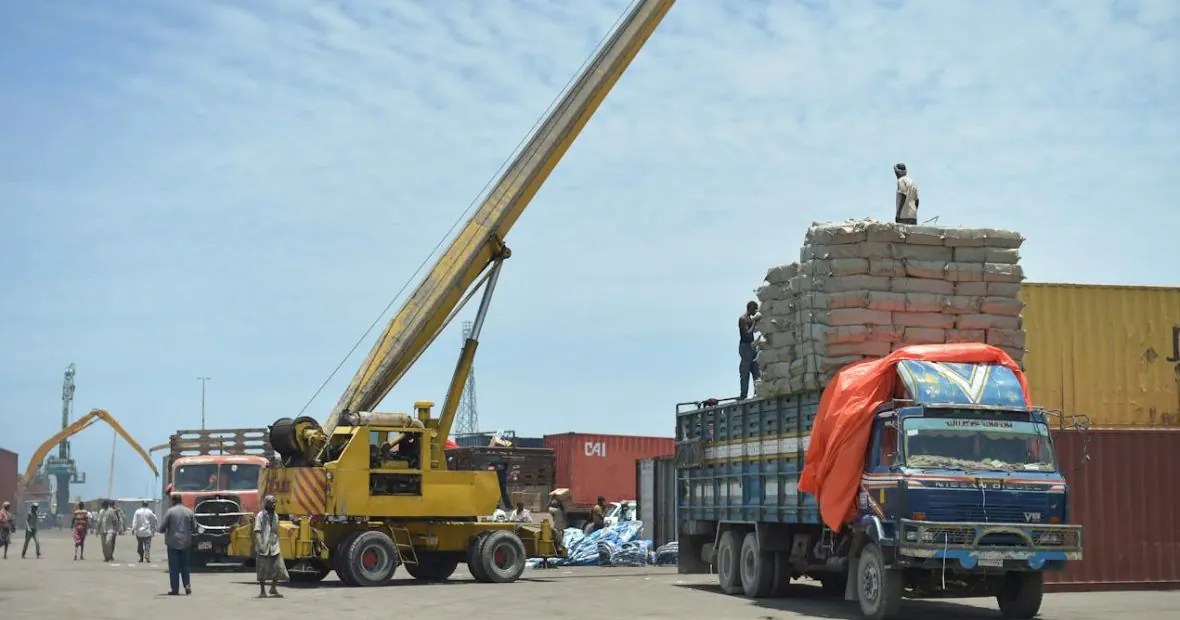
Somalia has the second-longest coastline in Africa, about 3,000km, with major and minor seaports and landing beaches acting as both avenues and chokepoints for international trade. The main export is livestock, while imports include food, electrical and electronic goods, clothes, and construction materials. Taxes are extracted at the entry points, including Berbera, Bosasso, Mogadishu, and Kismayo ports, and on the interior roads.
The recipients of these revenues include the federal government, the more autonomous federal member states, notably Jubbaland and Puntland, and al-Shabaab. This enables all these players to continue as they are. Research has shown how control over chokepoints has been central to political power in Somalia and shapes alliances between local elites and external actors like Ethiopia and Kenya.
Somalia receives significant amounts of international aid for humanitarian, development, and security needs, averaging US$1.6 billion annually since 2010, reaching approximately US$2.5 billion in 2024. However, the aid is channeled through project contracts susceptible to aid diversion and corruption. One of the worst forms is the exploitation of internally displaced people, who are some of the main recipients of assistance.
To address the situation, international donors must engage with inclusive Somali-led dialogue processes, identifying and supporting diverse voices and interests across society, including al-Shabaab. The humanitarian system is in a global reset, driven by aid cuts, and in Somalia, this reset must include acknowledgement of systemic barriers to change and address some of its perverse internal incentives that continue to enable corruption and aid diversion.
Key points
- Somalia's federal government has limited reach and authority, and al-Shabaab remains entrenched.
- Political elites and their business allies benefit from corruption associated with international assistance.
- International donors must engage with inclusive Somali-led dialogue processes to address the situation.