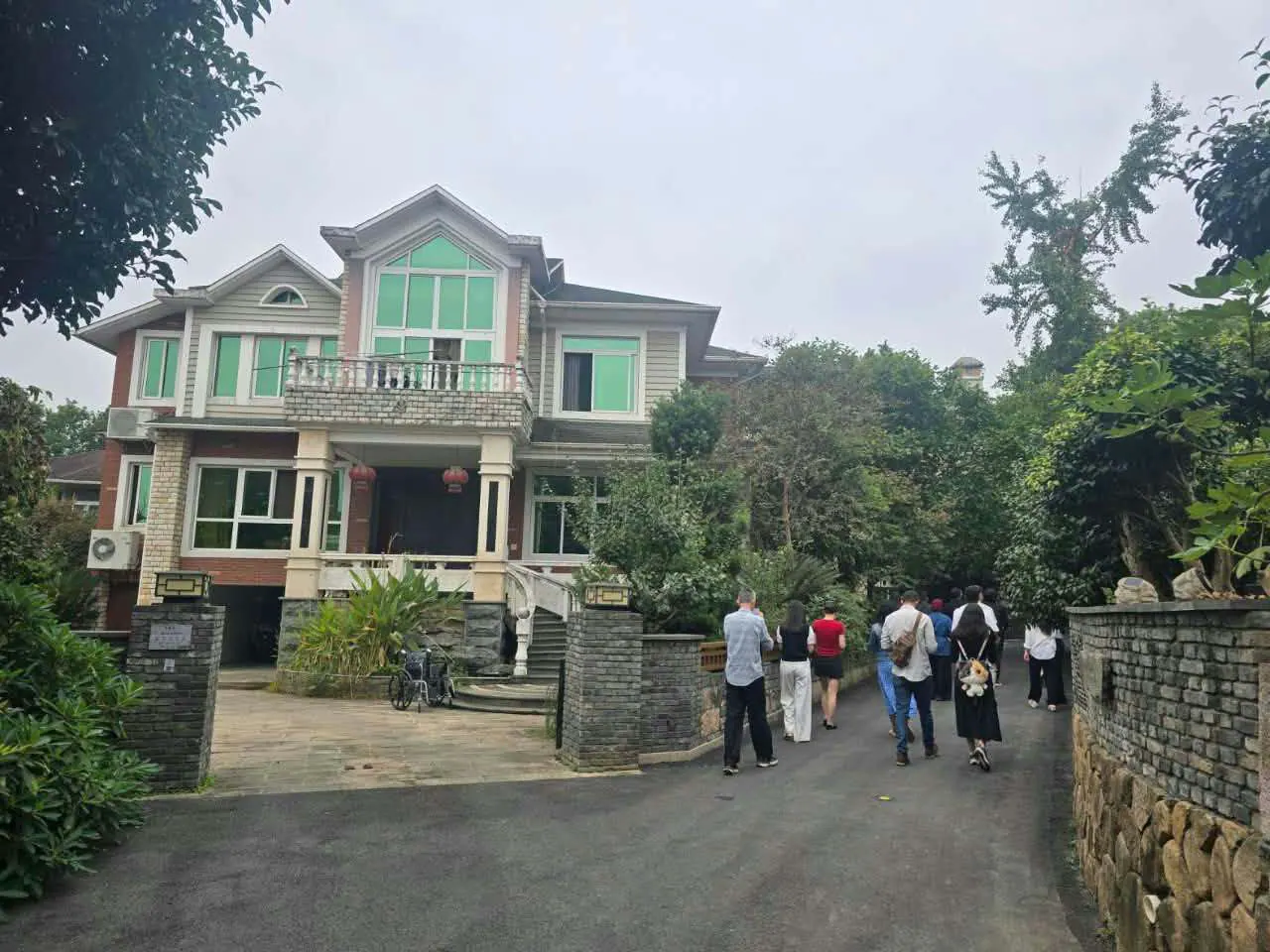
In the rural areas of Zhejiang, China, a remarkable transformation has taken place. Villages that were once ordinary and struggling have evolved into thriving tourist destinations, generating significant income for their residents. This change was not driven by large-scale industrial projects or massive investments, but rather by the creative initiatives of the villagers themselves. By leveraging their local resources, such as tea farms, vegetable gardens, and traditional architecture, these villages have created new sources of income and become attractive tourist spots.
One such village is Litzu, located in the city of Yiwu. Twenty years ago, Litzu was a typical rural village, but it began to change in 2004 when the government initiated a development program. The villagers, however, did not wait for external investments; instead, they took matters into their own hands. They started small businesses, such as tea houses, restaurants, and shops selling local products. The village's transformation was further boosted in 2017, when the government launched a new development plan. Today, Litzu welcomes over a million tourists annually, generating substantial revenue for its residents.
The success of Litzu can be measured in impressive numbers. The average annual income of a villager, which was less than 5,000 yuan in 2003, rose to 52,000 yuan in 2022 and reached 70,000 yuan in 2025. The village's approach to development is characterized by a bottom-up approach, where residents are actively involved in decision-making and planning. This has fostered a sense of ownership and responsibility among the villagers, who are now committed to preserving and improving their community.
Another village, Xiaogutchen, has also undergone a remarkable transformation. The villagers decided to lower the high walls that surrounded their homes, creating a more open and welcoming environment. This change was not just aesthetic; it also facilitated communication and interaction among residents and visitors. The village has also introduced innovative initiatives, such as a digital platform for selling local products and a system of points that rewards residents for their contributions to the community.
In Xiaogutchen, residents have also found creative ways to generate additional income. For example, some have opened their courtyards to visitors' cars, charging a small fee for parking. Others have created a cooperative garden, where they grow and sell vegetables to tourists. The village's approach to development is based on the principle of "people's matters are discussed and solved by the people." This has created a strong sense of community and social cohesion.
The village of Jingshan has become a major tourist destination, thanks to its tea farms. Visitors can participate in tea harvesting, processing, and tasting, and then purchase local products. The tea industry has not only generated new income streams but also become an integral part of the village's culture and identity. The village's transformation has also had a positive impact on the local environment, with the introduction of sustainable agricultural practices and eco-friendly infrastructure.
The transformation of these villages has also led to the creation of new social and cultural dynamics. For example, the village of Jiemingshan has become a "community of nations," with over 30,000 residents from diverse backgrounds, including foreigners. The village has introduced language classes, cultural events, and community programs to foster integration and social cohesion. This has created a unique and vibrant community that celebrates diversity and promotes mutual understanding.
Key points
- The villages' transformation was driven by the creative initiatives of the villagers themselves, who leveraged local resources to create new sources of income.
- The approach to development was characterized by a bottom-up approach, where residents were actively involved in decision-making and planning.
- The villages' success has been measured in impressive numbers, with significant increases in income and tourism.