Many women experience persistent fatigue, lethargy, and weakness, even after getting sufficient sleep. This can be attributed to a lack of essential nutrients, primarily iron. Dr. Huda Madhat, a clinical nutritionist, explains that iron deficiency can cause fatigue, decreased activity, and weakness. Women are more prone to losing iron due to menstruation, pregnancy, and childbirth, as well as inadequate dietary intake.
Iron is a vital component of hemoglobin, a protein in red blood cells that transports oxygen to tissues and organs. Low iron levels can reduce the blood's ability to deliver oxygen efficiently, leading to symptoms such as fatigue, dizziness, poor concentration, and pale skin. In severe cases, iron deficiency can develop into iron-deficiency anemia. Dr. Madhat recommends incorporating various iron-rich foods into the diet to support the body's iron stores and maintain energy levels.
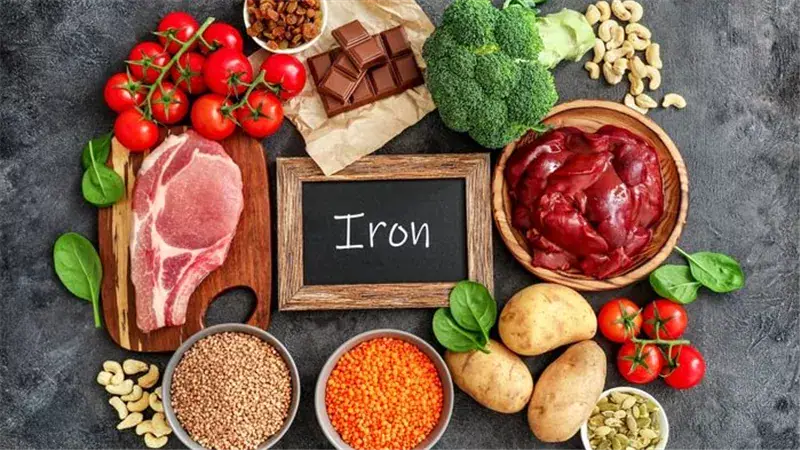
Organ meats, such as liver, are among the richest animal sources of iron. Liver, particularly beef liver, contains heme iron, which the body can absorb more easily than non-heme iron found in plant-based sources. Additionally, liver provides vitamin B12, which contributes to the formation of red blood cells and maintains nervous system function. However, it is essential to consume liver in moderation, especially during pregnancy, due to its high pre-formed vitamin A content.
Red meat is another important dietary source of iron, along with protein, zinc, and vitamin B12. These nutrients are necessary for maintaining normal bodily functions and producing red blood cells. Opting for lean cuts of red meat and incorporating them into weekly meals can help support iron intake. Other iron-rich foods include lentils, which are an affordable and nutritious plant-based option, providing fiber, protein, and folic acid.
Leafy green vegetables, such as spinach, are also rich in non-heme iron, along with folic acid and various vitamins and plant compounds. Other leafy greens like molokhiya, parsley, and rocket can be added to meals to increase iron intake. Legumes, including chickpeas, white beans, and fava beans, provide non-heme iron, fiber, and protein, making them a nutritious addition to meals.
Nuts and seeds, such as pumpkin seeds and sesame seeds, are good sources of iron and can be easily incorporated into the diet. These seeds can be added to salads, yogurt, or oatmeal, but should be consumed in moderation due to their high calorie content. Fatty fish, like sardines, and shellfish, such as oysters, are also rich in iron and provide protein, vitamin B12, and omega-3 fatty acids.
To maximize iron absorption, Dr. Madhat recommends consuming vitamin C-rich foods, such as citrus fruits, kiwi, and bell peppers, alongside iron-rich foods. Avoiding tea and coffee immediately after meals and maintaining a balanced diet with adequate protein, vitamin B12, and folic acid can also support iron levels. If fatigue persists despite dietary changes, it is essential to consult a doctor to rule out underlying health conditions.
Key points
- Women can combat fatigue by incorporating iron-rich foods into their diet.
- Iron deficiency can cause fatigue, decreased activity, and weakness.
- A balanced diet with iron-rich foods and vitamin C can support iron absorption and overall health.