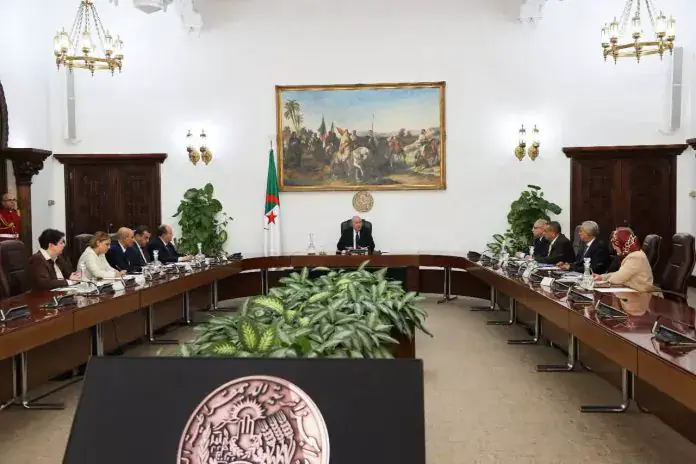
Algerian President Abdelmadjid Tebboune recently chaired a meeting to launch a project to build a lithium battery factory. According to a statement from the Presidency, Professor Karim Zaghib was appointed to lead the project, focusing on technical and technological aspects. The project is supervised by the Ministry of Energy and Renewable Energies through Sonelgaz International. This initiative aims to leverage Algeria's integrated ecosystem and critical minerals.
Professor Zaghib expressed his enthusiasm for the project, describing the meeting with President Tebboune as exceptional. The project involves producing a mixture of iron and phosphate, which is transformed into cathodes for lithium-ion batteries. The goal is to accelerate production and create a battery factory with a capacity of 5 GWh. This will not only cater to electric vehicles but also energy storage, with ambitions to expand to international markets.
The lithium battery project is considered a major development in Algeria's energy sector. With Professor Zaghib's expertise, the country aims to capitalize on its natural resources and technological capabilities. The project's scope extends beyond local needs, targeting markets in Africa, Europe, North America, and Asia, including China. Algeria's strategic position and resources make it an attractive player in the global lithium battery market.
The Algerian government is keen on diversifying its economy and investing in renewable energy. The lithium battery project aligns with these goals, promoting sustainable development and reducing dependence on fossil fuels. By harnessing its mineral wealth, Algeria can create new economic opportunities and strengthen its international presence.
Professor Zaghib's appointment as project leader underscores the importance of expertise in driving innovation. His experience in chemistry, particularly in phosphate-iron, will be crucial in navigating the project's technical challenges. The collaboration between the government, Sonelgaz International, and Professor Zaghib's team will be vital in ensuring the project's success.
The project's timeline and budget have not been disclosed, but its potential impact on Algeria's economy and energy sector is significant. A successful lithium battery factory could create jobs, stimulate local industries, and contribute to the country's economic growth. As Algeria expands its renewable energy capacity, it can also explore new markets and partnerships.
Algeria's foray into lithium battery production marks a new chapter in its economic development. With careful planning and execution, the project can help the country achieve its energy and economic goals. As the project progresses, stakeholders will be watching closely to assess its feasibility and potential for growth.
Key points
- Algeria aims to create a lithium battery factory with a capacity of 5 GWh.
Reporting sources
- LE PROFESSEUR KARIM ZAGHIB COMME CHEF DU PROJET : L’Algérie fabriquera la batterie au lithium · lecourrier-dalgerie.com