The United Nations Educational, Scientific and Cultural Organization (UNESCO) has warned of a rise in unpunished killings of journalists, with 86% of cases going unresolved. This marks a one-percentage-point increase in the global indicator, which had been on a downward trend since 2012. According to UNESCO, this development reflects ongoing challenges in achieving justice in these cases. The organization released its findings on November 2, on the occasion of the International Day to End Impunity for Crimes against Journalists.
UNESCO's report, published on November 2, notes that the global impunity rate for journalist killings has increased to 86%, up from 85% in 2024. This rate had peaked at 95% in 2012 before declining. The organization defines impunity as cases where investigations have not yielded results or are still ongoing. This means that six out of seven individuals involved in killing journalists escape justice. The report highlights that investigations and prosecutions related to journalist killings in conflict zones remain inadequate.
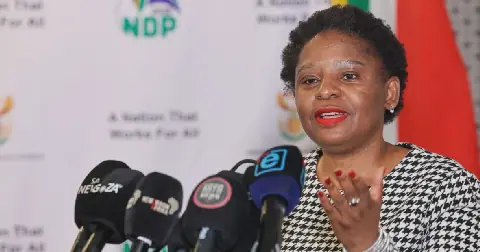
Assistant Director-General for Communication and Information at UNESCO, Maria Gabriel, emphasized that despite the organization's lack of judicial authority, it is working to pressure governments to ensure justice and accountability for these crimes. The report, published every two years, recorded 189 journalists, media professionals, and social media content creators killed in 2024 and 2025, including 14 women. This period is considered the most violent for journalists in the past decade.
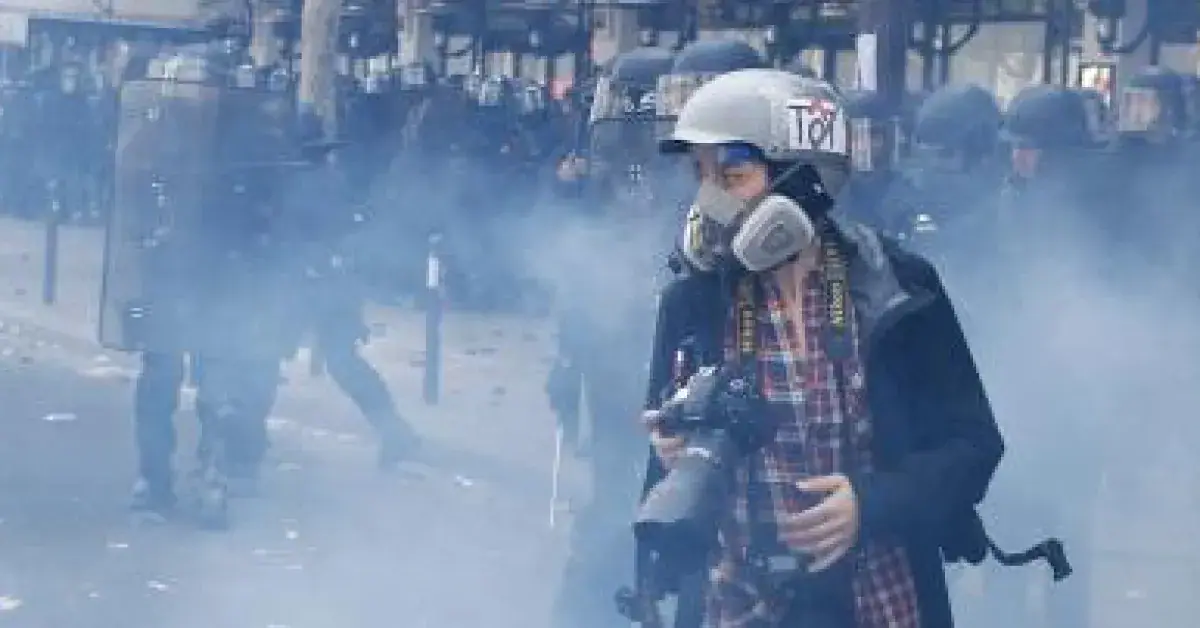
Conflict zones accounted for the majority of journalist killings, with approximately two-thirds (67%) of victims killed in areas experiencing armed conflict, including the Palestinian territories, Yemen, and Ukraine. Gabriel noted this as a significant shift in the global landscape of risks faced by journalists. The report also highlighted the growing use of drones in targeting journalists, which were responsible for 26% of total killings recorded in 2024 and 2025.
The report identified Palestine as having the highest number of journalist killings in 2025, with at least 32 cases. Journalists continue to be targeted while in their homes or wearing vests clearly indicating their profession, despite these markings being intended to provide protection. Since 2006, when UNESCO began monitoring journalist killings, a total of 1641 journalists have been killed worldwide, with one death occurring every four days.
UNESCO noted that some figures in its report differ from those published by the Committee to Protect Journalists or Reporters Without Borders, citing difficulties in assessing circumstances of death in some cases due to the changing nature of conflicts and complexities in verifying details. The organization's findings underscore the ongoing risks faced by media professionals, particularly in conflict zones and areas of tension.
The report's release coincides with the International Day to End Impunity for Crimes against Journalists, highlighting the need for greater accountability and justice for crimes committed against journalists. UNESCO's work aims to shed light on these issues and push for improved protections and prosecutions for those responsible for attacks on journalists.
Key points
- 86% of journalist killings go unpunished, according to UNESCO's latest report.
- Conflict zones account for 67% of journalist killings, with Palestine recording the highest number of cases in 2025.
- The use of drones in targeting journalists is on the rise, responsible for 26% of killings in 2024 and 2025.