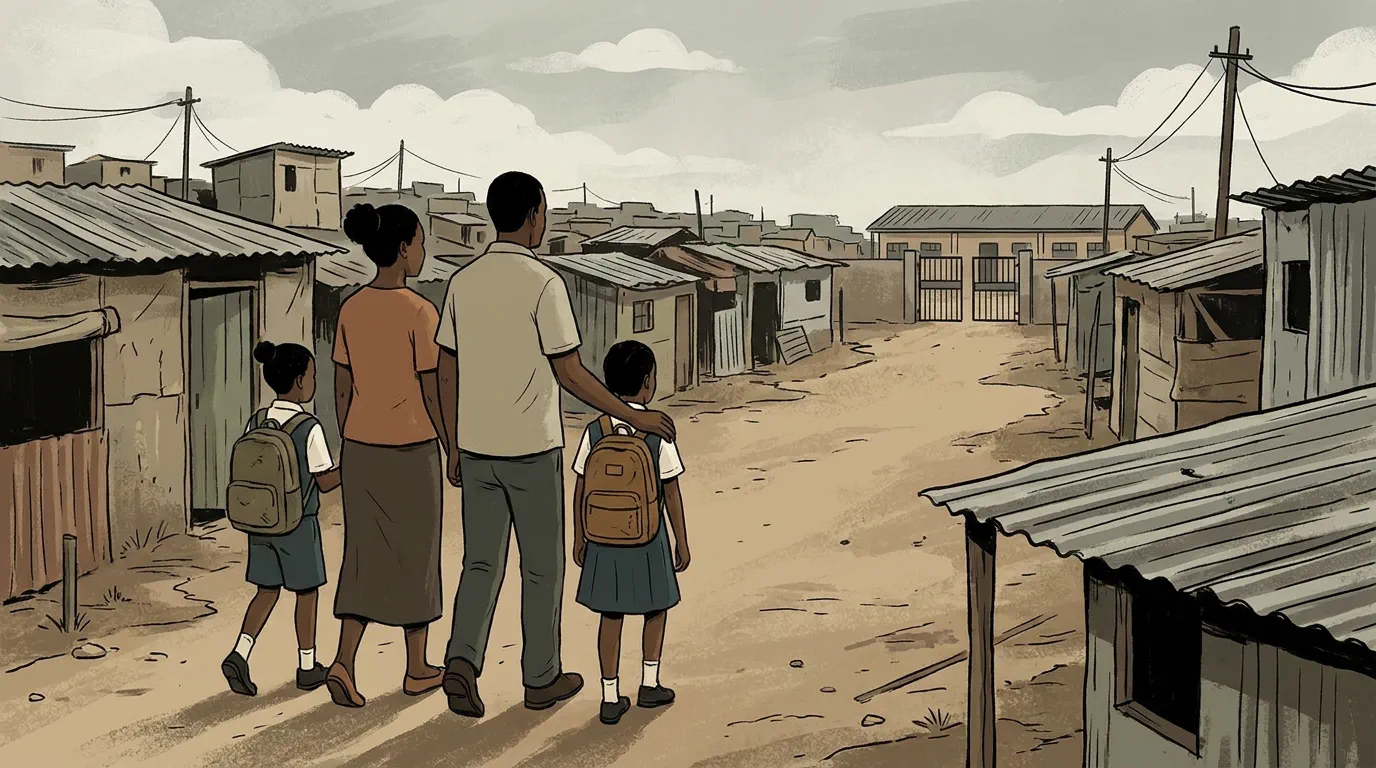
A recent survey conducted by the Elimu Bora Working Group has revealed that school development levies have had a devastating impact on families in Kenya. The survey, which covered 388 parents, guardians, and grandparents across 11 counties, found that 83.3pc of households affected by development levies reported that their learners were either sent home or threatened with being sent home. This has raised concerns about the government's ability to ensure that all children have access to free and compulsory basic education.
The survey found that development levies were the charge most commonly enforced by sending learners home. In some cases, families reported paying between Sh50,000 and Sh60,000 in development levies. The survey also found that remedial tuition and motivation fees affected 49.2pc of households, with both categories carrying a median charge of Sh5,000. These extra charges have put a significant burden on families, particularly those with low incomes.
According to the survey, the overall share of learners sent home or denied lessons over unpaid extra charges was 45.9pc. The burden was heavier among day-school learners, with 64.9pc being sent home or barred from class over levies, compared with 40.5pc in boarding schools. The survey also found that learners from households earning less than Sh10,000 a month were sent home at least occasionally in 61.3pc of cases, against 23.1pc for households earning between Sh30,001 and Sh60,000.
The survey also highlighted the impact of extra levies on learners. Among day scholars, 60.6pc missed school days, 51.1pc missed examinations or tests, 48.9pc lost motivation to attend, and 42.6pc reported discrimination over unpaid levies. The survey noted that these actions can affect learners after secondary school by making it difficult to access higher education and employment.
The Elimu Bora Working Group has called on the Ministry of Education to urgently audit school fee structures and act against institutions imposing illegal levies. The group also wants full and timely capitation and confidentiality mechanisms for parents who report the charges. According to the survey, more than nine in 10 households had either paid an illegal levy in 2025, expected to pay one in 2026, or expected to pay more than the gazetted fee.
The findings of the survey are against the constitutional guarantee of free and compulsory basic education, which bars denying a child lessons, examinations, or the chance to complete school because their family cannot pay an illegal levy. The government pays Sh22,000 per student to keep them in school, according to the survey report. The survey documented cases where schools withheld certificates or declined to clear learners, particularly Form 4 candidates, until the charges were settled.
The Elimu Bora Working Group has expressed concern that illegal levies are a barrier to the right to education. The group said that the government must not allow schools to impose them and then punish children for their parents' inability to pay. The survey report recommended that the government take action to address the issue of illegal levies and ensure that all children have access to free and compulsory basic education.
Key points
- 83.3pc of households affected by development levies reported that their learners were either sent home or threatened with being sent home.
- The survey found that development levies were the charge most commonly enforced by sending learners home.
- The Elimu Bora Working Group has called on the Ministry of Education to urgently audit school fee structures and act against institutions imposing illegal levies.