A coalition of 80 countries has urged the United Nations to restore freedom of navigation in the Gulf region, which has been disrupted since the US-Israel war on Iran began in February. The call was made through a joint statement read by Bahraini Foreign Minister Abdul Latif bin Rashid Al Zayani. The statement emphasized the need to restore the full rights and principles of navigation without delay. This comes as the region faces significant disruptions to maritime trade.
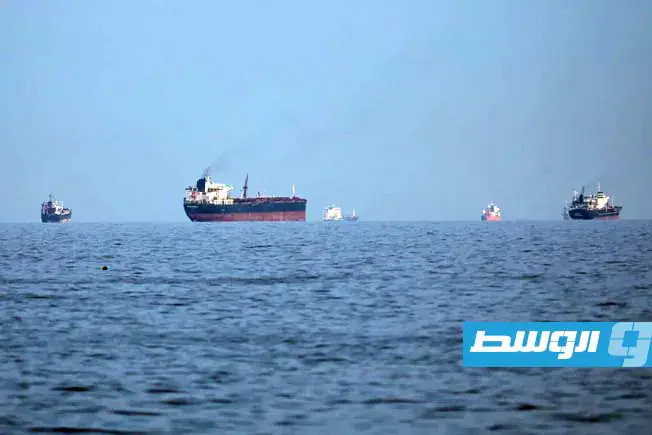
The Gulf region, particularly the Strait of Hormuz, has seen increased tensions and disruptions to navigation. Before the war, the strait was a critical passage for over 20% of global oil and natural gas supplies. Iran has asserted control over the strait, claiming it will not allow vessels to pass without permission. In response, the US has imposed a blockade on Iranian ports. These developments have raised concerns about the security of maritime trade in the region.
In April, British Foreign Secretary Ivet Cooper announced that around 40 countries participated in a video conference to discuss the crisis in the Strait of Hormuz. The participants called for the immediate and unconditional reopening of the strait, emphasizing the importance of respecting the fundamental principles of freedom of navigation and the law of the sea. The UK and other nations have expressed their commitment to using diplomatic and economic means to resolve the crisis.
The crisis in the Strait of Hormuz has significant implications for the global economy. The strait is a vital passage for oil and natural gas supplies, and any prolonged disruption could have far-reaching consequences. The international community has expressed concern about the situation, with many countries calling for a peaceful resolution. Diplomatic efforts are ongoing to address the crisis and restore stability to the region.
The US-Israel war on Iran has had far-reaching consequences for the region. The conflict has led to increased tensions between Iran and other countries, including the US and its allies. The situation remains volatile, with concerns about the potential for further escalation. The international community continues to watch the situation closely, urging restraint and a peaceful resolution.
China has also weighed in on the crisis, calling on Iran to take effective measures to reopen the Strait of Hormuz. China has significant economic interests in the region and has urged all parties to exercise restraint and engage in dialogue. The crisis has highlighted the need for a peaceful and diplomatic resolution to the conflict.
The situation in the Gulf region remains complex and volatile. The international community continues to call for a peaceful resolution to the crisis, emphasizing the importance of restoring freedom of navigation and stability to the region. Diplomatic efforts are ongoing, with many countries working to find a solution that addresses the concerns of all parties involved.
Key points
- A coalition of 80 countries has urged the UN to restore freedom of navigation in the Gulf region.
- The crisis in the Strait of Hormuz has significant implications for the global economy.
- Diplomatic efforts are ongoing to address the crisis and restore stability to the region.