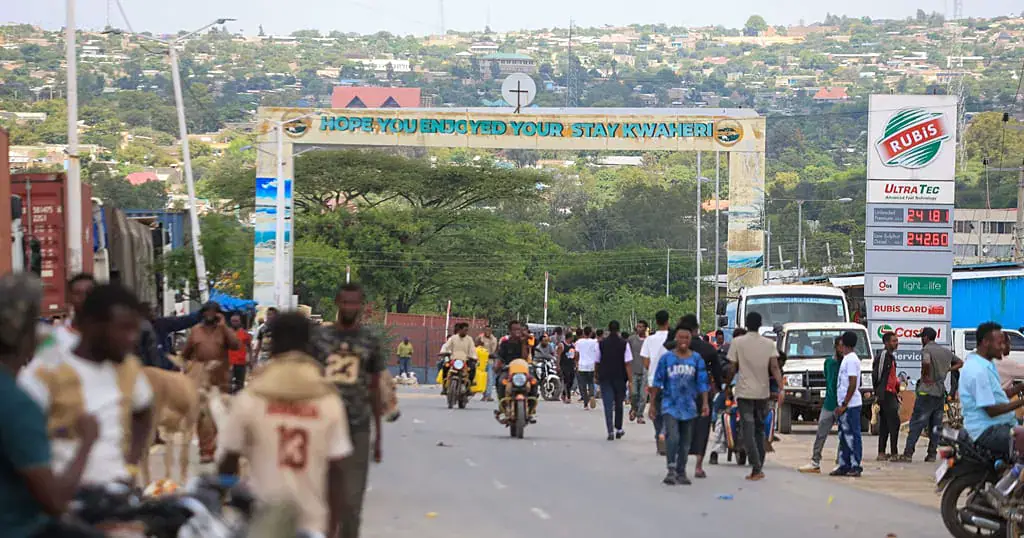
A recent report by British NGO Islamic Relief states that approximately 700,000 people have been displaced from their homes in southern Ethiopia due to volatile conflict. The clashes, which began in late October, are between members of the Oromo and Ethiopian Somali communities. The conflict started over a dispute on who controls the southern town of Moyale, located on Ethiopia's border with Kenya.
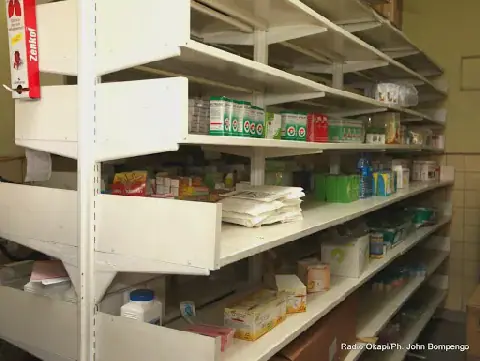
The fighting has now spread up to 300 kilometres from Moyale along the Kenya, Somalia, and Ethiopian border, involving heavy weaponry. According to Kedir Musema Hameza, head of Islamic Relief's Ethiopia programme, the conflict is driven by two ethnic groups competing for land and wealth. The NGO reports widespread destruction of homes, businesses, and petrol stations, as well as disruption of essential services such as health, water, and sanitation.
The situation has led to a significant humanitarian crisis, with approximately 50,000 people fleeing into Kenya and placing additional pressure on local services and host communities. Islamic Relief warns that access to the affected locations has been challenging, which may exacerbate the crisis. The NGO is working to provide aid to those affected, but the situation remains volatile.
The Ethiopian government, led by Prime Minister Abiy Ahmed, has not commented on the violence. The conflict highlights the ongoing issues with regional borders in Ethiopia, which have been a frequent source of conflict. The 1995 constitution set the current regional borders, but tensions have persisted, particularly in regions such as Amhara and Oromia.
This is not an isolated incident, as Ethiopia currently faces multiple internal conflicts. Just weeks ago, fighting erupted in Tigray, hundreds of kilometres to the north, when rebels and government forces clashed. There have also been long-running insurgencies in Amhara and Oromia, displacing hundreds of thousands of people.
The conflict in southern Ethiopia has significant implications for regional stability and humanitarian aid efforts. With the situation remaining volatile, there is a risk of further escalation and humanitarian crises. The international community is closely monitoring the situation, and aid efforts are underway to support those affected.
The ongoing conflicts in Ethiopia highlight the need for sustainable solutions to address the root causes of the tensions. The government and international community must work together to address issues such as land and wealth distribution, regional borders, and ethnic tensions to prevent further conflict and humanitarian crises.
Key points
- Around 700,000 people displaced due to clashes between Oromo and Ethiopian Somali communities in southern Ethiopia
- Conflict driven by competition for land and wealth between two ethnic groups
- Situation poses significant humanitarian risks, with 50,000 people fleeing into Kenya