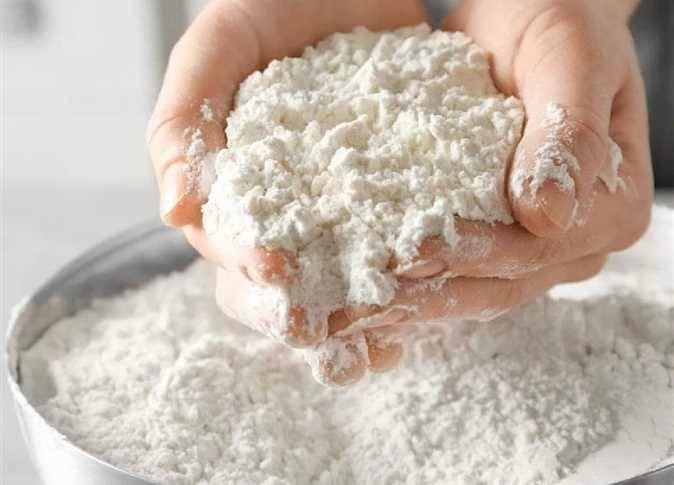
Flour is a staple ingredient in many baked goods and pastries, but handling it improperly can impact the texture of the dough and overall outcome of a recipe. According to a report on BBC Food, common mistakes include measuring flour inaccurately, adding too much at once, and using the wrong type for a specific recipe. These errors can lead to undesirable results, making it essential for bakers to be aware of them.
One of the most common mistakes is measuring flour incorrectly. This occurs when flour is scooped directly from the bag into a measuring cup and packed down, resulting in using more than required. Instead, flour should be gently spooned into the measuring cup and leveled off, especially in recipes that rely on precise measurements. This ensures that the right amount of flour is used, which is crucial for achieving the right texture.
Adding excessive amounts of flour at once is another mistake to avoid. When dough initially appears sticky, some bakers tend to add too much flour, leading to a tough and dry final product. To prevent this, flour should be added gradually while monitoring the dough's consistency during kneading. This approach allows for adjustments to be made as needed, ensuring the dough develops as intended.
Using the wrong type of flour for a specific recipe can also impact the outcome. Different types of flour are suited for various baked goods, such as bread, pastries, or desserts. It's essential to use the type of flour specified in the recipe to achieve the best results. Substituting one type of flour for another can alter the texture and flavor of the final product.
Not sifting flour when necessary is another common mistake. Sifting flour helps to break up lumps and incorporate it evenly with dry ingredients, particularly in recipes for cakes and some desserts. This process also ensures that ingredients like baking powder or cocoa powder are distributed uniformly, resulting in a better-textured final product.
Over-kneading dough is a mistake that can lead to undesirable results. While some dough requires kneading to develop the right texture, excessive kneading can cause the dough to become tough. The kneading time varies depending on the recipe, and it's essential to stop kneading when the dough has reached the desired consistency.
Using too much flour to prevent sticking and ignoring flour storage are also mistakes to avoid. When dough sticks to surfaces or hands, adding excessive amounts of flour can make it dry and hard. Instead, a small amount of flour can be used, or the appropriate method for handling the dough can be followed. Additionally, flour should be stored in a cool, dry place, away from moisture and strong odors, to maintain its quality.
Key points
- Measuring flour accurately is crucial for achieving the right texture in baked goods.
- Using the wrong type of flour can impact the outcome of a recipe.
- Over-kneading dough can lead to a tough final product.