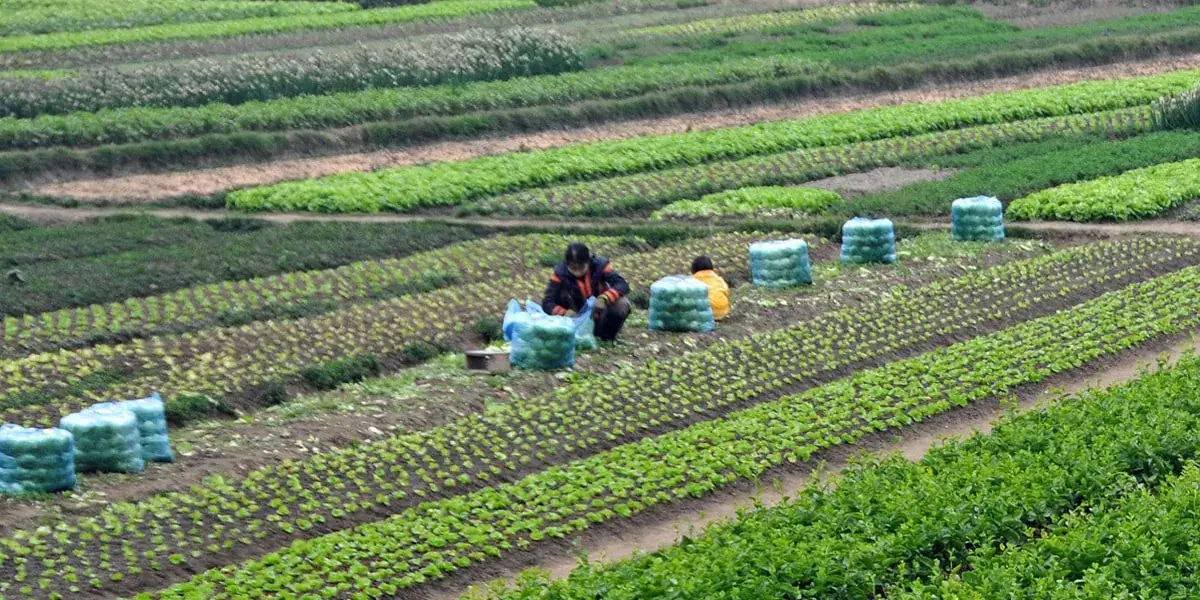
The Tunisian Ministry of Agriculture's program to analyze soil samples has found that a majority of the country's agricultural lands have sufficient phosphorus levels. According to Rafeâ Atia, Director of Soil Resources at the Ministry, 60% of the lands analyzed have enough phosphorus and do not require intensive fertilization. This program covered 20,000 hectares and involved collecting 3,800 soil samples from 17 governorates.
The analysis focused on determining the available phosphorus in the soil to identify the actual fertilizer needs of each plot. The results showed significant regional differences in phosphorus levels. This variability highlights the need for an approach tailored to the characteristics of each farm, rather than relying on standard fertilizer application rates.
Some farmers tend to use large amounts of fertilizer, believing it is necessary for better yields. However, if the soil already has sufficient phosphorus, additional fertilizer applications may not provide significant benefits and can lead to unnecessary expenses. The program aims to guide farmers on the optimal amount of fertilizer to use based on soil analysis results.
The Ministry has developed a digital platform that centralizes data on farmers, their farm coordinates, and cultivated areas. This system will associate analysis results with each plot and provide farmers with technical recommendations on fertilizer application rates via a mobile application. This approach could help reduce production costs, limit agricultural input waste, and improve farm productivity.
The Ministry plans to make this campaign an annual operation, gradually expanding the covered areas and generalizing the use of the digital application across all regional agricultural development commissions. The goal is to make soil analysis a standard practice in Tunisian agriculture, as the cost of inputs affects farmers' expenses.
A more targeted fertilization approach can help preserve farmers' financial resources while avoiding unnecessary fertilizer applications. By adopting this practice, farmers can optimize their fertilizer use, reduce costs, and contribute to more sustainable agricultural practices. The program's findings can also inform policy decisions and support the development of more effective agricultural strategies.
The Tunisian Ministry of Agriculture's initiative aims to promote more efficient fertilizer use, reduce waste, and improve agricultural productivity. By leveraging soil analysis and digital technologies, the Ministry hopes to support farmers in making informed decisions about fertilizer applications, ultimately contributing to the country's food security and sustainable agricultural development.
Key points
- 60% of Tunisian agricultural lands analyzed have sufficient phosphorus levels, reducing the need for intensive fertilization.
- The Ministry of Agriculture plans to expand the soil analysis program to make it an annual operation, covering more areas and using digital applications.
- A targeted fertilization approach can help farmers reduce costs, limit waste, and improve productivity.