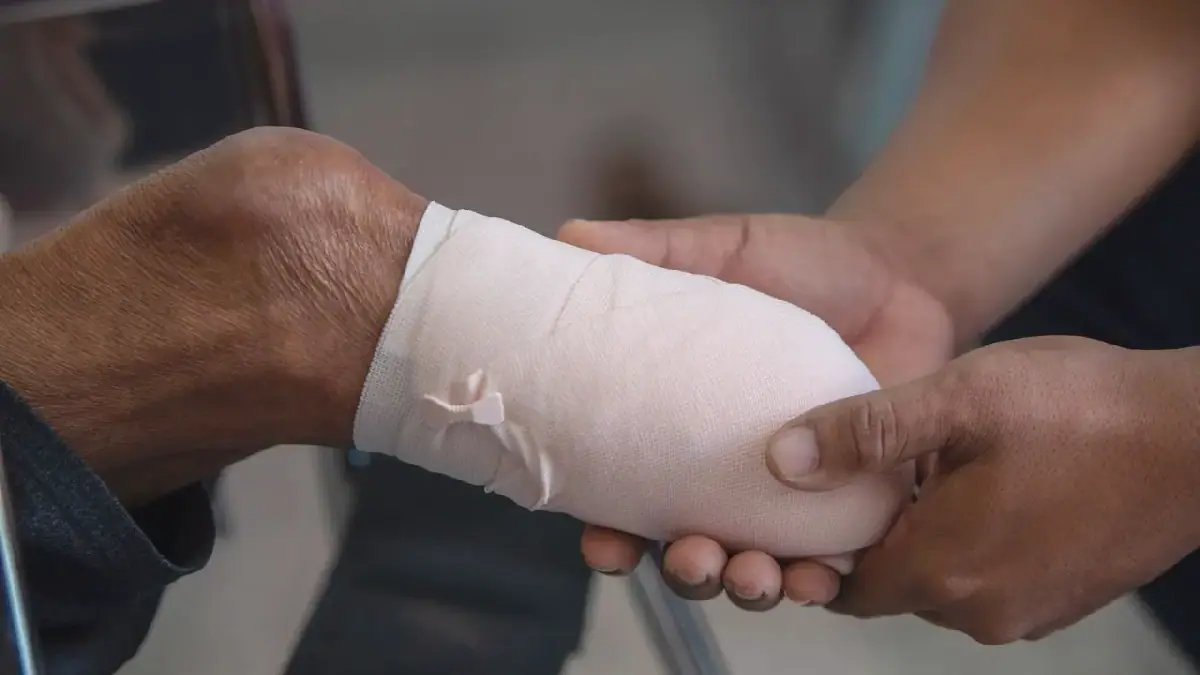
In 2024, a total of 596 amputations were performed on diabetic patients in Mauritian public hospitals, according to the Health Statistics Report 2024. This includes 371 first amputations and 225 re-amputations, accounting for 90.2% of the 661 non-traumatic amputations recorded. These interventions concerned 520 patients, either diabetic or not, with some undergoing multiple operations.
The number of patients undergoing amputations and the number of interventions have decreased, with 630 patients affected in 2020, resulting in 883 interventions. Despite this decline, the situation remains concerning. Dr. Mohammad Yaasir Ozeer, a consultant in endocrinology, emphasizes that many amputations could have been avoided with proper diabetes management, regular medical check-ups, and daily foot monitoring.
On the occasion of World Diabetes Day, themed "Act early against diabetes," Dr. Ozeer stresses the importance of early screening and regular follow-up. This message aligns with that of Dr. Mohamed Janabi, regional director of the World Health Organization (WHO) for Africa, who notes that diabetes affects millions of people in Africa, with many being unaware of their condition until severe complications arise.
According to the International Diabetes Federation (IDF), approximately 24.6 million adults aged 20-79 lived with diabetes in the African region in 2024, with this number expected to reach 59.5 million by 2050. Furthermore, nearly three out of four adults with diabetes in this region are unaware of their condition, representing the highest proportion globally.
Dr. Ozeer explains that poorly controlled diabetes can progress silently for years without noticeable symptoms, leading to complications such as kidney damage, vision loss, nerve damage, and vascular problems. These complications can ultimately result in amputations, particularly if patients do not adhere to recommended treatments and lifestyle changes.
To mitigate these risks, Dr. Ozeer emphasizes the importance of regular medical check-ups, including retinal exams, blood tests, and foot care. Patients with a high risk of complications may require more frequent monitoring, every three to six months. However, some patients fail to attend scheduled appointments or follow medical recommendations, which can exacerbate their condition.
The specialist also highlights the role of family and friends in monitoring patients' condition, particularly those with decreased sensitivity in their feet. Early detection of anomalies and prompt medical attention can significantly reduce the risk of severe complications. By adopting a healthy lifestyle, adhering to treatment plans, and engaging in regular medical follow-up, patients can minimize the risks associated with diabetes.
Key points
- Many amputations due to diabetes can be prevented through early screening and regular medical follow-up.
- Diabetes affects millions of people in Africa, with a significant proportion being unaware of their condition until severe complications arise.
- The number of people living with diabetes in Africa is expected to increase significantly by 2050, emphasizing the need for awareness and preventive measures.
Reporting sources
- Diabète : 596 amputations dans les hôpitaux publics en 2024 · Le Défi Plus