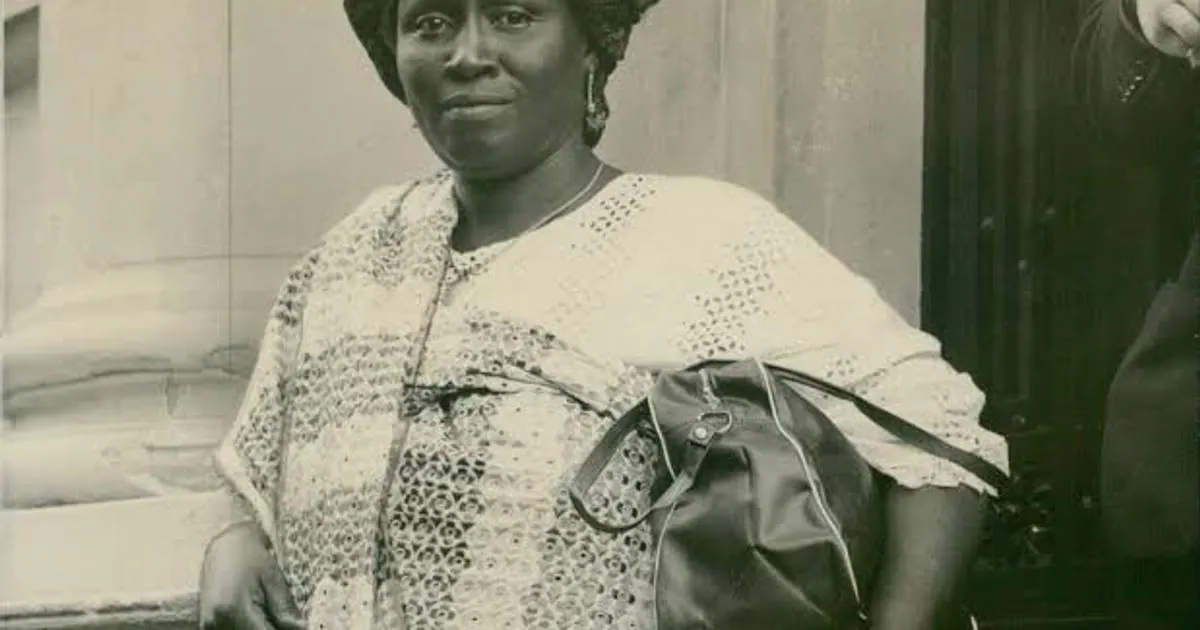
As Nigeria marks its independence, it is often the men who are remembered for their roles in shaping the country's history. However, there were several women who made significant contributions to the country's struggle for independence and its aftermath. Five of these women are Funmilayo Ransome-Kuti, Margaret Ekpo, Gambo Sawaba, Tanimowo Ogunlesi, and Wuraola Esan. Their stories are a testament to the fact that Nigeria's independence was not achieved solely by men, but was a collective effort.
Funmilayo Ransome-Kuti was a pioneering figure in Nigeria's struggle for independence. She helped transform women's complaints about taxation and colonial administration into a mass political movement in Abeokuta. Her Abeokuta Women's Union grew to about 20,000 members, and the women protested taxation, demanded better treatment, and challenged the system that excluded them from decisions affecting their lives. Ransome-Kuti later helped build a national women's movement that pressed for women's representation, education, and voting rights.
Margaret Ekpo was another woman who played a significant role in Nigeria's struggle for independence. Her entry into politics was almost accidental, as she attended meetings on behalf of her husband, a medical doctor. However, she soon became an important nationalist and women's rights activist in eastern Nigeria. Ekpo organised women, challenged colonial policies, and became involved in constitutional conferences in Lagos and London that helped determine Nigeria's route towards independence.
Gambo Sawaba was a woman who refused to be silenced, despite the challenges she faced. She was imprisoned 16 times for her activism, but continued to campaign against child marriage, forced labour, and advocated education and greater political participation for women in northern Nigeria. Sawaba's activism was particularly difficult, given the social and political restrictions in the North at the time. However, she remained committed to her cause and continued to fight for women's rights.
Tanimowo Ogunlesi was an educationist and women's rights activist whose work connected education with the broader struggle for Nigerian self-determination. She founded the Children's Home School in Ibadan in 1948 and became involved in women's organisations and nationalist politics. In 1953, she travelled to Britain as the only woman in a Nigerian delegation involved in constitutional discussions about the country's future. Ogunlesi later became president of the National Council of Women's Societies in 1959, just one year before independence.
Wuraola Esan was a woman who carried the struggle for women's rights into independent Nigeria. She became the first woman to serve in Nigeria's Senate after independence and raised issues affecting women, including the political exclusion of women in Northern Nigeria and the economic importance of women petty traders. Esan's political career gave women a voice inside the institutions of the new Nigerian state and ensured that their concerns were not ignored.
The contributions of these five women to Nigeria's independence story are a reminder that the country's history was shaped by the collective efforts of men and women. Their stories highlight the important roles that women played in the struggle for independence and its aftermath. As Nigeria continues to celebrate its independence, it is essential to remember the sacrifices of these women and the impact they had on the country's history.
Key points
- Funmilayo Ransome-Kuti mobilised thousands of women in Abeokuta against colonial taxation and political exclusion.
- Margaret Ekpo became a powerful political voice in the East and served in the Eastern Region parliament from 1961 to 1965.
- Gambo Sawaba was imprisoned 16 times for her activism, but continued to fight for women's rights in northern Nigeria.