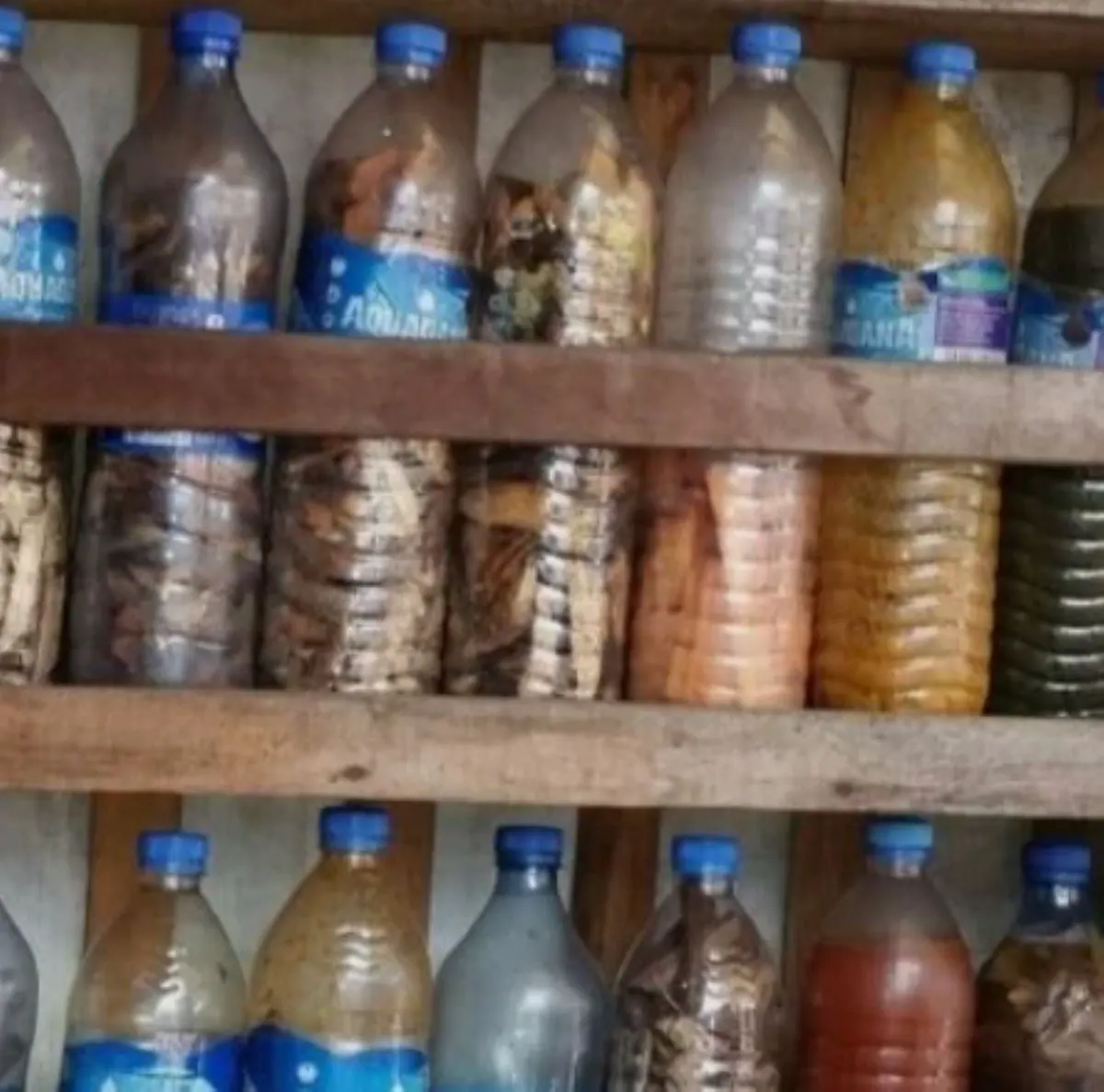
Herbal concoctions are a common practice in many Nigerian communities, where leaves, roots, bark, seeds, and other plant materials are prepared in different ways to treat various illnesses. However, the belief that herbal preparations are safer because they come from plants is widespread, but can be misleading. Plants contain active substances that can affect the human body, and a preparation can cause harm when the wrong plant is used, when too much is taken, when it is poorly prepared, or when it contains harmful contaminants.
One of the major health dangers of drinking herbal concoctions is that it can damage the liver. The liver is one of the body's major organs for processing substances that enter the bloodstream. Some substances found in plants can place stress on the liver, particularly when they are consumed in large quantities or for prolonged periods. A herbal concoction may contain several plants, and the person drinking it may not know the exact amount of each ingredient, which can lead to liver injury.
Herbal concoctions can also harm the kidneys, which help to filter waste products from the blood and remove them through urine. Some substances can place excessive strain on the kidneys or cause kidney injury, particularly when a person consumes a concentrated herbal preparation or takes large quantities over a long period. Contamination is also a concern, as plants can become contaminated by chemicals, microorganisms, heavy metals, or other harmful substances during cultivation, harvesting, processing, or storage.
Another danger of herbal concoctions is that they can cause poisoning and other toxic effects. A preparation can contain several plant materials with different chemical substances, and if the wrong plant is used or an unsafe quantity is included, the resulting mixture can become harmful. Some plants naturally contain compounds that can be toxic when consumed in sufficient amounts, and the method of preparation can also affect the substances present in the final preparation.
Herbal concoctions can also worsen an existing illness, particularly if a person has a condition affecting the heart, liver, kidneys, stomach, or another part of the body without knowing it. Taking a preparation containing substances that affect these organs may place additional stress on the body, and some herbal preparations may also have effects on blood pressure, blood sugar, heart rate, or other body processes.
Furthermore, herbal concoctions may contain contaminants or harmful substances, which can be introduced during cultivation, harvesting, processing, or storage. Poor handling, dirty equipment, and improper storage can also introduce microorganisms and other unwanted substances, and some products may also be adulterated, meaning that substances not declared to the consumer have been added.
In conclusion, while herbal concoctions may seem like a harmless way to treat illnesses, they can pose serious health risks, including liver and kidney damage, poisoning, and worsening existing illnesses. It is essential to be aware of these risks and to approach herbal preparations with caution, particularly if the person preparing the concoction is not a qualified practitioner.
Key points
- Herbal concoctions can cause liver and kidney damage due to the active substances present in plants.
- Herbal concoctions can cause poisoning and other toxic effects if the wrong plant is used or an unsafe quantity is included.
- Herbal concoctions can worsen existing illnesses, particularly if a person has a condition affecting the heart, liver, kidneys, stomach, or another part of the body.