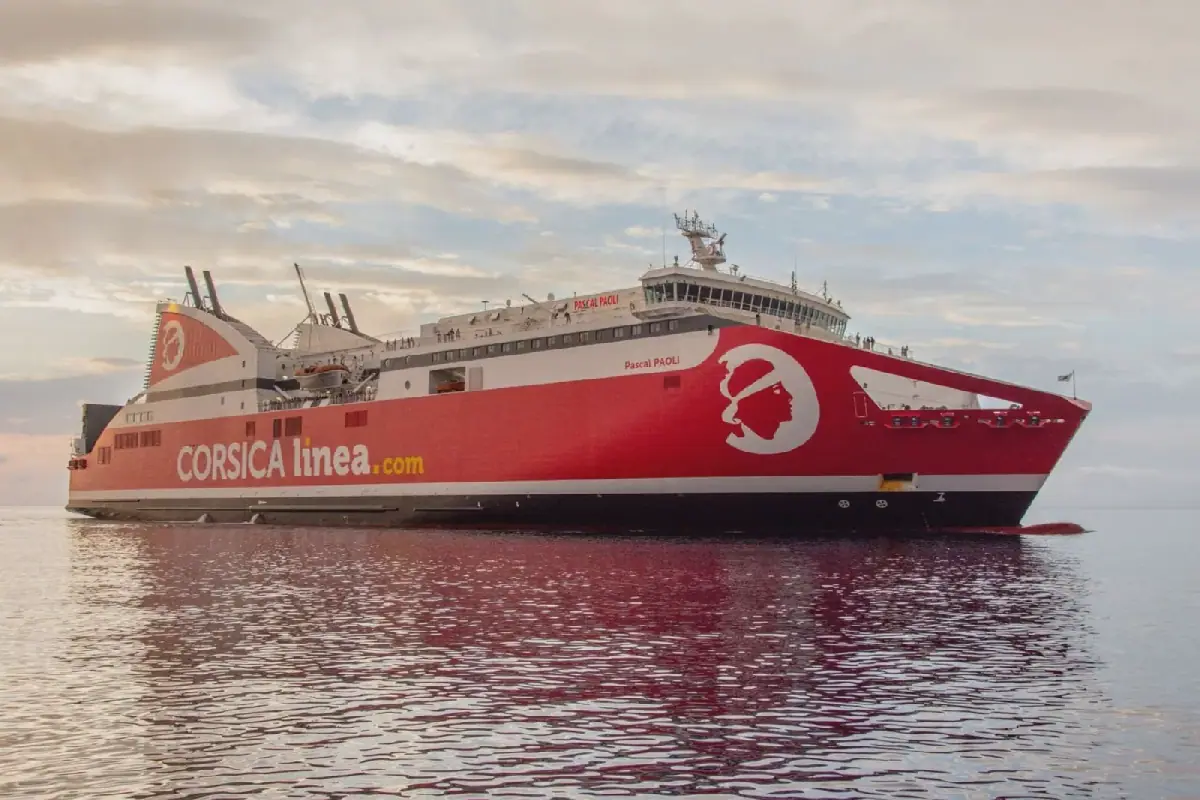
A 48-hour strike by the CGT union of Corsica Linea, a major maritime company operating between France and Algeria, is set to begin on September 29. The strike, which is reconductible, is part of a national call to action in the French public sector. The union cites concerns over an agreement between shareholders in the same sector, which they claim harms the general interest and employment under the French flag.
The CGT union claims that the agreement will lead to the immediate withdrawal of a ship, the suppression of two crews, and threaten 90 permanent contracts at Corsica Linea. The strike may also impact public service lines connecting Marseille to Propriano and Île-Rousse. The union is demanding a meeting with all stakeholders, including the president of the Corsican Transport Office, to discuss the situation.
The CGT has several key demands, including the abandonment of the affreting of the Massalia on public service lines to departmental ports. They also want a study on integrating new ships into the GNL at the Société d'Économie Mixte, which was deliberated in 2017. Furthermore, the union is seeking an exemption from the ETS system from 2027 for public service lines and a guarantee of financing for these lines until 2030.
The strike will not only affect maritime connections but also have a national impact, as public sector unions in France have called for a strike on September 29. These unions are demanding higher remuneration and the maintenance of public services. Corsica Linea operates connections to Algeria from Marseille and Sète, and the strike is likely to disrupt passenger travel in both directions.
According to Corsica Linea's schedule, only one crossing between Marseille and Algiers will be maintained on September 29, at 10 am. No other connections to Algeria are planned until October 6, 2026. On the second day of the strike, September 30, a single crossing between Algiers and Marseille will be operated, with no other returns planned until October 7, 2026.
The strike may have significant implications for travelers and the tourism industry. With Corsica Linea being a major player in the France-Algeria maritime connection, the disruptions may lead to changes in travel plans and economic losses. The company's decision to maintain limited services during the strike suggests an effort to minimize the impact on passengers.
As the strike begins, passengers and stakeholders will be watching closely for developments and potential negotiations between the CGT union and Corsica Linea management. The outcome of the strike and the union's demands will likely have a significant impact on the future of maritime connections between France and Algeria.
Key points
- The CGT union's strike may disrupt Corsica Linea's operations and impact travel between France and Algeria.
- The union's demands include the abandonment of the Massalia affreting and an exemption from the ETS system from 2027.
- The strike is part of a national call to action in the French public sector, with unions demanding higher remuneration and the maintenance of public services.