The training program, organized by the Senegalese Ministry of Agriculture, Food Sovereignty, and Livestock through the Program to Support the National Agricultural Investment Program of Senegal (PAPSEN), aimed to strengthen the capacities of community agricultural cooperatives. The program is part of the National Transformation Agenda Senegal 2050, which prioritizes community agricultural cooperatives as a key lever for achieving food self-sufficiency.
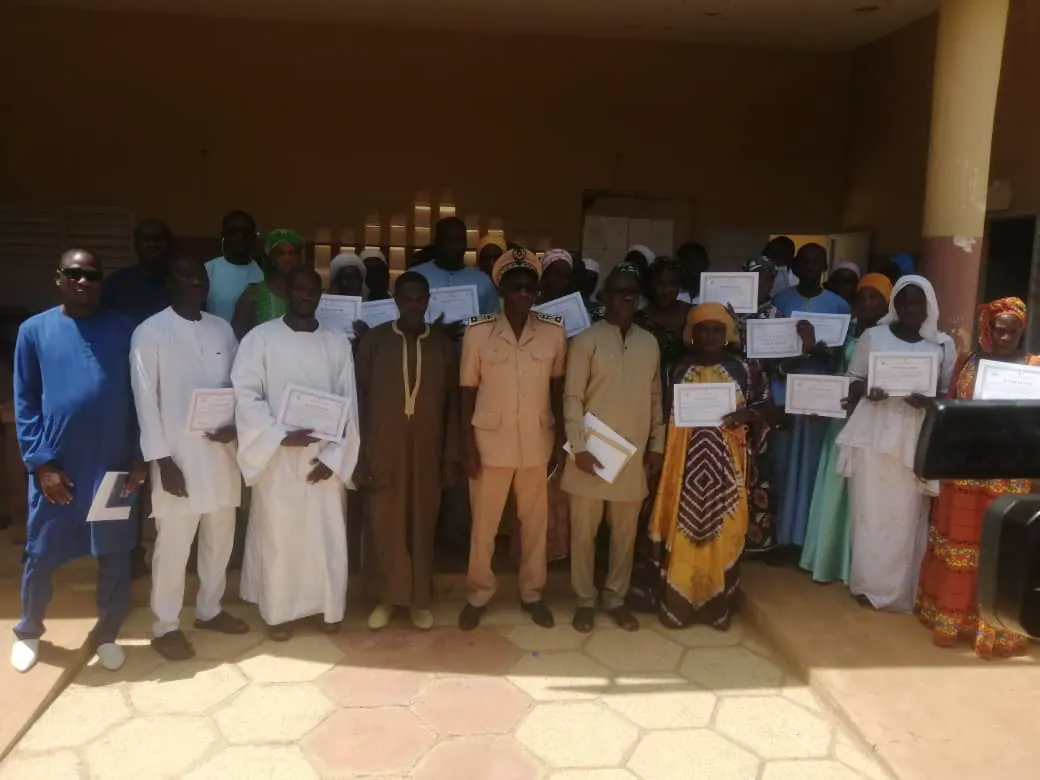
The training, which took place in Koul, in the Tivaouane department, brought together 42 actors from community agricultural cooperatives in the Merina Dakhar district. The program covered topics such as transformative leadership, administrative management, financial education, and cooperative functioning. The participants received their certificates of completion at a closing ceremony attended by local authorities, technicians, trainers, and beneficiaries.
The ceremony was presided over by Aly Koto Lakoune, deputy sub-prefect of the Merina Dakhar district, who congratulated the participants and highlighted the Ministry's commitment to empowering women. He emphasized that the training would enable the participants to acquire the skills needed to manage their cooperatives effectively. Lakoune also praised the efforts of the Ministry in creating farms and providing equipment to beneficiaries.
Modou Fall, mayor of Koul, encouraged the cooperative members to share their knowledge with other actors in the community. He stressed the importance of transparency in managing the cooperatives and commended the government's efforts in creating farms in the area. Fall also urged the participants to work towards achieving food sovereignty.
Kalidou Kane, coordinator of PAPSEN's central zone, explained that the training was aligned with the National Transformation Agenda Senegal 2050. He mentioned that PAPSEN, funded by the Italian-Senegalese cooperation program, had established several community agricultural cooperatives in the Merina Dakhar district. Kane announced that further training sessions would be organized to support the development of the cooperatives.
Babacar Diop, president of the Koul community agricultural cooperative, expressed gratitude to PAPSEN for its support and requested an extension of the program, which is set to end in December. He also urged the government to complete the remaining farms for the benefit of the local population and to achieve food self-sufficiency in the area.
The training program is part of a broader effort to promote agricultural development and food security in Senegal. The Ministry of Agriculture, Food Sovereignty, and Livestock has been working to create farms and provide support to beneficiaries, with a focus on empowering women and promoting community-led initiatives.
Key points
- The training program covered topics such as transformative leadership, administrative management, and financial education.
- The program aims to support the development of community agricultural cooperatives and promote food self-sufficiency in Senegal.
- The Ministry of Agriculture, Food Sovereignty, and Livestock is working to create farms and provide support to beneficiaries, with a focus on empowering women and promoting community-led initiatives.