With the rising price of petrol across Nigeria, thousands of motorists are turning to Compressed Natural Gas (CNG) as an economical alternative. However, opting for cheap, unqualified roadside mechanics poses a significant threat to life and vehicle. CNG is a safe and economical alternative when installed correctly, but substandard installations can be catastrophic. According to the Nigerian Tribune, four critical indicators show a cheap CNG cylinder installation is substandard and a major safety risk on the road.
A proper CNG installation must never release gas fumes into the passenger cabin or the trunk. Compressed gas is naturally odourless, but an artificial foul scent is mixed into it so drivers can detect leaks instantly. Cheap converters frequently cut costs by skipping essential vent pipes or installing generic rubber hoses that deteriorate rapidly. Automotive safety engineers emphasize that an approved conversion kit must feature a sealed sub-compartment around the cylinder valve connected to heavy-duty ducting hoses.
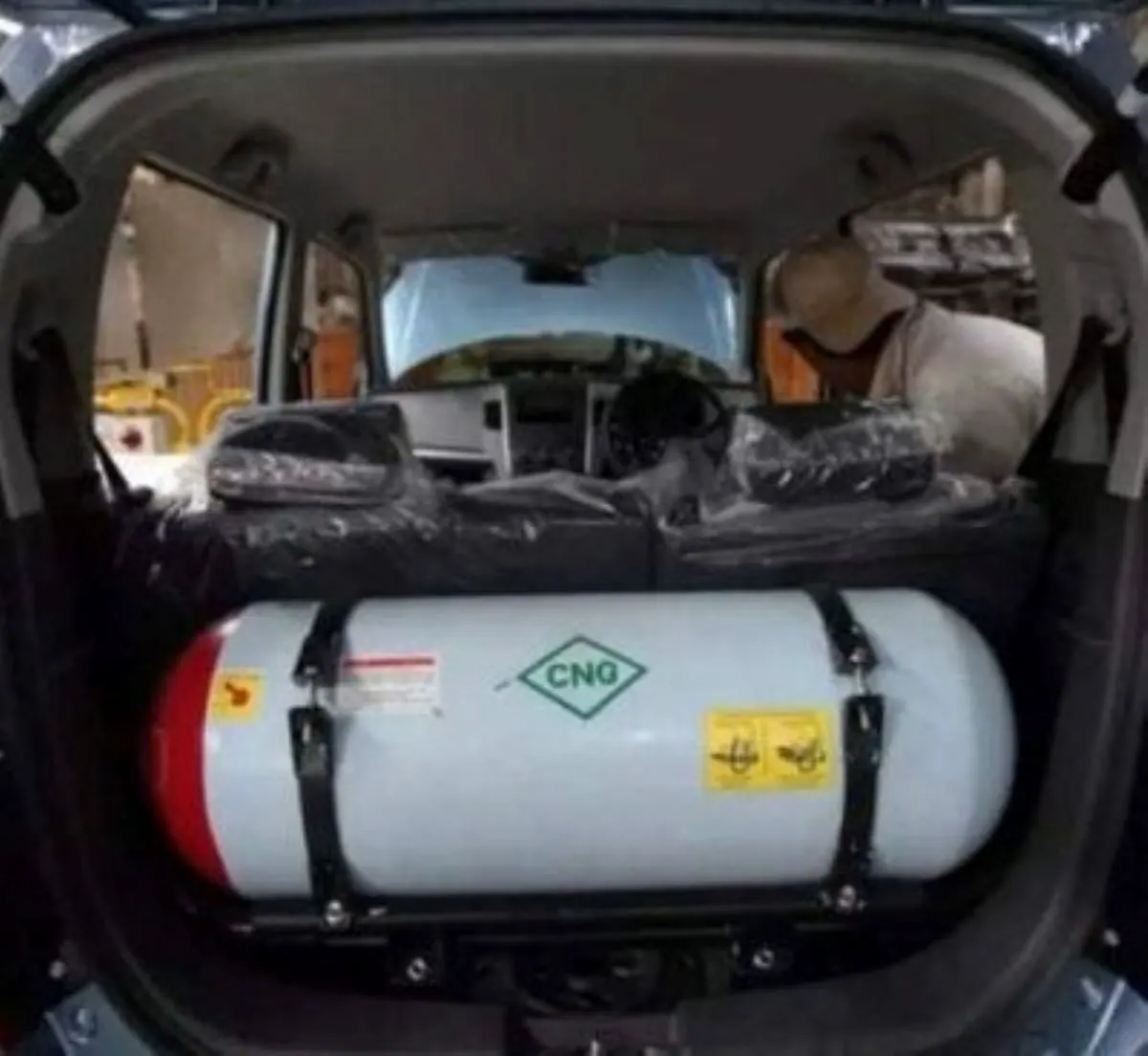
A standard steel CNG tank carries immense physical weight and holds gas stored under intense pressure reaching up to 200 bar. If an installer anchors the cylinder using cheap scrap metal, weak straps, or simple self-tapping screws driven into sheet metal, the setup is dangerously compromised. According to technical advisories from the Presidential CNG Initiative (PCNGi), cylinders must be secured using certified heavy-duty steel cradle brackets bolted directly through structural reinforcements on the vehicle chassis.
Legitimate CNG conversion kits rely on an automatic solenoid shut-off valve paired with a certified manual emergency cock. This system instantly cuts off fuel flow directly at the neck of the cylinder whenever the engine stops or the car experiences an impact. Quack technicians frequently bypass this step by using obsolete, substandard valves or wiring the electrical system directly to basic ignition lines without inline fuse protection.
Perhaps the most lethal mistake in cheap conversions is the installation of fake, repurposed, or welded gas tanks. Standard domestic cooking gas (LPG) bottles operate at low pressure, while CNG demands specialised, seamless thick-walled cylinders forged without a single weld. Safety bulletins from the Standards Organisation of Nigeria (SON) warn that installing uncertified or refurbished scrap cylinders is a primary cause of violent vehicular explosions.
If your car exhibits any of these dangerous indicators, stop driving the vehicle on gas immediately. First, locate the manual brass valve directly on the cylinder neck in your boot and turn it clockwise until it is completely shut. Next, switch your fuel selector switch inside the cabin back to standard petrol mode so your engine does not pull from the gas line. Finally, drive exclusively on petrol to an accredited, SON-certified conversion center to have the entire line, bracket set, and cylinder audited by licensed professionals.
You can verify authentic certification and approved workshop standards directly through the Standards Organisation of Nigeria (SON). Every certified CNG tank carries deep, indelible factory stampings displaying its serial number, test pressure ratings, ISO standards, and future re-test expiry dates right on the shoulder of the steel. By being aware of these red flags, motorists can ensure their safety and the safety of others on the road.
Key points
- A proper CNG installation is crucial to ensure safety on the road.
- Substandard CNG conversions can be catastrophic and pose a significant threat to life and vehicle.
- Motorists can verify authentic certification and approved workshop standards through the Standards Organisation of Nigeria (SON).