The Democratic Republic of Congo is facing a severe food insecurity crisis, with approximately 28.8 million people affected, according to the latest results of the Integrated Food Security Classification (IPC) framework. This framework, presented on Thursday, November 12, 2026, in Kinshasa, provides an overview of the food situation from September to December 2026 and projects trends for the first half of 2027. The analysis was conducted with the participation of the Congolese government, the World Food Programme (WFP), MONUSCO, and members of the Food Security Working Group.
The IPC framework is a partnership between several humanitarian organizations, UN agencies, NGOs, and governments. The latest results reveal the extent of the needs and highlight the challenges to be addressed in the coming months. For the Congolese government, these results constitute a tool for orienting policies and interventions in favor of affected populations. The government is committed to strengthening its response to the crisis and promoting sustainable solutions to prevent its aggravation.
According to Alain Boyowa, coordinator of the food security program at the Ministry of Agriculture and Food Security, the government is focusing on improving infrastructure and supporting the livelihoods of populations. In some areas, the lack of accessibility is a significant factor contributing to food insecurity. The government is working to address these challenges and reduce the vulnerability of populations to food insecurity.
The interim humanitarian coordinator emphasized the need to strengthen humanitarian mobilization and efforts to address this crisis. The IPC analysis can help better target and coordinate interventions by articulating responses to immediate needs, with efforts to recover, strengthen resilience, and find sustainable solutions to displacement. The coordinator stressed that a concerted effort is necessary to mitigate the effects of food insecurity.
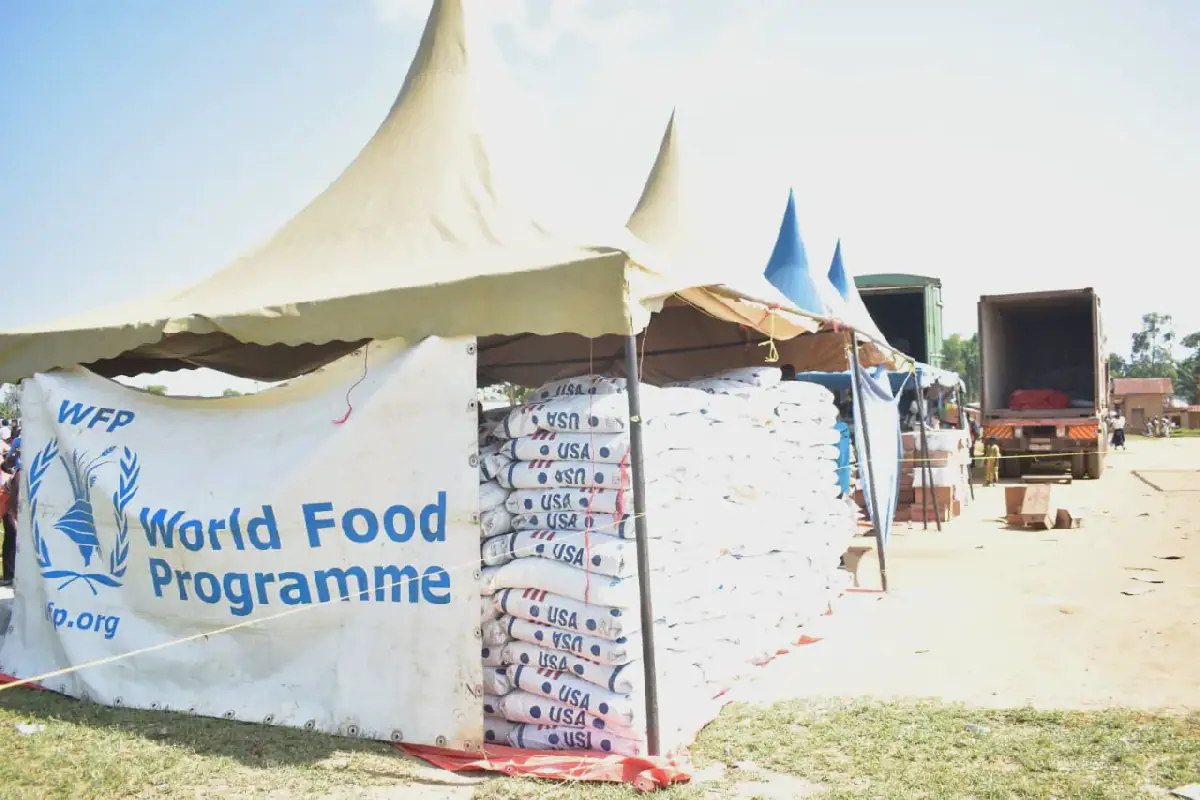
The crisis is affecting various regions of the country, with some areas experiencing emergency situations. The WFP and other humanitarian actors are working to provide assistance to affected populations. However, the persistence of insecurity and lack of access to certain areas are hampering the delivery of aid. The humanitarian community is calling for increased support to address the crisis.
The IPC results also highlight the need for a comprehensive approach to address the root causes of food insecurity. This includes investing in agriculture, improving infrastructure, and supporting the livelihoods of populations. The government and humanitarian actors are working together to develop and implement sustainable solutions to prevent the aggravation of the crisis.
The situation in the DRC remains precarious, with millions of people struggling to access food. The government and humanitarian actors are working together to address the crisis, but more support is needed to mitigate its effects. The IPC results provide a critical tool for orienting policies and interventions in favor of affected populations.
Key points
- 28.8 million people in DRC face acute food insecurity.
- 3.6 million people are in an emergency situation.
- Government and humanitarian actors are working together to address the crisis and promote sustainable solutions.